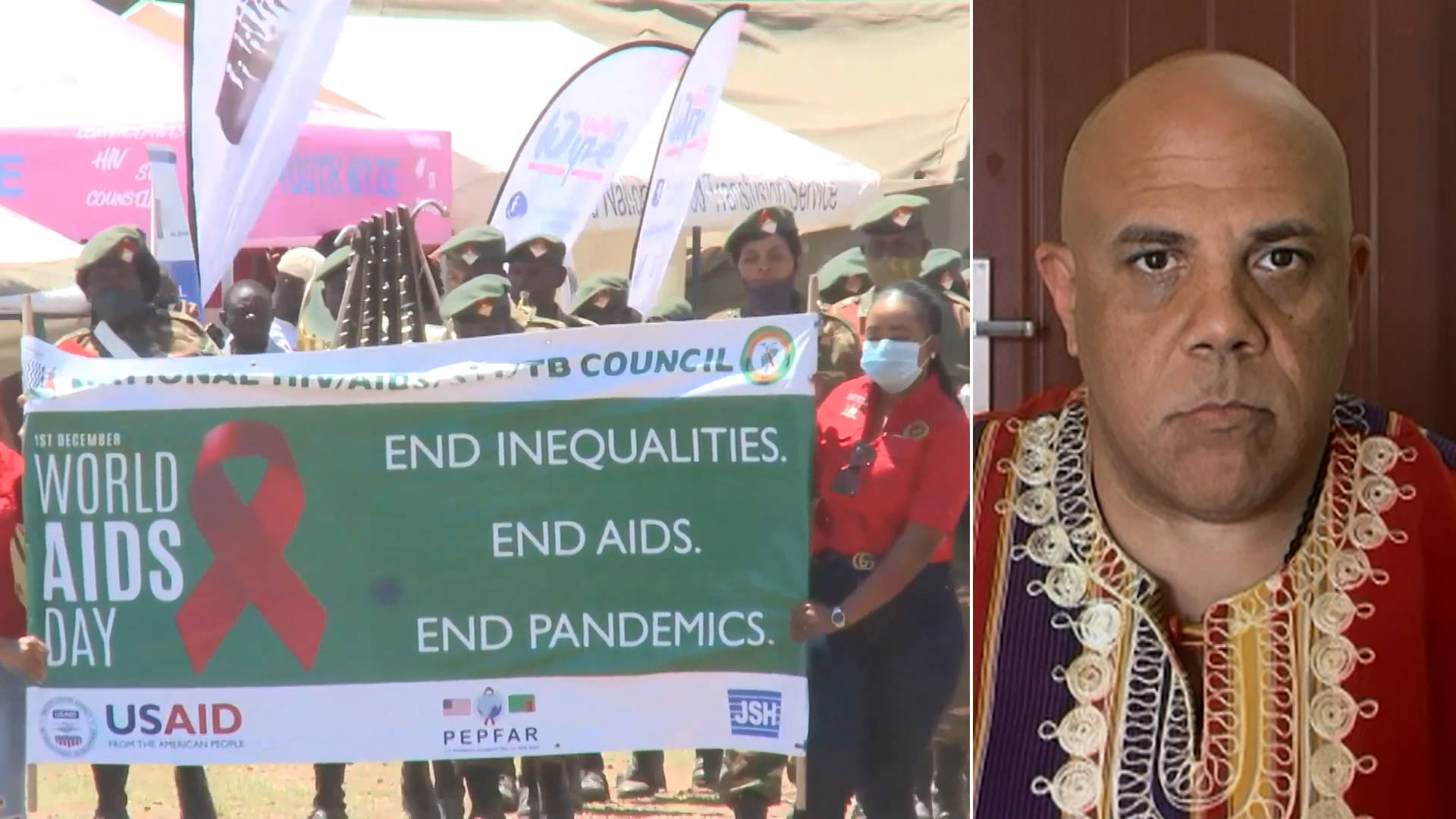
From Global Outreach too domestic Concerns: A Look at HIV Prevention, Research Funding, and Northwestern University’s controversial Settlement
The fight against HIV/AIDS remains a critical global health challenge, demanding sustained effort and strategic resource allocation. Recent outreach efforts demonstrate both progress and persistent inequalities. Simultaneously, a significant controversy has erupted at northwestern University, raising questions about research funding, ethical commitments, and the prioritization of values.This article explores both these facets, connecting the dots between international public health work and domestic university policy.
Reaching Vulnerable Populations: HIV Testing and Resource Distribution
Recently, a team conducted outreach providing essential resources to 200 individuals. This initiative included vital HIV and STI testing. The results were a stark reminder of the ongoing need for accessible healthcare.
* 86 individuals were tested for HIV and other sexually transmitted infections.
* Three positive HIV cases were identified, highlighting the importance of testing.
* Six inconclusive results required follow-up care.
* 77 individuals tested negative, demonstrating the reach of preventative efforts.
For Steven Thrasher, a Northwestern University professor involved in the outreach, the experience underscored the potential for impactful intervention. He emphasized the success of reaching so many peopel at once, particularly in areas where access to healthcare is limited. However, this success is juxtaposed with concerns about resource allocation closer to home.
northwestern University’s $75 Million Settlement: A “Travesty” and a Broken Agreement
Northwestern university recently agreed to pay $75 million to the federal government to settle allegations of antisemitism. This settlement also requires the university to reverse policies implemented under the “Deering Meadow Agreement.” The agreement, and its subsequent reversal, has sparked significant controversy.
The settlement aims to restore over $700 million in federal funding to the university. However, Thrasher describes the situation as a “real travesty,” arguing that Northwestern abandoned a good-faith agreement built on solid principles. He points to the timing – a Thanksgiving weekend announcement – as indicative of a pattern of broken agreements by the U.S.government.
The Interconnectedness of Global Health and Domestic Priorities
thrasher argues that these two seemingly disparate events – international HIV outreach and the Northwestern settlement – are deeply connected. He contends that resources could be better directed towards addressing public health crises like HIV, both domestically and globally.
Universities like Northwestern, and U.S. pharmaceutical companies, benefit financially from research dependent on global health initiatives. yet,Northwestern is diverting tens of millions of dollars to settle legal disputes,perhaps at the expense of vital programs.
Specifically, Thrasher notes that funding for the LGBTQ chair he holds has been effectively wasted, as he has been unable to teach for two years. This highlights a troubling disconnect between stated values and actual resource allocation.
A Broader Ethical Concern: Exploitation and Resource Mismanagement
Thrasher raises a critical ethical concern: the reliance on vulnerable populations – frequently enough LGBTQ+ people of color – for research and testing, while simultaneously failing to support their well-being. He argues that these individuals are often providing invaluable contributions to U.S. universities and the government,sometimes through volunteering their bodies for medical research.
Simultaneously occurring, institutions like Northwestern are prioritizing financial settlements over commitments to equity and social justice. He frames the settlement as “throwing away tens of millions of dollars to a fascist regime,” emphasizing the ethical implications of prioritizing legal maneuvering over public health and human rights.
Looking Ahead: Prioritizing Equity and Sustainable Funding
The situation at Northwestern University and the ongoing global fight against HIV/AIDS underscore the need for a more holistic and ethical approach to resource allocation. Prioritizing equity, supporting research, and honoring commitments to vulnerable populations are essential.
* Increased Investment in public Health: Advocating for increased funding for HIV prevention, testing, and treatment programs globally.
* Ethical Research Practices: Ensuring that research participants are treated with respect and dignity, and that their contributions are valued.
* accountability for Institutions: Holding universities and other institutions accountable for upholding their stated values and commitments.
* Transparency in Funding: Promoting transparency in how research funding is allocated and used.
Ultimately, addressing these challenges requires a essential shift in priorities, recognizing that investing in public health and social justice is not only ethically imperative but also essential for a healthier and more equitable future.
Further Reading:
*[[[[
Keep reading