
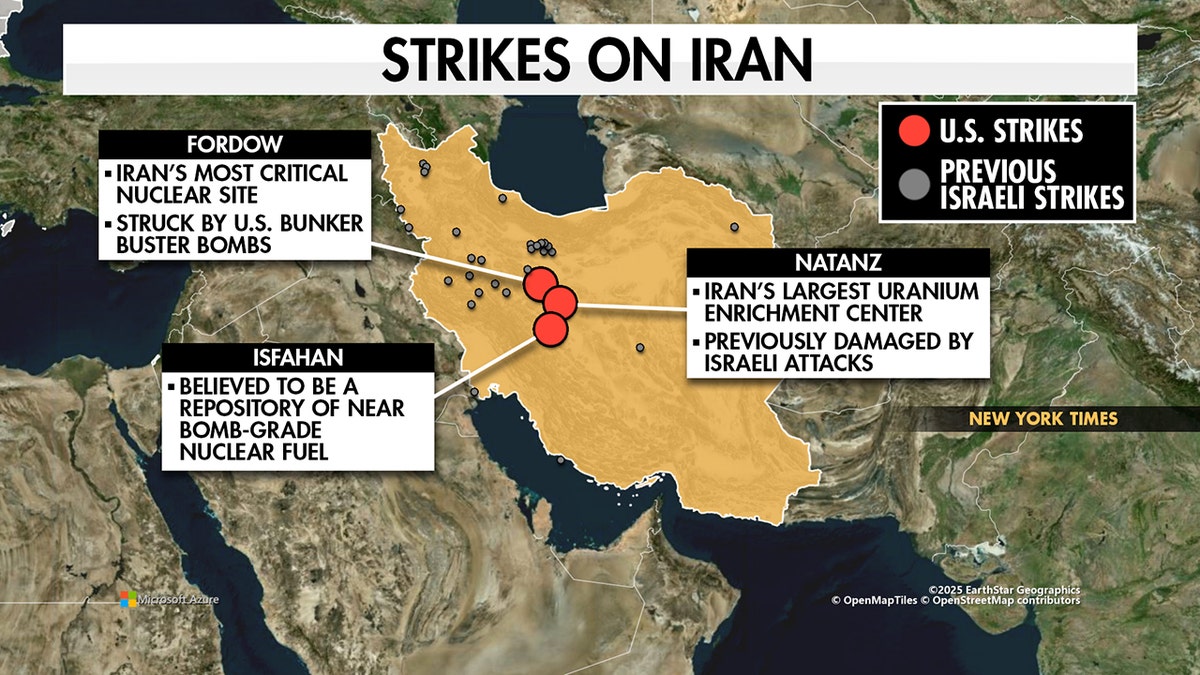
As the international community monitors the ongoing volatility in the Middle East, questions regarding the potential for further escalation remain a focal point of global diplomatic and military discourse. Following the events of early 2026, which saw direct military engagements involving the United States and Israel against targets in Iran, observers are closely analyzing the strategic landscape to understand what a potential return to active conflict might entail.
The current state of confrontation between the United States and Iran has been marked by a cycle of strikes and retaliatory measures. According to records from the Council on Foreign Relations, the situation intensified significantly on February 28, 2026, when U.S. And Israeli forces launched coordinated strikes against military assets and leadership within Iran. These actions followed a period of sustained military buildup and regional tension.
The Strategic Landscape Following February 2026
The strikes in late February 2026 resulted in significant regional consequences, including the death of Supreme Leader Ayatollah Ali Khamenei. In the immediate aftermath, Iran’s Assembly of Experts moved to appoint his son, Mojtaba Khamenei, as his successor. This transition of power occurred against a backdrop of ongoing hostilities, with Iranian forces targeting U.S. Military facilities in the region, as well as energy and civilian infrastructure in neighboring Gulf states.
The regional conflict has extended beyond direct U.S.-Iran engagements. Israel has maintained a military offensive in southern Lebanon following rocket fire from Hezbollah, while Iran-backed Houthi forces in Yemen have utilized ballistic missiles to target Israeli territory. The humanitarian impact of these broader hostilities is significant, with reports indicating that more than 1,500 civilians have been killed since the escalation began, a figure that includes at least 175 deaths attributed to reported U.S. Actions, according to testimony provided by Iran’s ambassador to the United Nations.
Assessing Future Military and Strategic Objectives
In the context of the current administration’s foreign policy, analysts are evaluating what future military objectives might look like if the administration chooses to intensify its posture. Historically, such strategic assessments focus on key areas of Iranian infrastructure and military capability. However, the complexity of the current conflict—involving multiple state and non-state actors—means that any future actions would likely be weighed against the risks of wider regional destabilization.

The U.S. Approach to the region remains a subject of intense domestic and international scrutiny. As the administration balances these foreign policy challenges, it is also navigating significant internal pressures. Recent developments in Washington, such as the creation of a $1.8 billion fund intended to support allies claiming to be victims of government weaponization, have drawn criticism and legal challenges, illustrating the multi-front nature of current political and diplomatic operations, as reported by the Associated Press.
Humanitarian and Economic Impact
The economic and humanitarian toll of the ongoing confrontation is difficult to overstate. Energy infrastructure in the Gulf has been a repeated target, affecting global supply chains and regional stability. The persistent use of ballistic missiles and aerial strikes has created a precarious environment for civilians across the Middle East. International monitoring groups continue to track these developments, noting that the combination of direct military strikes and the involvement of proxy groups has created a multifaceted theater of war that defies simple de-escalation.
For those following the situation, official updates from the United Nations and relevant national defense departments remain the most reliable sources for information regarding casualty figures, diplomatic initiatives, and humanitarian aid efforts. The fluidity of the situation means that conditions on the ground can change rapidly, and the international community remains largely focused on the potential for a ceasefire or a shift toward renewed diplomatic engagement.
Key Takeaways
- Leadership Transition: Following the death of Ayatollah Ali Khamenei on February 28, 2026, Mojtaba Khamenei was appointed as his successor by the Assembly of Experts.
- Regional Scope: The conflict involves direct engagement between the U.S., Israel, and Iran, alongside active hostilities in southern Lebanon and Yemen.
- Humanitarian Toll: Reported civilian casualties have surpassed 1,500, with ongoing concerns regarding the safety of infrastructure in the Gulf region.
- Diplomatic Status: As of May 2026, the situation remains a high-priority issue for international observers, with no clear timeline for a resolution to the hostilities.
As we move toward the summer of 2026, the global community awaits further clarity on U.S. And Israeli strategic intentions. The next critical checkpoint for this situation will likely be the upcoming session of the UN Security Council, where members are expected to discuss the humanitarian crisis and potential paths toward a de-escalation of the regional conflict. We invite our readers to share their perspectives on these complex geopolitical developments in the comments section below.
