
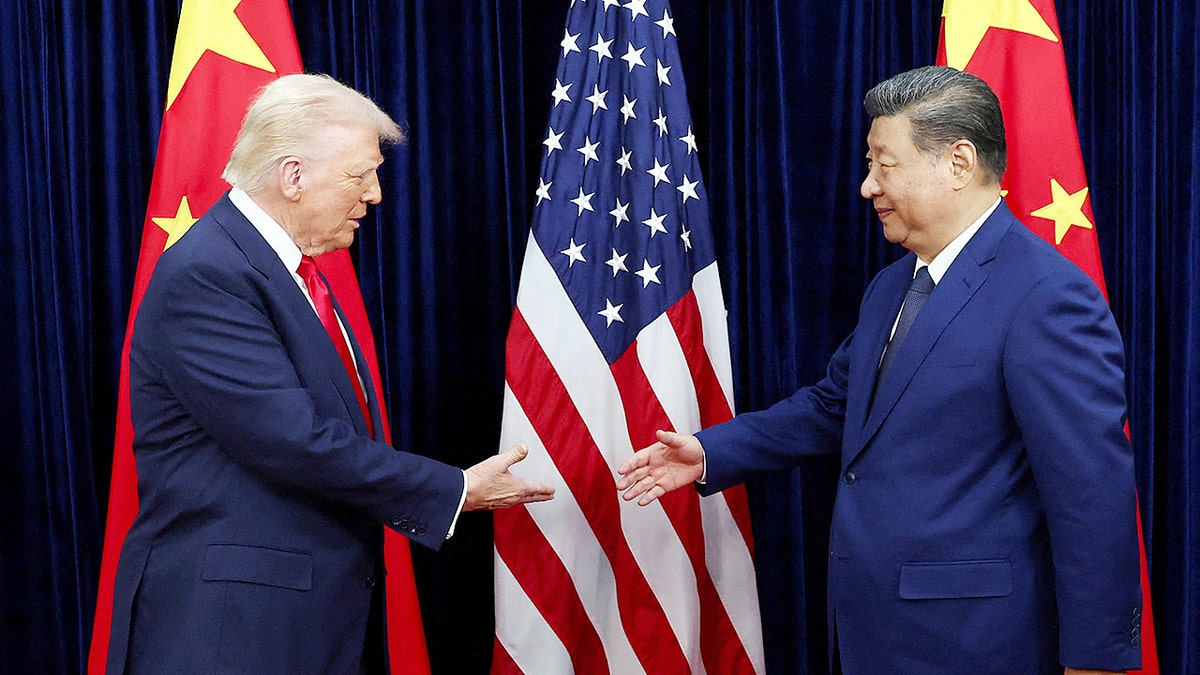
In a high-stakes diplomatic encounter, Chinese President Xi Jinping has called for the United States and China to operate as partners rather than rivals, signaling a desire to reduce friction between the world’s two largest economies.
The statement comes as President Donald Trump and President Xi seek to stabilize a fragile trade agreement and establish a shared framework for cooperation. The discussions center on the necessity of superpower collaboration to prevent economic volatility and manage escalating geopolitical tensions.
The push for a partnership arrives at a critical juncture, as both nations navigate a complex landscape of economic interdependence and strategic competition. By framing the relationship as a partnership, the leadership in Beijing is suggesting a shift toward a more predictable and less adversarial engagement.
Stabilizing the Global Trade Framework
A primary focus of the dialogue is the stabilization of the existing trade agreement. Both leaders stressed the need for cooperation to ensure that trade relations do not succumb to further instability, which could have cascading effects on global markets.
The effort to solidify this agreement is seen as a priority for both administrations, as they attempt to balance national interests with the practical realities of their economic ties. The goal is to move toward a sustainable equilibrium that avoids the disruptive cycles of tariffs and trade disputes that have characterized recent years.
Addressing the Iran Conflict
Beyond economics, the two leaders are seeking common ground regarding the ongoing uncertainty surrounding the Iran conflict. The potential for miscalculation in the region has prompted a renewed effort by the U.S. And China to coordinate their approaches.
Finding a shared diplomatic path on Iran is viewed as essential for maintaining regional stability. The discussions indicate that despite their differences in other arenas, both superpowers recognize that a coordinated response is more effective than fragmented or opposing strategies in managing the conflict.
This willingness to collaborate on security issues suggests that both nations are prioritizing the prevention of a wider regional escalation over immediate strategic gains.
The Path Forward for Superpower Relations
The assertion that the U.S. And China should be partners, not rivals, represents a strategic framing intended to lower the temperature of the bilateral relationship. While structural competitions remain, the emphasis on cooperation highlights a pragmatic recognition that neither power can unilaterally manage global crises.
The outcome of these efforts will likely depend on the ability of both administrations to translate this rhetoric into concrete policy adjustments. Stakeholders in global trade and international security are closely monitoring whether this call for partnership will lead to a long-term reduction in tensions.
Official updates regarding the specific terms of the stabilized trade agreement and any joint communiqués on the Iran conflict are expected as diplomatic channels remain open.
We will continue to track the developments of this summit and the resulting policy shifts. We invite our readers to share their perspectives on the prospects of U.S.-China cooperation in the comments below.