
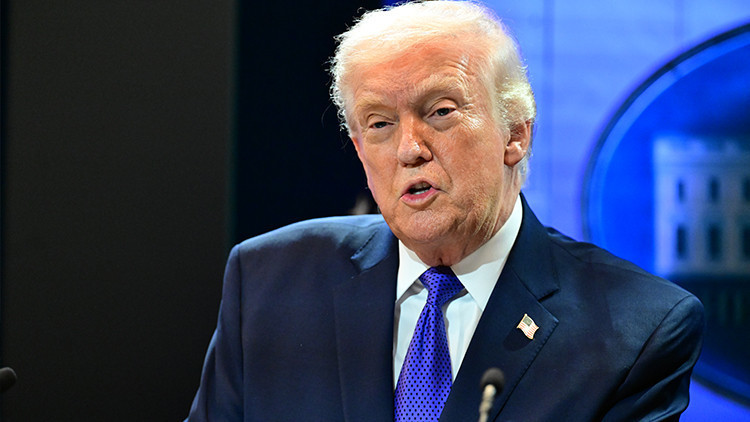
The geopolitical landscape of global trade has shifted dramatically as U.S. President Donald Trump continues to leverage aggressive customs duties to reshape industrial production. In a move that has sent shockwaves through the European automotive sector, the U.S. Administration has targeted European-made vehicles and trucks with a steep 25% tariff
, signaling a renewed era of trade confrontation between Washington and Brussels.
This escalation is not an isolated event but part of a broader strategy termed Trade War 2.0
, designed to reduce American reliance on foreign imports and force manufacturing back onto U.S. Soil. The targeted tariffs on automobiles and light trucks, along with specific auto parts, place immense pressure on some of Europe’s most vital industrial exporters, particularly Germany, whose economy is heavily reliant on automotive exports to the North American market.
The current tension is rooted in a series of executive actions initiated in early 2025. On March 26, 2025, President Trump issued an Executive Order announcing a 25% tariff on all passenger vehicles and light trucks imported into the United States, as well as similar levies on critical components such as engines, transmissions, and powertrain parts.
Although the administration has occasionally offered limited relief or “exemptions” for domestic automakers to incentivize the transition of production to the U.S., the core of the policy remains a high barrier to entry for European manufacturers. This strategic employ of the International Emergency Economic Powers Act (IEEPA) has allowed the White House to bypass traditional legislative hurdles to implement these tariffs rapidly.
The Economic Impact on the European Union
The European Union has viewed these measures as a direct assault on its economic stability. The automotive industry is a cornerstone of the EU’s GDP, and a 25% increase in costs makes European luxury and commercial vehicles significantly less competitive in the U.S. Market. Industry analysts warn that such tariffs could lead to reduced sales volumes, potential layoffs in European factories, and a general cooling of transatlantic investment.
In response, the European Commission has developed a dual-track strategy: engaging in high-stakes negotiations with Washington while simultaneously preparing a massive counterstrike. The EU has proposed potential retaliatory tariffs on nearly €100 billion of U.S. Imports. This “hit list” includes not only American-made cars but too aircraft, medical devices, chemicals, and high-value agricultural products like bourbon and spirits.
The strategy is designed to create domestic political pressure within the United States by targeting industries in key electoral states, hoping to force the Trump administration back to the negotiating table. Yet, this “tit-for-tat” cycle risks escalating into a broader trade war that could disrupt global supply chains and increase costs for consumers on both sides of the Atlantic.
Who is Affected and How?
The ripple effects of these tariffs extend beyond the boardroom of major car manufacturers. The impact is felt across several layers of the global economy:

- European Manufacturers: Companies like Volkswagen, BMW, and Mercedes-Benz face higher costs for shipping vehicles to the U.S., potentially forcing them to raise prices or absorb the losses.
- U.S. Consumers: American buyers of imported European cars are likely to see price hikes as manufacturers pass the 25% tariff cost down to the consumer.
- Supply Chain Providers: Minor and medium-sized enterprises (SMEs) that provide specialized parts for European cars may see a drop in demand as overall export volumes decline.
- U.S. Agricultural Exports: Farmers exporting specialty goods to the EU are at high risk if the European Commission activates its retaliatory tariff lists.
Understanding the ‘National Security’ Justification
The legal foundation for these tariffs often rests on the claim of “national security.” By invoking Section 232 of the Trade Expansion Act of 1962 or the IEEPA, the U.S. Government argues that over-reliance on foreign automotive production constitutes a vulnerability. This interpretation allows the president to implement tariffs that would otherwise violate World Trade Organization (WTO) rules regarding “most-favored-nation” treatment.
Critics argue that this is a misuse of security terminology to achieve economic protectionism. The WTO has historically struggled to curb such unilateral actions, as the U.S. Often challenges the authority of the WTO’s appellate body. For the EU, this represents a breakdown of the rules-based international trading system that has governed global commerce since the end of World War II.
The White House, however, maintains that the goal is not to destroy trade but to “rebalance” it. The administration’s view is that the trade deficit with the EU—particularly in the automotive sector—is an indicator of unfair trade practices and that high tariffs are the only tool effective enough to force a change in behavior.
What Happens Next: The Path to Resolution
As of May 2026, the situation remains volatile. The European Commission continues to present lists of potential concessions to the U.S. Administration, attempting to find a “middle ground” that might involve increased U.S. Exports of liquefied natural gas (LNG) or agricultural products in exchange for a reduction in auto tariffs.
However, the Trump administration has shown a preference for “maximum pressure” tactics. The effectiveness of the EU’s threatened €100 billion counterstrike remains to be seen, as the U.S. May view such retaliation as a justification for further tariff increases on other sectors, such as digital services or luxury goods.
| Date | Action | Key Detail |
|---|---|---|
| March 26, 2025 | Executive Order Issued | Announcement of 25% tariffs on cars and light trucks. |
| April 2, 2025 | Federal Register Filing | Formalization of steep tariffs on nearly all imported goods. |
| April 29, 2025 | Proclamation 10925 | Amendments to adjust imports of autos and parts. |
| January 2026 | Arctic/Greenland Tension | Trade disputes merge with strategic Arctic interests. |
| April 20, 2026 | CBP Refund Process | Opening of the first phase of IEEPA tariff refunds. |
The next critical checkpoint will be the ongoing review of the IEEPA tariff refund process and subsequent reports from the U.S. Customs and Border Protection (CBP) regarding the actual volume of trade affected. These figures will likely dictate whether the U.S. Maintains the 25% rate or considers further adjustments as part of a negotiated deal with the EU.
Do you believe these tariffs will successfully bring manufacturing back to the U.S., or will they simply increase costs for consumers? Share your thoughts in the comments below and share this report with your network.