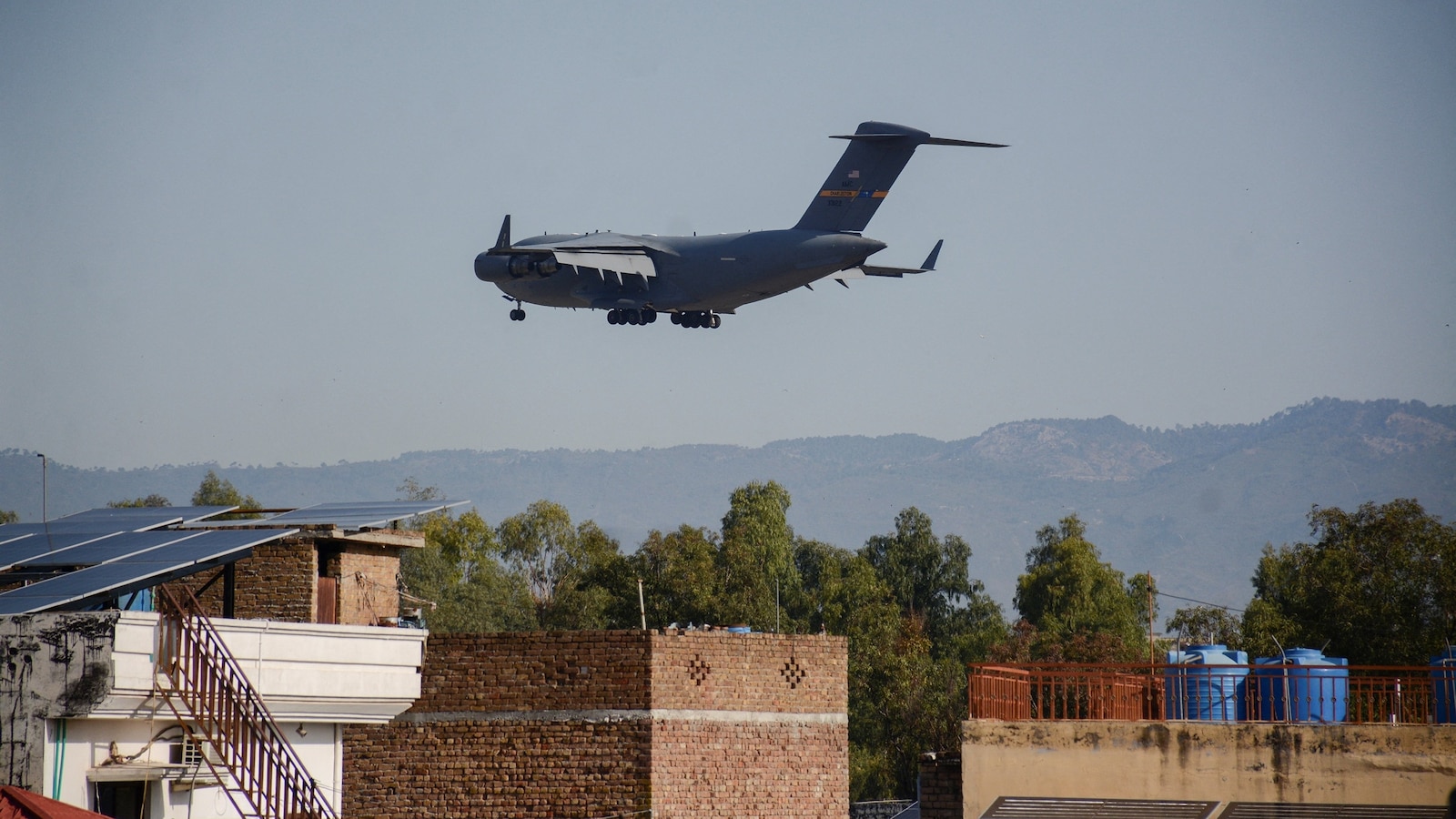
The geopolitical landscape of the Middle East remains precariously balanced as Vice President JD Vance heads to Islamabad for Iran talks, marking a critical diplomatic effort to stabilize a region recently shaken by “major combat operations.” This mission comes amidst a fragile, two-week ceasefire agreed upon by the United States, Israel, and Iran, a deal intended to halt a conflict that has severely disrupted global energy markets.
The current diplomatic push follows a period of intense escalation that began on Feb. 28, when President Donald Trump announced joint U.S.-Israeli strikes targeting Iranian military and government sites. The situation reached a tipping point when the U.S. Administration set a strict deadline for Iran to fully reopen the Strait of Hormuz, threatening broad strikes on critical infrastructure if the maritime artery remained obstructed according to ABC News.
Just before the expiration of that deadline, a tentative agreement was reached to suspend planned bombings for two weeks, provided that Iran ensured the reopening of the Strait of Hormuz. Iranian Foreign Minister Abbas Araghchi stated that safe passage through the strait would be possible through coordination with Iran’s Armed Forces, though he noted this would be subject to technical limitations.
Despite the optimism surrounding the ceasefire, the agreement is under significant strain. Whereas the U.S. And Iran have reached a temporary pause, Israeli Prime Minister Benjamin Netanyahu has clarified that the agreement does not cover Lebanon, where intense Israeli strikes have continued despite Iranian protests as reported by ABC News.
The Islamabad Mission: Vance’s Diplomatic Objectives
Vice President JD Vance’s journey to Islamabad, Pakistan, is designed to transition the current temporary ceasefire into a more sustainable arrangement. Speaking to reporters before boarding Air Force Two, Vance expressed optimism regarding the upcoming negotiations, stating, “We’re looking forward to the negotiation. I suppose it’s going to be positive.”
Though, this optimism is tempered by a stern warning delivered by the Vice President, signaling that the U.S. Maintains its readiness to resume military action should the terms of the ceasefire be violated. The talks in Islamabad are seen as a pivotal moment to determine if the two-week pause can serve as a bridge to a long-term resolution or if the region will slide back into full-scale conflict.
The stakes for these talks are heightened by the volatility of the global energy market. The conflict and the threats surrounding the Strait of Hormuz—a narrow waterway through which a significant portion of the world’s oil passes—have created instability in energy pricing and supply chains, making the success of the Islamabad talks a matter of global economic concern.
Fragile Truces and Regional Tensions
The ceasefire announced on Wednesday is described as “tentative” and “fragile.” While President Donald Trump has pulled back from previous threats to destroy Iranian “civilization,” the ground reality remains tense. Reports indicate that the ceasefire is already teetering on uncertain ground as the world watches for any sign of collapse via Politico.
Adding to the complexity, Kuwait has recently blamed Iran for drone strikes, further casting doubt on the stability of the ceasefire. Meanwhile, Ukrainian President Volodymyr Zelenskyy has reported that Ukrainian forces shot down Shahed drones in Middle Eastern countries during the course of the Iran war according to AP News.
Iran’s own stance on the ceasefire has been mixed. While the Foreign Minister coordinated the reopening of the Strait of Hormuz, other Iranian officials have rejected the ceasefire if it is viewed as a means to enable rearmament. Instead, Iran has proposed a 10-point plan to serve as the basis for future talks.
Timeline of Recent Escalations and Agreements
| Date | Event | Outcome/Detail |
|---|---|---|
| Feb. 28 | Major Combat Operations | Joint U.S.-Israeli strikes on military/government sites. |
| April 5 | Airstrikes in Tehran | Strikes hit a university in the Iranian capital. |
| April 8 | Ceasefire Agreement | Two-week pause agreed upon by US, Israel, and Iran. |
| April 10 | Diplomatic Mission | VP JD Vance travels to Islamabad for negotiations. |
Economic Implications and the Strait of Hormuz
From a business and economic perspective, the primary focus remains the Strait of Hormuz. The U.S. Administration’s insistence on the full reopening of this waterway is not merely a political demand but a strategic economic necessity. Any prolonged closure or restriction of the strait threatens to spike global oil prices and disrupt the flow of energy to Asia and Europe.
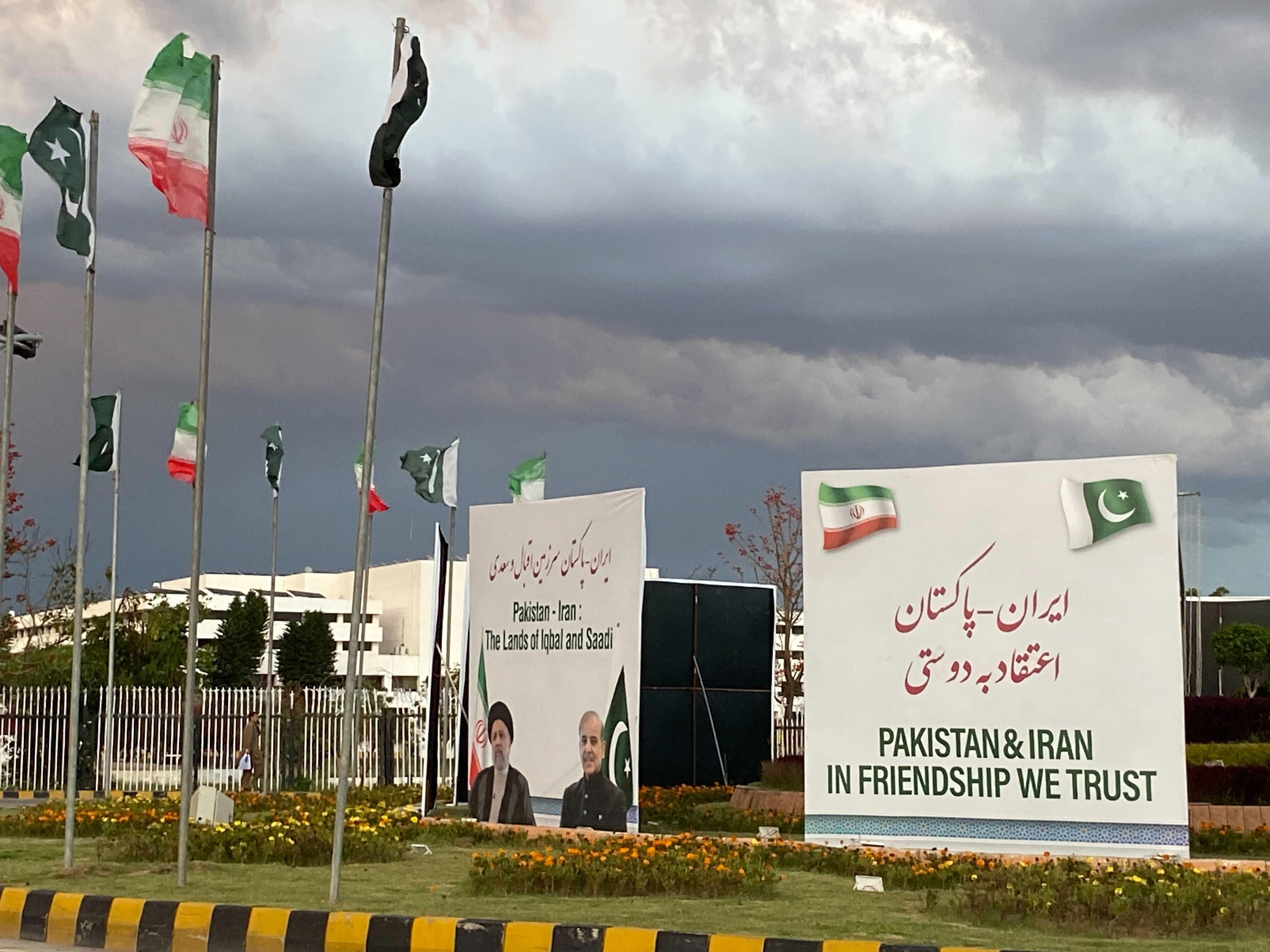
The coordination between the Iranian Armed Forces and international shipping, as mentioned by Minister Araghchi, is a critical point of contention. The “technical limitations” cited by Iran are viewed with skepticism by some Western analysts, who fear they could be used as a pretext for intermittent disruptions of maritime traffic.
The global energy market has already felt the impact of the war, with volatility increasing as the world reacted to the “major combat operations” announced in February. The ability of the U.S. To secure a permanent guarantee of safe passage is the central pillar of the current diplomatic strategy.
What Happens Next?
The immediate focus now shifts to the outcomes of the discussions in Islamabad. The international community is looking for a clear signal that the two-week ceasefire will be extended or replaced by a more comprehensive peace agreement. Key points of contention likely to arise in these talks include the status of Lebanon, the specific terms of the 10-point plan proposed by Iran, and the verification of the Strait of Hormuz’s openness.
The next confirmed checkpoint is the conclusion of Vice President Vance’s negotiations in Islamabad and the subsequent official updates regarding the status of the two-week ceasefire, which began on Wednesday, April 8.
We invite our readers to share their perspectives on the regional stability of the Middle East in the comments below.
- Why Gulf States Are Pushing for a Bigger Chinese Role: Growing Frustration Explained
- AMAG Profits Surge in First Half Despite US Tariffs
- Russian Missile Strikes Across Ukraine Kill 13 and Prompt Polish Jets (archyworldys.com)
- Russian Strikes Kill Dozens in Ukraine; Poland Scrambles Fighter Jets (world-today-news.com)