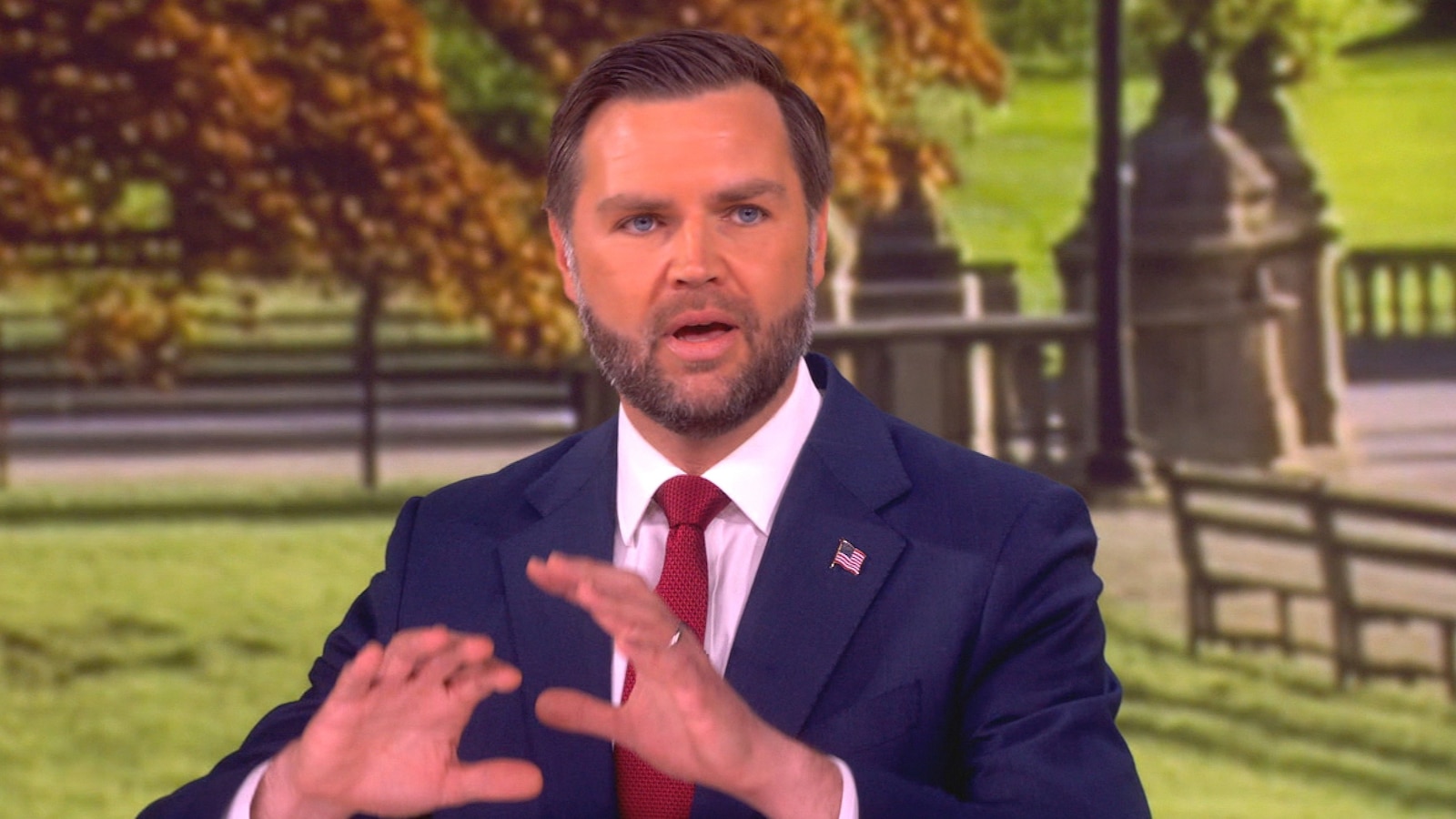
The United States is currently engaged in high-level diplomatic efforts to secure the public release of a Memorandum of Understanding (MOU) concerning ongoing tensions with Iran, according to statements made by Vice President-elect JD Vance. The push for transparency comes amid heightened scrutiny regarding recent military developments in the Middle East and the administration’s broader strategy for regional stability.
As the international community monitors the situation, the status of U.S.-led operations remains a focal point of legislative and public debate. While recent reports have circulated regarding military activity, the White House has emphasized that diplomatic channels remain the primary mechanism for managing the escalation. The call for the MOU’s release reflects a growing demand for oversight as officials work to define the parameters of current U.S. engagements in the region.
Diplomatic Efforts and the Push for Transparency
The request to declassify and release the text of the MOU is part of a broader push by incoming administration officials to clarify the legal and strategic framework governing current U.S. military posture. According to Department of State briefings, the administration is coordinating with international partners to ensure that any military actions comply with established international frameworks and existing security agreements. The focus remains on de-escalation, though the administration has maintained that all options remain on the table to protect U.S. personnel and regional interests.
The debate over the document’s release centers on the balance between operational security and the public’s right to understand the scope of U.S. involvement. Analysts suggest that the release of such an MOU could provide much-needed clarity on the duration and objectives of current operations. However, intelligence officials caution that premature disclosure of sensitive agreements could complicate ongoing negotiations with regional stakeholders, including key allies in the Middle East.
Assessing Recent Military Developments
Recent reports of combat operations have prompted a surge in inquiries regarding the extent of U.S. involvement in strikes against Iranian targets. The Department of Defense has clarified that any joint actions taken are defensive in nature and aimed at deterring further regional instability. This stance is consistent with the U.S. policy of maintaining a credible military deterrent while simultaneously pursuing diplomatic solutions to the nuclear and regional hegemony issues presented by the Iranian government.
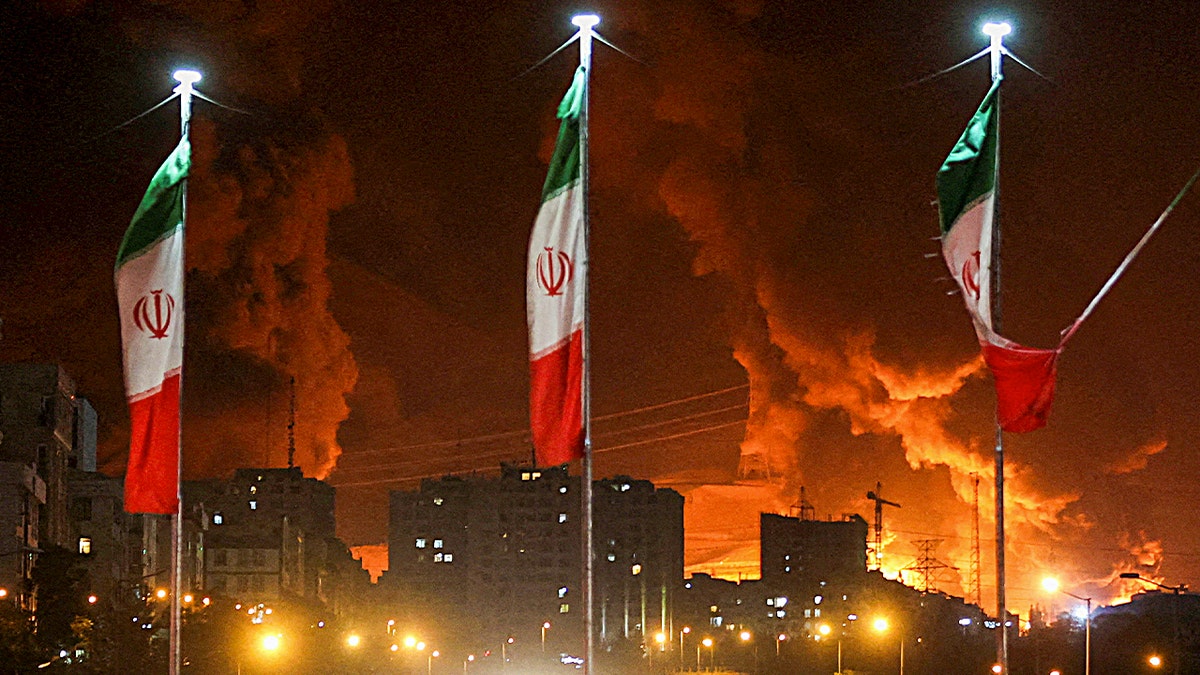
Observers have noted a distinct difference between the rhetoric of current military strategy and the public perception of the conflict. While some outlets have characterized recent events as a shift toward large-scale, open-ended combat, the official position from the Pentagon emphasizes targeted, proportional responses to specific provocations. This discrepancy highlights the importance of the requested MOU, which could potentially define the operational “red lines” that govern these exchanges.
Regional Impact and Global Stakeholder Responses
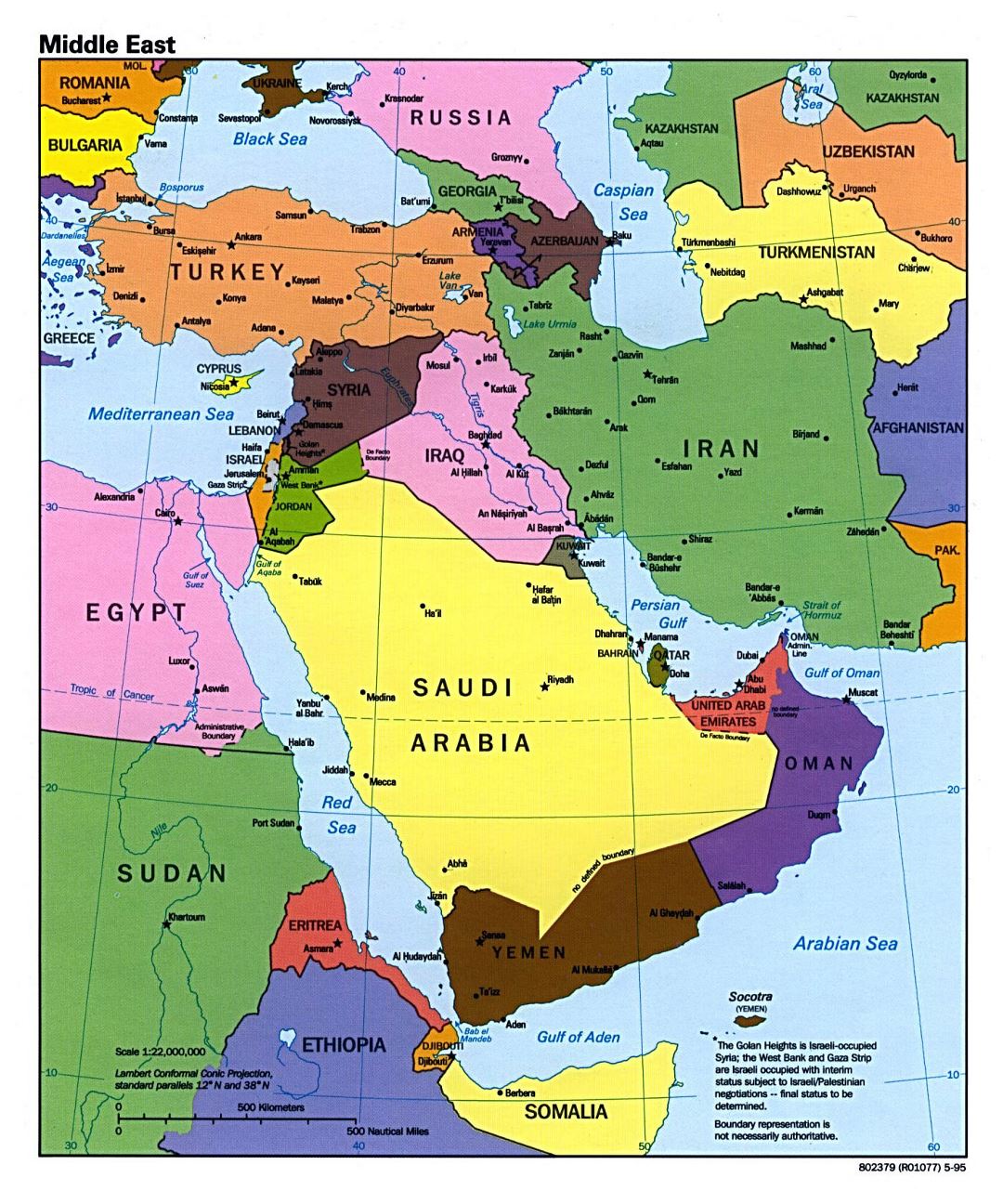
The volatility in the region has drawn reactions from global powers, with the United Nations calling for restraint from all involved parties. The impact of these developments is felt most acutely in global energy markets and regional trade routes, where uncertainty often leads to increased insurance premiums and supply chain disruptions. Stakeholders are watching for any sign that the U.S.-Iran tension might evolve into a broader, sustained conflict that could destabilize the wider Middle East.
Regional neighbors, including Saudi Arabia and the United Arab Emirates, have expressed concern over the potential for miscalculation. Diplomatic efforts are currently focused on preventing a wider regional conflagration, with many nations urging the U.S. to maintain a clear line of communication with Tehran. The transparency requested by the incoming administration is viewed by some analysts as a necessary step to reassure these partners that the U.S. remains committed to a stable, rules-based regional order.
What Happens Next: Oversight and Accountability
The path forward involves a series of scheduled oversight hearings in the U.S. Congress, where lawmakers are expected to question administration officials on the legality and necessity of recent operations. The push for the MOU’s release will likely feature prominently in these sessions, as members of the House Foreign Affairs Committee and the Senate Foreign Relations Committee seek to exercise their constitutional duty to oversee executive branch actions.
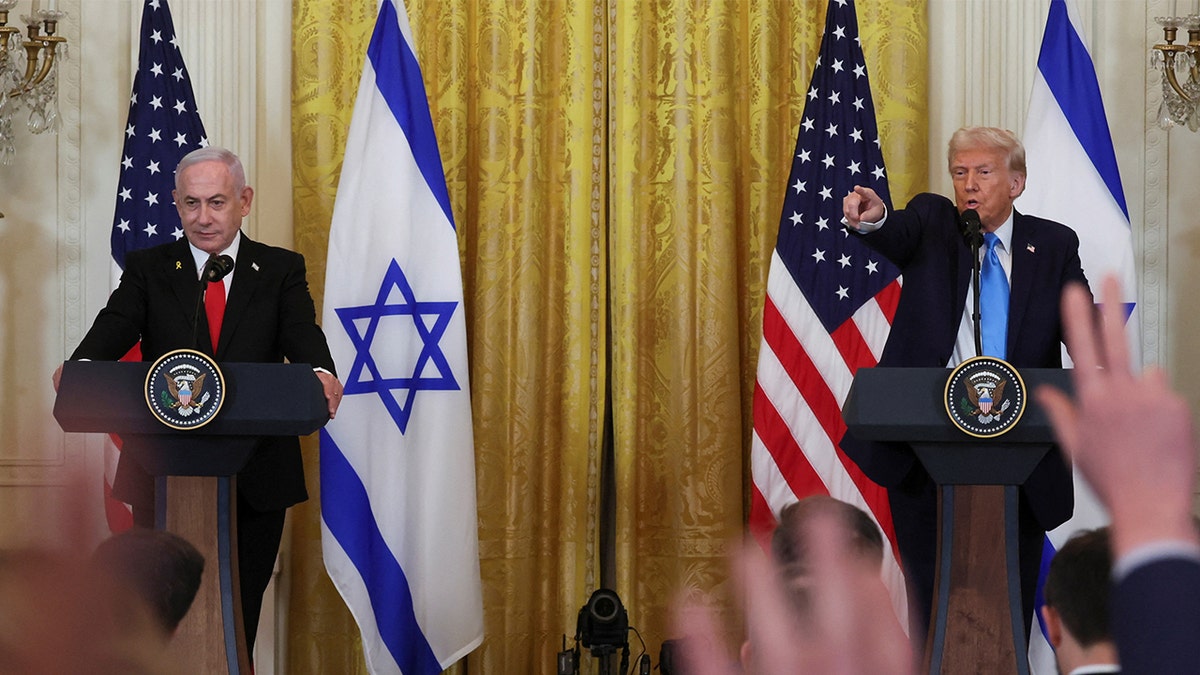
The next confirmed checkpoint for these developments will be the upcoming congressional briefings scheduled for early next month, where the administration is expected to provide further details on their regional strategy. As the situation evolves, the World Today Journal will continue to track official filings and statements from the White House and the Department of Defense. We encourage readers to share their thoughts and follow our live coverage for the latest updates as they are verified.
Related reading