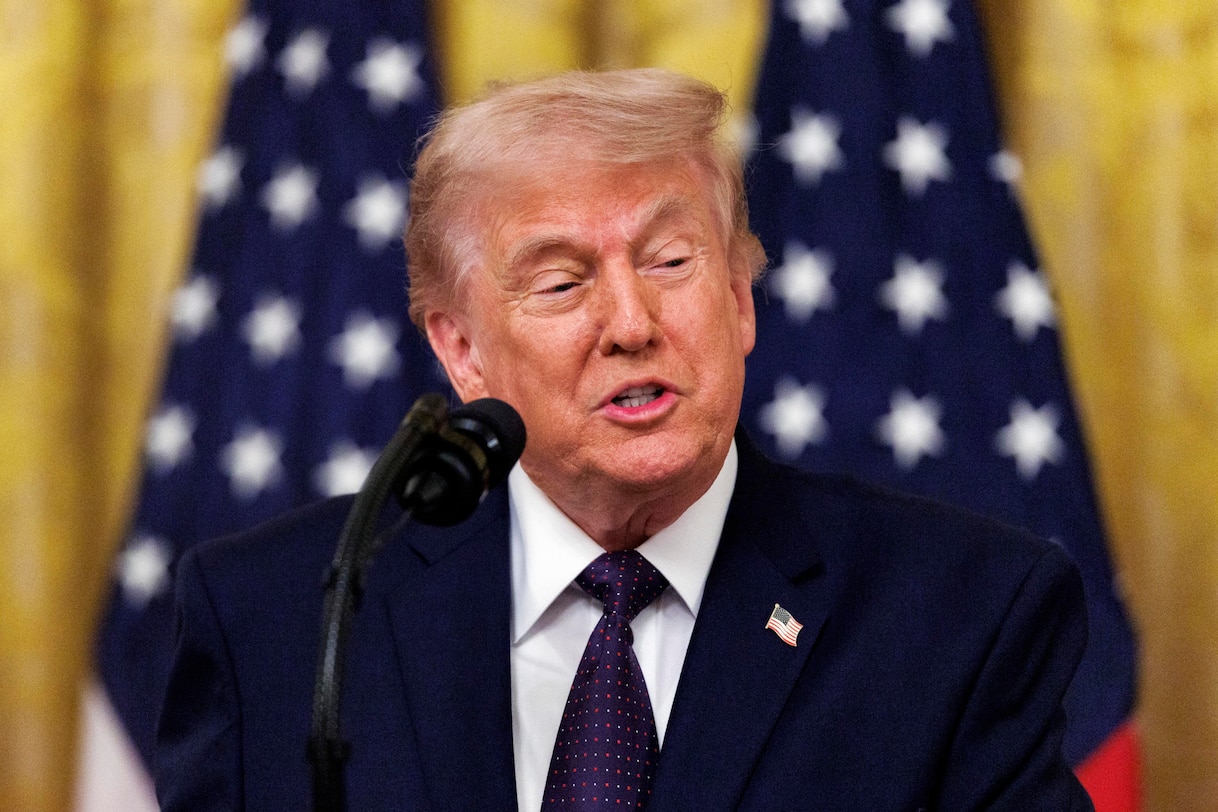
As the international community monitors a potential shift in Middle Eastern geopolitical dynamics, reports have emerged regarding a prospective diplomatic breakthrough between the United States and Iran. Following recent high-level consultations involving regional stakeholders, observers are closely watching for updates on a possible 60-day truce and the stabilization of maritime transit through the Strait of Hormuz. This potential de-escalation effort, which remains subject to ongoing verification, has become a focal point of global diplomatic discourse as nations assess the implications for regional security and energy markets.
The Strait of Hormuz, a critical maritime chokepoint for global oil supplies, has long been a theater of tension. Any formal agreement aimed at maintaining the flow of commerce through these waters would represent a significant development in the current geopolitical climate. While official channels have yet to confirm the finalized terms of a deal, the focus remains on the feasibility of a temporary cessation of hostilities and the broader implications for nuclear non-proliferation efforts, specifically regarding enrichment thresholds.
Geopolitical Implications of Maritime Security
The stability of the Strait of Hormuz is essential to global energy infrastructure. The U.S. Energy Information Administration (EIA) has consistently identified this passage as the world’s most significant oil transit chokepoint, through which a significant percentage of global petroleum consumption moves daily. Any disruption to traffic in this region historically triggers concerns regarding energy price volatility and supply chain security. For more information on the strategic importance of this waterway, the EIA provides comprehensive analysis on global oil transit chokepoints.
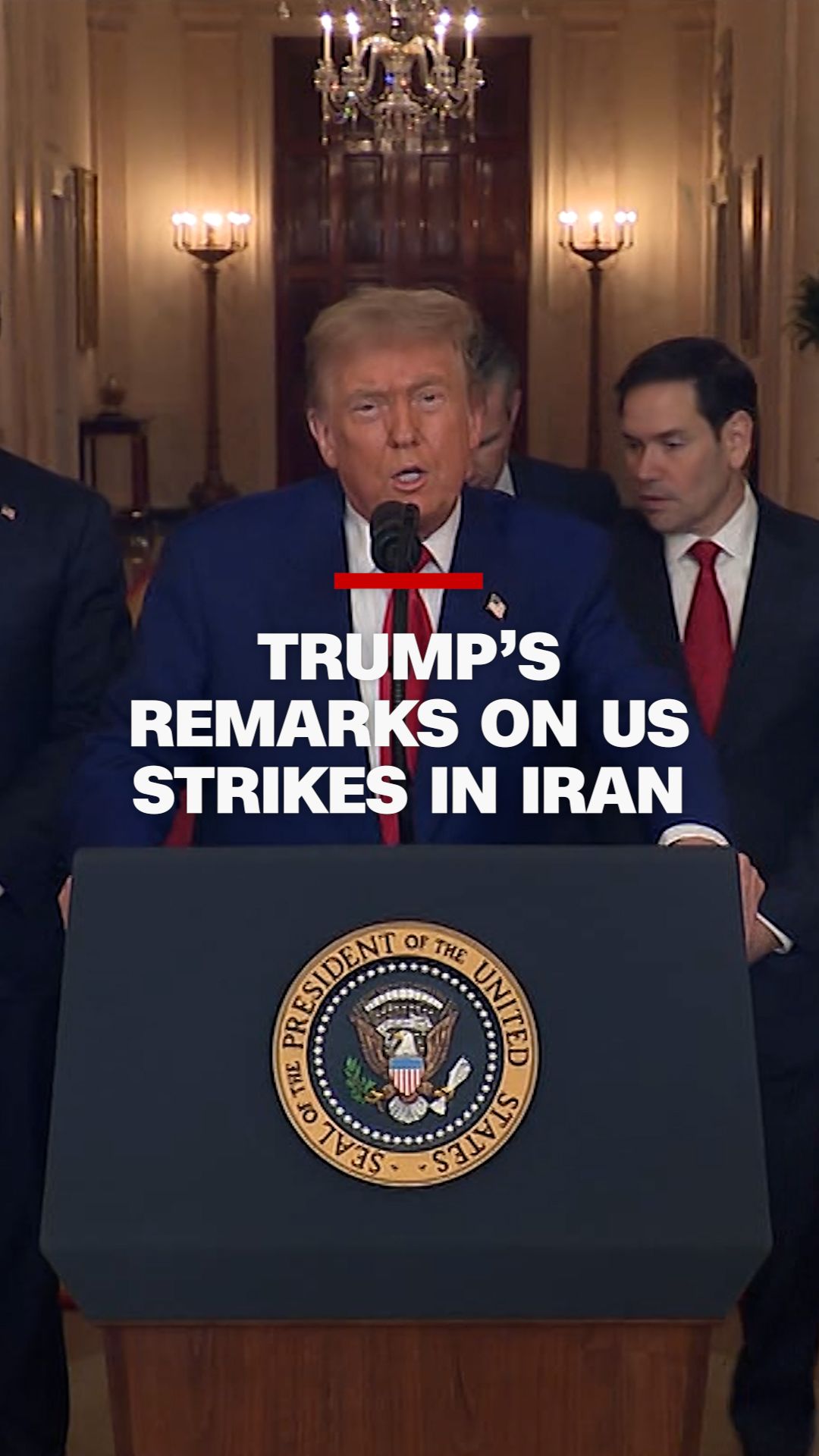
Diplomatic efforts to secure these waters typically involve complex negotiations with multiple regional players. The current environment necessitates a delicate balance between national security interests and the desire to prevent further regional escalation. Analysts note that any agreement would likely require robust monitoring mechanisms to ensure compliance by all involved parties, particularly regarding the movement of vessels and the protection of international shipping lanes.
Nuclear Enrichment and Regional Diplomacy
Central to the ongoing discussions is the broader question of Iran’s nuclear program. Reports circulating in international media have referenced potential proposals involving the suspension of uranium enrichment above specific thresholds for a set period. Such measures are frequently discussed in the context of broader confidence-building measures between Tehran and the international community. The International Atomic Energy Agency (IAEA) serves as the primary body for monitoring and verifying nuclear activities; their latest reports and board resolutions can be accessed via the official IAEA portal on Iran.
The role of Gulf nations in these negotiations is also critical. Consultations with regional partners are standard procedure for the United States when addressing security architecture in the Middle East. These nations have a vested interest in the long-term stability of the region and often serve as intermediaries or key stakeholders in the implementation of security agreements. The complexity of these multi-party negotiations underscores the difficulty of reaching a durable, long-term solution that satisfies the security requirements of all involved states.
What Comes Next in the Diplomatic Process
As of late May 2026, the situation remains fluid. Diplomatic observers are awaiting official communiqués from the U.S. State Department and relevant international bodies to confirm the status of any ongoing talks. A key indicator of progress will be the scheduling of formal follow-up meetings or the issuance of joint statements by the negotiating parties. Until such official announcements are made, the status of a potential 60-day truce remains a subject of intense analysis rather than established policy.
For readers looking to follow this developing story, we recommend monitoring the U.S. Department of State’s official press releases for verified updates on foreign policy and international agreements. We will continue to track these developments as they occur. We invite our readers to share their perspectives in the comments section below as we navigate these complex global issues together.
Related reading