## Navigating a shifting Global Order: trump’s UN Address and the Future of US Foreign Policy
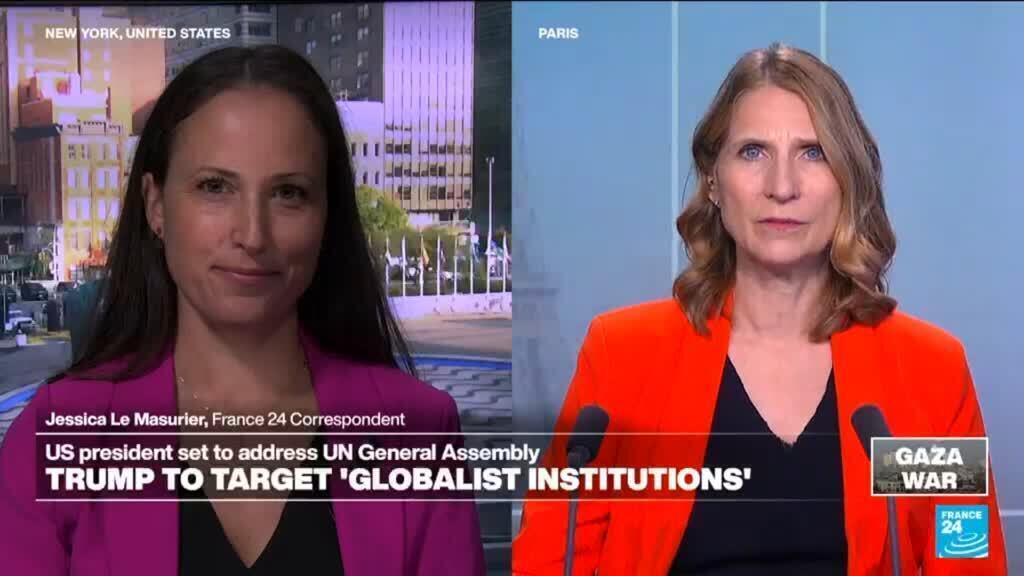
The international landscape is undergoing a period of significant transformation, and the address delivered by US President donald Trump to the United Nations General Assembly on September 23, 2025, served as a pivotal moment in defining the trajectory of American foreign policy. Anticipated to be a forceful reiteration of his “america First” doctrine, the speech is expected to directly challenge the established order of globalist institutions
, reflecting a growing debate surrounding the United States’ role in international affairs. This comes at a notably sensitive juncture, coinciding with the intensification of military operations in Gaza City by Israel and a surge in diplomatic efforts by several Western nations – notably France - to formally acknowledge the state of Palestine.
As reported from New York by France24 Correspondent Jessica Le Masurier, the atmosphere surrounding the UN gathering is charged with complexity.The convergence of these events – a potentially disruptive US policy statement, a deepening humanitarian crisis in the Middle East, and evolving perspectives on Palestinian statehood – underscores the multifaceted challenges facing global leaders today. The speech is not merely a statement of policy; it’s a signal of intent, potentially reshaping alliances and redefining the parameters of international cooperation.
### The “America First” Doctrine: A Reassessment
President Trump’s consistent emphasis on “America First” represents a departure from decades of US foreign policy predicated on multilateralism and global leadership. This approach prioritizes national interests, advocating for a recalibration of international commitments and a more transactional approach to alliances. Critics argue that this stance risks isolating the United States, undermining international institutions, and creating a power vacuum that could be exploited by adversaries. However, proponents maintain that it is a necessary correction, ensuring that US resources and influence are directed towards addressing domestic needs and protecting American sovereignty.
Recent polling data from the Pew Research Center (August 2025) indicates a growing divide within the American public regarding the nation’s role in the world. While a majority still believe the US shoudl play a leading role in global affairs, a significant minority expresses support for a more limited engagement, echoing the sentiments underpinning the “America First” agenda. This internal debate is mirrored in the international arena, were allies are grappling with the implications of a potentially less predictable and cooperative US foreign policy.
### Targeting ”Globalist Institutions”: What’s at Stake?
The President’s anticipated critique of globalist institutions
raises concerns about the future of organizations like the United Nations, the World trade association, and the International Monetary Fund. These institutions, established in the aftermath of World War II, were designed to foster international cooperation, promote economic stability, and prevent future conflicts. Trump’s governance has previously expressed skepticism about their effectiveness and fairness, arguing that thay frequently enough operate against US interests.
Specifically, concerns have been voiced regarding the perceived lack of accountability within these organizations and the potential for them to be used as tools for advancing agendas that are not aligned with American values. The President’s speech is expected to outline specific reforms he believes are necessary to address these concerns, potentially including calls for greater transparency, increased national sovereignty, and a reevaluation of funding contributions.
| institution | Primary Function | Trump Administration Concerns (2025) |
|---|---|---|
| United Nations | Maintaining international peace and security | Perceived bias against Israel; Inefficient bureaucracy |
| World Trade Organization | Regulating international trade | Unfair trade practices; Job losses in the US |
| International Monetary Fund | Promoting global monetary cooperation | Conditional loan programs; Interference in national economic policies |
### The Middle East Conundrum: Gaza, palestine, and Shifting Alliances
The timing of Trump’s address is particularly significant given the escalating conflict in Gaza and the growing momentum behind the recognition of Palestinian statehood. Israel’s intensified offensive in Gaza City has drawn international condemnation,with calls for a ceasefire and increased humanitarian aid. Simultaneously, France, along with other Western powers, is actively considering formally recognizing Palestine as an independent state.
Keep reading
- Senate Advances Jay Clayton’s Nomination for Director of National Intelligence
- Best Affordable and Classic Motorcycles 2026: Price List, Fuel Efficiency, and Top Picks
- The Senate Blue Slip, Explained: The Custom Trump Wants Gone (daybreakwire.com)
- Signum Global Advisors Formula Forecasts Trump Policy Pivot on Iran (archyworldys.com)