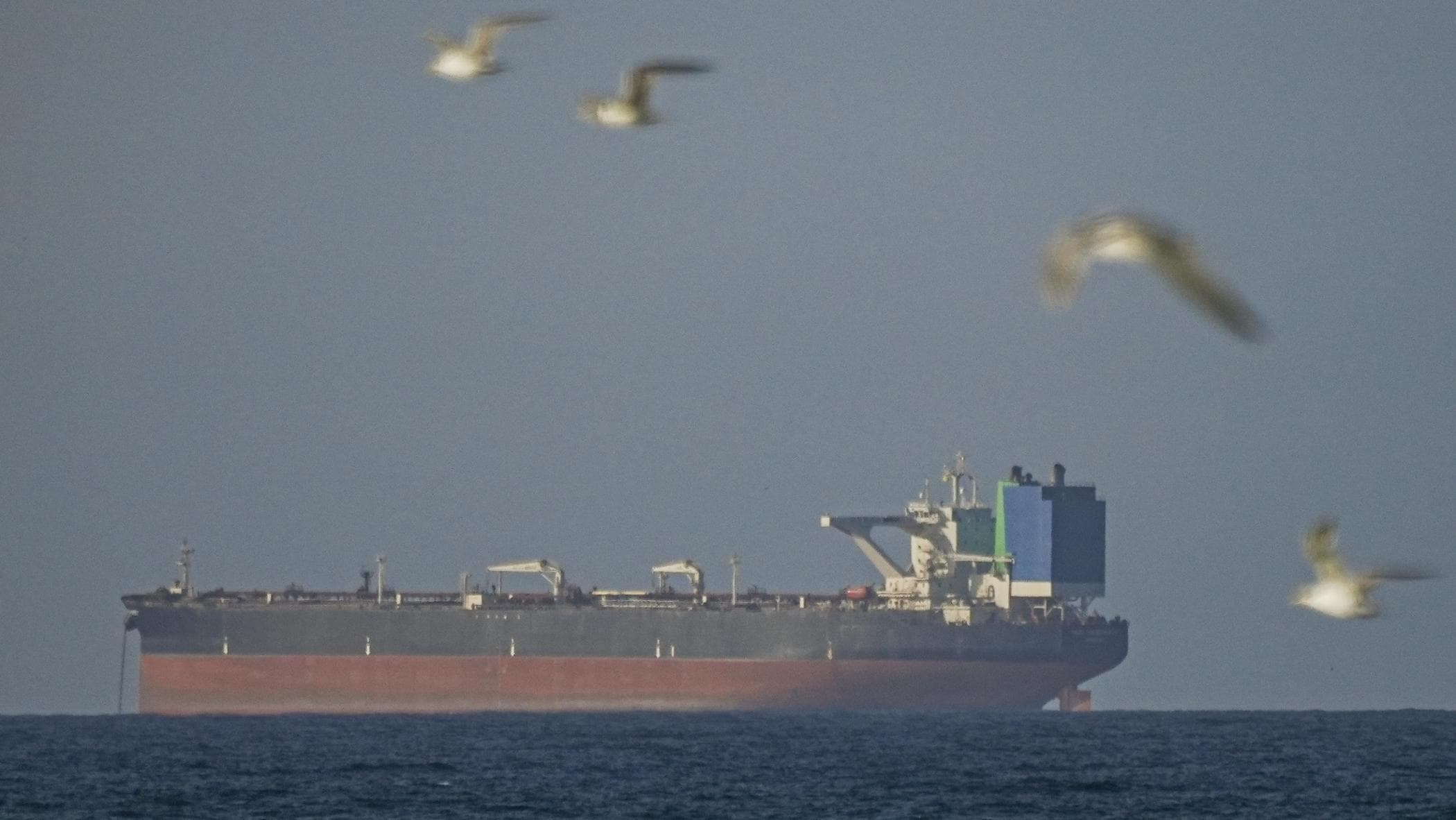
The United States has initiated a naval blockade of the Strait of Hormuz, a critical global maritime chokepoint, following the collapse of diplomatic efforts to conclude the ongoing war with Iran. President Donald Trump announced the move on Sunday, stating that the U.S. Navy would begin the process of blockading ships entering or leaving the strait to prevent Iran from profiting from what he termed an “Illegal Act of EXTORTION.”
The blockade officially went into effect on Monday, April 14, 2026, at 10 a.m. ET, according to the U.S. Central Command (CENTCOM) reported by CNBC. This escalation follows a series of marathon talks in Islamabad, Pakistan, led by Vice President JD Vance, which failed to yield an agreement. Vance informed reporters that the direct talks had concluded after Iranian representatives “chosen not to accept our terms.”
Although the initial announcement suggested a broad enforcement action, CENTCOM later clarified that the operation is more targeted. The U.S. Military stated it will not impede vessels transiting the strait to or from non-Iranian ports. Instead, the primary focus is on interdicting vessels in international waters that have paid tolls to Iran, a practice the administration is seeking to dismantle.
The geopolitical stakes are high, as the Strait of Hormuz is the world’s most important oil transit chokepoint. The U.S. Action aims to break a peace talk stalemate and challenge a “de facto ‘toll booth’ regime” established by Iran’s Islamic Revolutionary Guard Corps (IRGC), which has required vessels to obtain clearance codes and accept escorted passage through a controlled corridor via CBS News.
Strategic Objectives and Naval Enforcement
President Trump’s directive to the U.S. Navy is multifaceted, combining economic pressure with direct military threats. In a post on Truth Social, the president instructed the Navy to “seek and interdict every vessel in International Waters that has paid a toll to Iran.” This is a direct response to reports from Lloyd’s List Intelligence indicating that at least two vessels have already paid fees in Chinese yuan to guarantee safe passage through the strait as detailed by CBS News.

Beyond the interdiction of ships, the U.S. Military is tasked with neutralizing Iranian defenses in the waterway. President Trump stated that the U.S. Would begin “destroying the mines the Iranians laid in the Straits,” warning that “Any Iranian who fires at us, or at peaceful vessels, will be BLOWN TO HELL!”
The administration’s strategy appears to be a “maximum pressure” tactic designed to force Tehran back to the negotiating table. While the U.S. Considers the blockade a necessary tool to stop Iranian economic gain from the waterway, the move carries significant risk. The Wall Street Journal has reported that the president is as well considering the resumption of limited military strikes within Iran to further break the stalemate in peace talks.
The Impact on Global Shipping and Trade
The blockade’s limited scope—sparing non-Iranian ports—is intended to mitigate the global economic fallout, but the presence of a U.S. Naval blockade in such a volatile region naturally increases tension. The IRGC’s control over the corridor has already forced many commercial operators to navigate a complex system of documentation and escorted passage.
The U.S. Position is that the world suffers when the strait is closed or policed by Iran, while Iran continues to benefit economically. By removing the “toll” system, the U.S. Intends to restore international norms regarding the freedom of navigation in these critical waters.
Diplomatic Failure in Pakistan
The path to the blockade began with the failure of high-level diplomacy in Islamabad. The U.S. And Iran had previously agreed to a two-week ceasefire five days prior to the blockade announcement, providing a window for face-to-face negotiations. However, the talks led by Vice President JD Vance ended without a resolution over the weekend per CNBC.
The primary point of contention appears to be the imposition of tolls. Iran had indicated it might seek to impose a formal toll on all ships passing through the strait as part of a long-term peace deal. President Trump had previously urged Iran against this move, viewing it as an act of extortion rather than a legitimate sovereign fee.
The abrupt shift from a ceasefire to a naval blockade underscores the volatility of the current conflict. The U.S. Administration has signaled that until Iran accepts the terms laid out in the Pakistan talks, military and economic pressure will remain the primary levers of engagement.
Key Takeaways of the Hormuz Blockade
- Effective Date: The blockade began Monday, April 14, 2026, at 10 a.m. ET.
- Primary Target: Vessels that have paid tolls to Iran in international waters.
- Exemptions: CENTCOM stated that vessels traveling to and from non-Iranian ports will not be impeded.
- Military Action: The U.S. Navy is tasked with destroying Iranian mines laid in the strait.
- Diplomatic Context: The move follows the failure of peace talks in Islamabad led by Vice President JD Vance.
Potential Escalation and Next Steps
The situation remains fluid, with the possibility of further military escalation. Following the implementation of the blockade on Monday, President Trump threatened additional military action against Iran if the regime continues to challenge U.S. Operations in the waterway according to Politico.
The international community is now watching to see how Tehran responds to the interdiction of ships and the destruction of its naval mines. Whether this pressure leads to a renewed diplomatic opening or a broader military conflict depends on Iran’s willingness to abandon its toll regime and accept U.S. Terms.
The next critical checkpoint will be the ongoing monitoring of vessel movements by CENTCOM and any official response from the Iranian government regarding the blockade’s impact on its ports and revenue.
World Today Journal encourages readers to share this report and leave their perspectives on the geopolitical implications of this blockade in the comments section below.
Related reading