
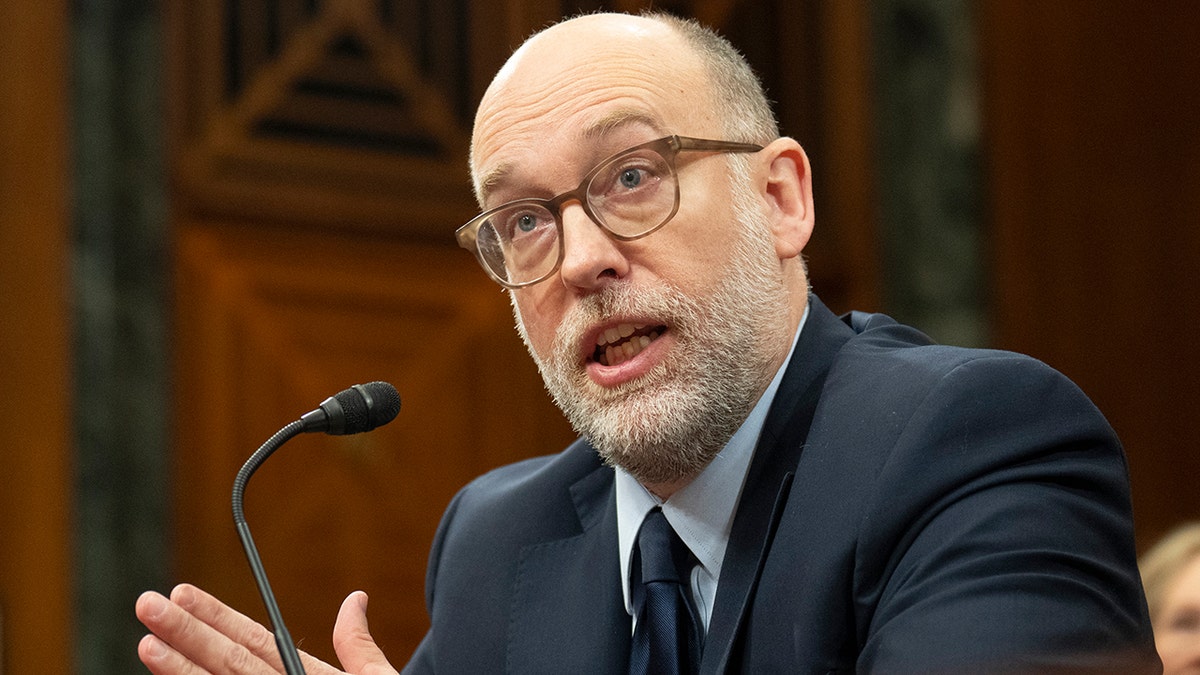
President Donald Trump’s fiscal year 2027 budget proposal, released in April 2026, continues a pattern of significant increases in defense spending while proposing cuts to non-defense programs, according to testimony from Office of Management and Budget Director Russell Vought before congressional committees. The proposal includes a defense budget increase to approximately $1.5 trillion, representing a roughly 50% rise from the previous year’s levels, which Vought defended as necessary for “significant paradigm-shifting investments” in national security capabilities.
During his testimony before the House Budget Committee on Wednesday and the Senate Budget Committee on Thursday, Vought faced criticism from Democrats over the proposed cuts to non-defense spending, which would total $73 billion, or about 10% of current non-defense outlays. The budget framework aims to offset the substantial defense increases through these reductions, a strategy Vought described as building on the administration’s vision to “constrain non-defense spending and reform the federal government.”
The proposal comes amid ongoing congressional debates over federal spending priorities, including recent discussions about the reauthorization of surveillance authorities under the Foreign Intelligence Surveillance Act (FISA). While the administration emphasizes military modernization, critics argue that the budget lacks a comprehensive strategy to address the nation’s growing fiscal challenges, particularly the trajectory of the national debt, which has surpassed $36 trillion according to Treasury Department data.
Vought acknowledged that the defense spending increase is “sizable” but maintained that it reflects strategic priorities identified in national security assessments. The administration has not presented a specific plan to reduce the overall national debt burden, instead focusing on slowing the growth of non-defense expenditures while accelerating investment in defense capabilities.
Public reaction to the budget proposal has been mixed, with support from defense advocates concerned about global security threats and opposition from social program advocates who warn that cuts to domestic initiatives could disproportionately affect vulnerable populations. The administration maintains that efficiency reforms in government operations will help mitigate the impact of reduced non-defense spending.
Congressional consideration of the budget proposal remains ongoing, with committee hearings continuing to examine the details of the administration’s fiscal priorities. The next major step in the process will be the markup of appropriations bills by relevant congressional committees, which will determine the final funding levels for various government programs for fiscal year 2027.
For ongoing updates on federal budget developments and congressional deliberations, readers can follow official proceedings through congressional committee websites and the Congressional Record.
Share your thoughts on the administration’s budget priorities in the comments below, and help spread informed discussion by sharing this article with others interested in fiscal policy and national security.