
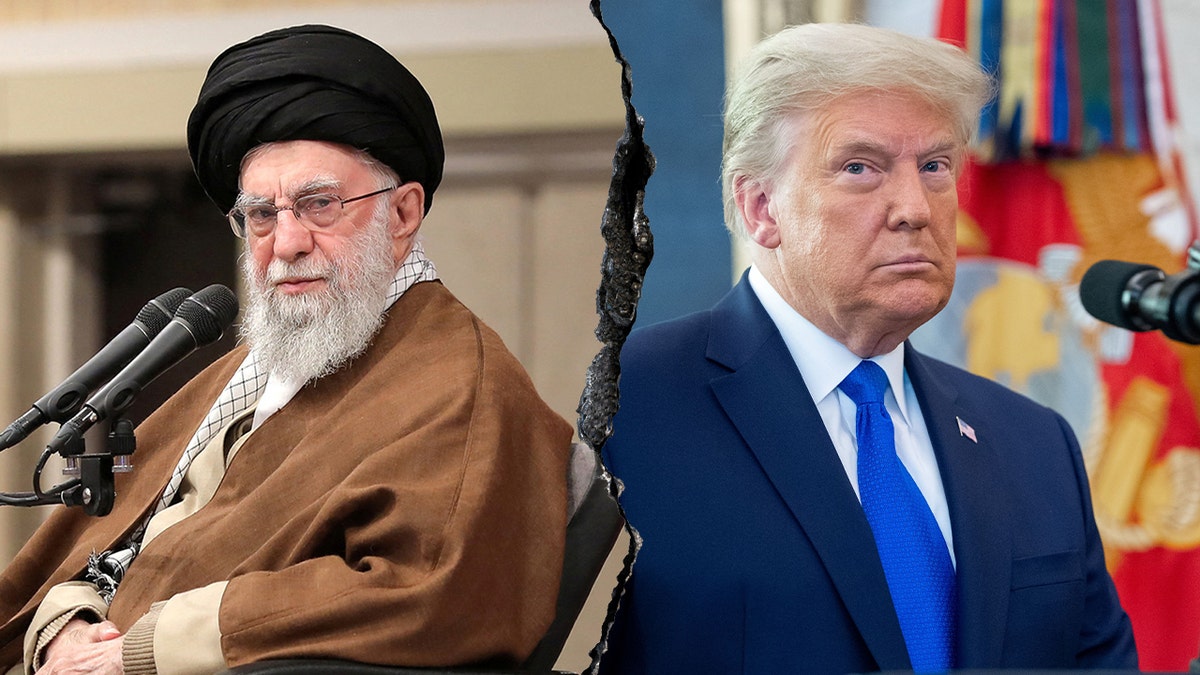
Iran’s Foreign Minister Abbas Araghchi departed Islamabad on Sunday, April 26, 2026, following a brief visit to Pakistan that occurred just hours before U.S. President Donald Trump announced the cancellation of a planned trip by American envoys to the country for discussions on Iran-related matters. The visit by Araghchi, which included meetings with Pakistani leadership, took place amid ongoing diplomatic efforts to address regional tensions involving Iran’s nuclear program and broader Middle East stability.
Trump’s announcement, made through a series of social media posts and confirmed by multiple U.S. News outlets, stated that he had personally called off the trip of U.S. Negotiators who were scheduled to travel to Pakistan to engage in talks concerning Iran. The decision came as a surprise to some diplomatic observers, given the recent momentum behind backchannel communications between Washington and Tehran through intermediaries.
The White House did not immediately release an official statement detailing the reasons behind the cancellation, but Trump himself indicated on his Truth Social platform that the move was related to a lack of progress in negotiations and dissatisfaction with Iran’s current stance. He did not specify whether the cancellation was temporary or indefinite, nor did he identify which specific envoys were affected by the change in plans.
According to reports from BBC News and Reuters, both of which cited anonymous U.S. Officials familiar with the planning, the canceled trip had been intended to facilitate discussions on a potential framework for de-escalation in the Gulf region, including confidence-building measures and possible steps toward reviving the 2015 Joint Comprehensive Plan of Action (JCPOA), commonly known as the Iran nuclear deal. The envoys were expected to meet with Pakistani officials who have historically served as intermediaries in U.S.-Iran communications due to Islamabad’s maintained diplomatic ties with Tehran.
Pakistan’s Foreign Office confirmed Araghchi’s visit but did not disclose the specifics of his discussions with Pakistani leaders, including Prime Minister Shehbaz Sharif and Foreign Minister Ishaq Dar. But, diplomatic sources in Islamabad told The Guardian that the Iranian foreign minister emphasized during his meetings that Tehran remains open to diplomatic engagement but insists on the lifting of sanctions as a precondition for any meaningful negotiations.
The timing of Araghchi’s departure and Trump’s announcement has led to speculation about the coordination between the two events, though no official link has been established by either government. Analysts noted that Pakistan’s role as a conduit for backchannel talks has been particularly significant since the breakdown of direct U.S.-Iran negotiations in early 2025, with Islamabad hosting several rounds of indirect discussions facilitated by its intelligence and foreign affairs establishments.
U.S. Special Envoy for Iran Abramowitz, who was reportedly among those whose travel was canceled, has not publicly commented on the development. His office did not respond to requests for clarification from major news organizations. Similarly, Jared Kushner, who was mentioned in some early reports as potentially involved in the trip, has not held an official government role since leaving the White House in January 2021, and his name appeared in later reports only in the context of past advisory functions during the Trump administration.
The cancellation underscores the fragility of ongoing efforts to manage U.S.-Iran tensions through third-party diplomacy, especially as regional actors continue to navigate the aftermath of heightened hostilities in 2024, including maritime incidents in the Strait of Hormuz and reciprocal military posturing. Pakistan, whereas not a direct party to the nuclear negotiations, has consistently offered its good offices to facilitate dialogue, citing its interest in regional stability and its long-standing relationships with both Washington, and Tehran.
As of Sunday evening, neither the U.S. State Department nor Iran’s Ministry of Foreign Affairs had issued a joint statement or confirmed plans for rescheduling the talks. Observers suggest that any future engagement would likely depend on renewed signals from both capitals, potentially mediated through alternative channels such as Oman or Qatar, which have also served as intermediaries in previous negotiation cycles.
For ongoing updates on this developing diplomatic situation, readers are encouraged to monitor official announcements from the U.S. Department of State and the Ministry of Foreign Affairs of the Islamic Republic of Iran, as well as verified reporting from international news agencies with established bureaus in Washington, Tehran, and Islamabad.
What do you believe about the implications of this diplomatic shift for regional stability? Share your thoughts in the comments below, and consider sharing this article with others following global affairs.