U.S. Escalates Drug Interdiction Efforts, Sparking Legal and International Concerns
president Trump recently declared a important shift in U.S.counter-narcotics strategy, reporting a dramatic reduction in maritime drug trafficking near Venezuela. He claims recent lethal strikes against suspected smuggling vessels have been so effective that “there are no boats” remaining in the targeted area of the Caribbean Sea.
This aggressive approach represents a notable escalation in how the U.S. is confronting the flow of illegal drugs into the country. Trump highlighted the success during a speech to Navy personnel at norfolk Naval Base in Virginia,stating the U.S. is “stopping drugs at a level that nobody’s ever seen.”
Rising Death Toll and Operational Details
at least 21 individuals have been killed in these operations to date. U.S. officials confirm at least four boats have been destroyed, with the stated goal of preventing narcotics from reaching American shores.
The administration asserts this policy is working, and Trump suggested expanding military action to target land routes. He anticipates smugglers will attempt to circumvent the naval blockade, stating, “They’ll be forced to go by land…that’s not going to work out well for them either.”
Recent reports indicate another strike occurred “last night,” though the Pentagon’s last publicly announced incident was Friday. That operation resulted in the deaths of four individuals identified as suspected “narco-terrorists” off the Venezuelan coast.
Controversy and Legal Challenges
However, this forceful strategy is drawing criticism from Democrats and legal scholars. Concerns center on the legality of employing lethal force in international waters against individuals who haven’t been apprehended or questioned.
Specifically, questions are being raised about due process and whether these actions align with international law. Critics argue that the lack of interception and investigation before resorting to deadly force sets a hazardous precedent.
Broader Regional Context
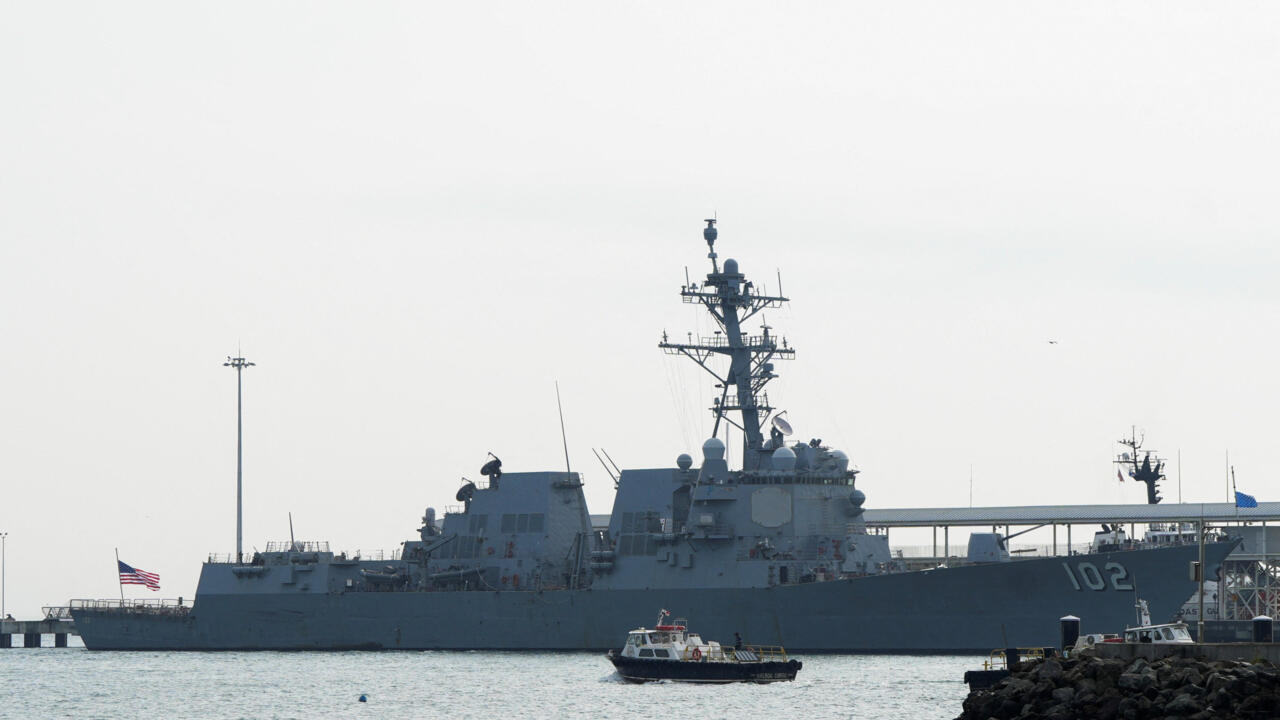
These developments occur amidst heightened tensions with Venezuela. The White House recently rejected a call for talks from Venezuelan President Maduro, coinciding with a visible increase in U.S. naval presence in the region.
The Pentagon released video footage of a recent incident,showing a speedboat engulfed in flames following a strike. This visual evidence underscores the intensity of the ongoing operations and the potential for further escalation.
Ultimately,you shoudl understand that this evolving situation presents complex legal,ethical,and geopolitical challenges. As the U.S. continues to pursue its counter-narcotics strategy, it will be crucial to consider the broader implications for regional stability and international law.