
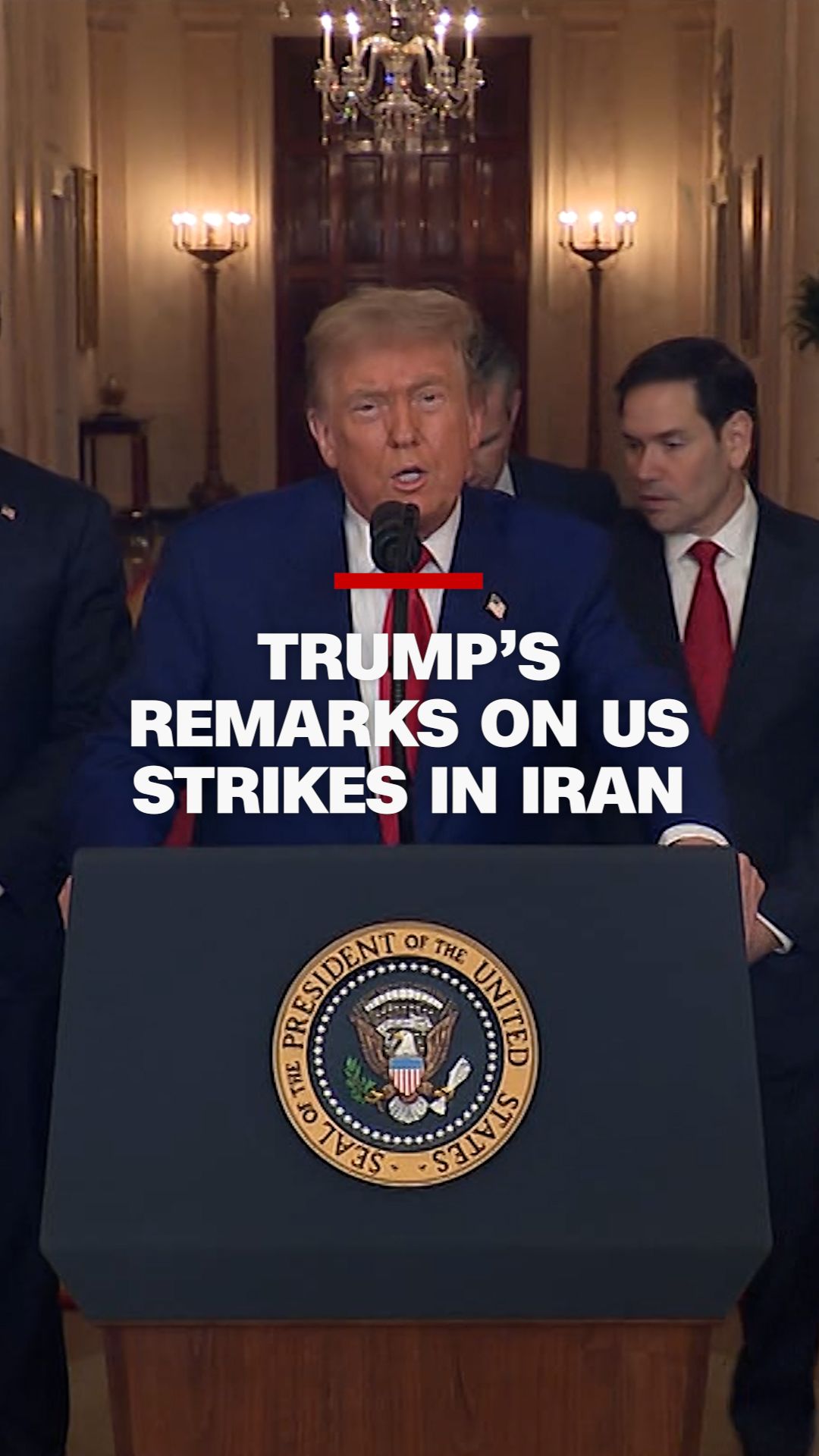
Former President Donald Trump encountered significant resistance from Senate Republicans during a series of private meetings on Capitol Hill, as internal disagreements over policy and political strategy created friction within the party. These encounters, characterized by sharp exchanges and public rebukes, highlighted the persistent challenges in maintaining party cohesion as lawmakers balance their individual legislative priorities with the influence of the former president’s base.
The friction between the former president and members of his own party has centered on specific legislative agendas and the direction of the Republican platform. According to reporting from The New York Times, these closed-door sessions—intended to foster unity—frequently devolved into tense, vocal disagreements. Senators have expressed varying degrees of autonomy, signaling that while party loyalty remains high, individual members are willing to push back against directives they perceive as counterproductive to their regional interests or personal political standing.
The Dynamics of Internal Party Friction
The tension within the Senate reflects a broader ideological shift occurring within the Republican Party. While many GOP members remain aligned with the former president’s core policy objectives, others have publicly distanced themselves on issues ranging from foreign policy—notably regarding Iran—to the management of internal party disputes. As noted by Politico, the atmosphere during these meetings has been described by attendees as “intense,” with some lawmakers openly challenging the former president on his approach to party discipline and his public criticism of sitting senators.

This pushback is not uniform. The Republican conference is currently navigating a period of transition, where the influence of the party’s populist wing often clashes with the traditional legislative practices of the Senate. The “meltdown” atmosphere reported by various outlets suggests that the former president’s efforts to exert control over the legislative agenda have met with a degree of institutional resistance that was less prevalent during his initial term in office.
Foreign Policy and Legislative Strategy Disagreements
One of the primary drivers of the recent friction has been the approach to foreign policy, specifically the handling of tensions with Iran. During a high-stakes meeting, disagreements over how to address the Iranian threat led to a heated exchange between the former president and several senators. According to Fox News, the meeting saw a “shouting match” erupt, with the former president reportedly calling out specific senators who had been critical of his foreign policy stance. This direct confrontation was a departure from the typical decorum expected in Senate-executive branch relations.
This strategy of “naming names” has had mixed results. While it serves to energize supporters who favor a confrontational approach, it has simultaneously alienated some of the more moderate or institutionalist members of the Senate. These members argue that such public or semi-private confrontations jeopardize the party’s ability to present a unified front on essential legislative priorities, such as judicial appointments and upcoming budgetary votes.
What Happens Next in the Senate
As the legislative calendar progresses, the impact of these internal clashes remains to be seen. The Republican leadership is faced with the task of reconciling these competing factions to ensure that the party remains functional during key legislative windows. According to the official U.S. Senate legislative schedule, upcoming sessions will focus on appropriations and further confirmation hearings, which will serve as a testing ground for party unity.
Observers are watching to see if this pattern of friction will lead to a more permanent fracture or if it is merely a temporary byproduct of an active election cycle. For now, the ability of Senate leadership to navigate these disagreements will be the primary indicator of the party’s direction. We will continue to monitor the situation as official transcripts and legislative outcomes become available. Please share your thoughts on these developments in the comments below.