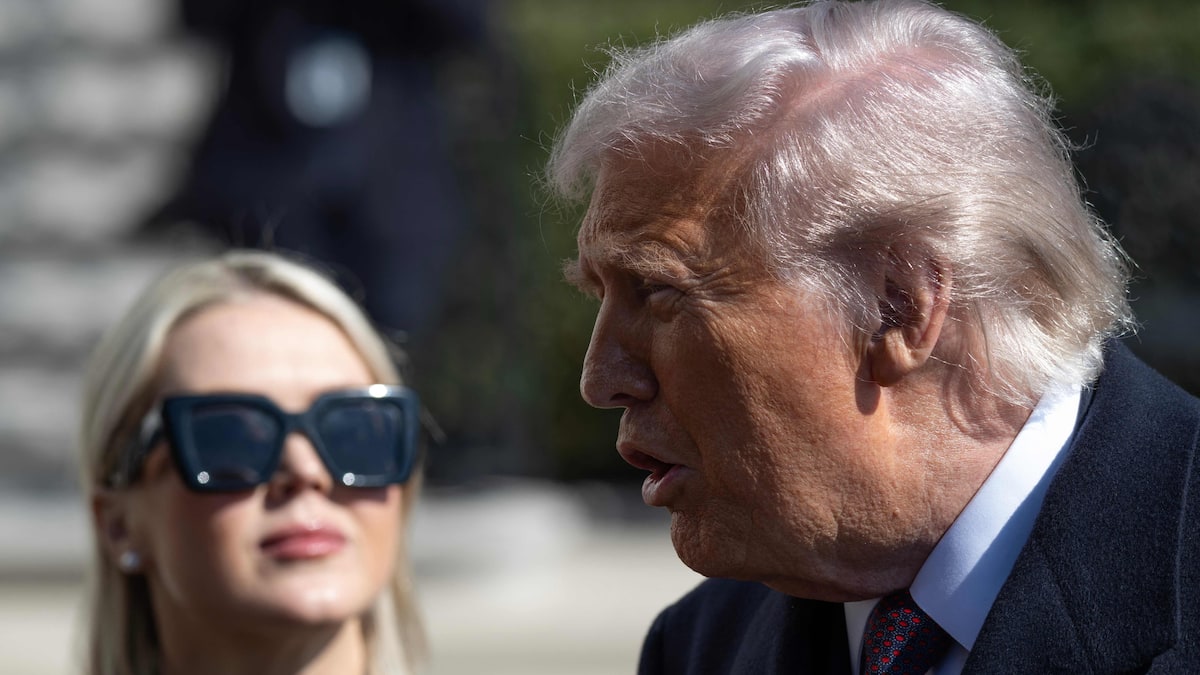
Lisbon, Portugal – U.S. President Donald Trump has raised the possibility of a “friendly takeover” of Cuba, a statement made Friday as the island nation grapples with a deepening economic crisis and increasing political tensions. The remarks, delivered to reporters as he departed for a trip to Texas, signal a potential shift in U.S. Policy toward Cuba and have sparked immediate reactions from both Washington and Havana. This comes amidst reports of escalating friction following an incident involving a U.S. Vessel in Cuban waters and ongoing concerns about Cuba’s economic stability.
The situation is further complicated by the United States’ existing economic pressure on Cuba, including a tightening of restrictions on oil imports beginning in January, intended to limit Cuba’s access to vital resources. This policy, enacted in response to concerns about Cuba’s relationship with Venezuela, has exacerbated the already challenging economic conditions on the island. The BBC reported earlier this week that many Cubans are now facing conditions reminiscent of the pre-revolution era, struggling with basic necessities like food and fuel. The BBC’s reporting details the growing hardship and the sense of desperation among the Cuban population.
Trump’s comments suggest a willingness to explore options beyond the current strategy of economic pressure, though the specifics of a “friendly takeover” remain unclear. He indicated that Secretary of State Marco Rubio is engaged in high-level negotiations with the Cuban government, suggesting a direct channel for dialogue. The President stated, “The Cuban government is talking with us, they’re in a great deal of trouble as you know. They have no money. They have no anything right now,” adding that a takeover could be “very positive” for Cuban exiles living in the United States. This statement, reported by Reuters, signals a potential willingness to engage directly with the Cuban government despite years of strained relations.
Escalating Tensions and Recent Incidents
The timing of Trump’s remarks is particularly sensitive, coming just days after a deadly confrontation between Cuban forces and a group of armed individuals arriving by boat from Florida. According to Cuban officials, a speedboat carrying ten armed Cubans opened fire on soldiers off the northern coast of the island on Wednesday. Cuban troops responded, resulting in the deaths of four suspects and injuries to six others. One Cuban official was also injured in the exchange. The U.S. Government has confirmed that at least one American citizen was killed and another wounded in the incident, though details remain murky. This incident, as reported by WFAA, has further strained relations between the two countries and raised questions about the involvement of U.S. Citizens in potentially destabilizing activities.
Secretary of State Rubio addressed the incident on Wednesday evening, stating that the U.S. Department of Homeland Security and the U.S. Coast Guard were investigating. The incident has prompted calls for increased security measures and a reassessment of U.S. Policy toward Cuba. The involvement of armed individuals originating from the United States raises concerns about potential attempts to incite unrest or undermine the Cuban government. The Cuban government has characterized the incident as an act of “terrorism,” accusing the U.S. Of supporting efforts to destabilize the island.
Economic Crisis Fuels Instability
Cuba is currently facing one of its most severe economic crises in decades, marked by shortages of food, fuel, and medicine. The collapse of its economic ties with Venezuela, a key supplier of petroleum, has significantly impacted the island’s ability to import essential goods. The U.S. Embargo, in place for over six decades, continues to restrict trade and investment, further exacerbating the economic challenges. The BBC’s recent reporting highlights the dire conditions faced by ordinary Cubans, with many struggling to afford basic necessities. The report details the widespread hardship and the growing frustration with the current economic situation.
The United States has imposed a “blockade” – as We see referred to by the Cuban government – on Cuba, restricting financial transactions and trade. In January, the U.S. Implemented a blockade on energy shipments to Cuba, citing national security concerns. This move, intended to further pressure the Cuban government, has been criticized by some as counterproductive, arguing that it will only worsen the humanitarian situation on the island. The U.S. Justification for these measures centers on Cuba’s perceived support for authoritarian regimes in the region and its human rights record.
Diplomatic Maneuvering and Potential Pathways Forward
The reported meetings between U.S. Officials and Rodriguez Castro, grandson of former Cuban leader Raul Castro, suggest a potential backchannel for negotiations. According to the Miami Herald, these meetings took place on the sidelines of the recent CARICOM summit in Saint Kitts and Nevis. Rodriguez Castro, while not holding an official government position, is considered an influential figure within Cuba. The fact that Secretary Rubio engaged in direct talks with Rodriguez Castro, bypassing official Cuban government channels, indicates a willingness to explore unconventional diplomatic approaches. This move, as reported by Axios, suggests a desire to locate alternative solutions to the ongoing crisis.
However, the Cuban government has consistently rejected any attempts at external interference in its internal affairs. Cuban President Miguel Díaz-Canel has vowed to defend the island against any “aggression,” and the government has accused the United States of orchestrating destabilizing activities. The recent incident involving the armed boat from Florida has only reinforced these suspicions. The Cuban government maintains that the U.S. Embargo is the primary cause of the island’s economic woes and calls for its immediate lifting.
What Does a “Friendly Takeover” Entail?
The term “friendly takeover,” as used by President Trump, remains largely undefined. It is unclear whether this refers to a negotiated political transition, a change in economic policy, or a more direct intervention. Some analysts speculate that it could involve a U.S.-backed effort to support a transition to a more democratic government in Cuba, while others fear it could be a prelude to a more forceful intervention. The lack of clarity surrounding Trump’s statement has fueled speculation and anxiety on both sides of the issue. The potential implications of a U.S. Intervention in Cuba are significant, given the island’s strategic location and its historical ties to both the United States and Russia.
The situation is further complicated by the presence of a significant Cuban-American population in the United States, particularly in Florida. Many Cuban-Americans have long advocated for a change in government in Cuba and support a more assertive U.S. Policy toward the island. However, there is also a growing movement within the Cuban-American community that favors engagement and dialogue with the Cuban government. The diverse perspectives within the Cuban-American community add another layer of complexity to the U.S. Policy debate.
Key Takeaways
- President Trump has suggested the possibility of a “friendly takeover” of Cuba amid a severe economic crisis.
- Recent tensions have escalated following a deadly confrontation between Cuban forces and armed individuals arriving from Florida.
- The U.S. Has imposed economic sanctions on Cuba, including a blockade on energy shipments, citing national security concerns.
- Diplomatic maneuvering is underway, with U.S. Officials reportedly engaging in backchannel talks with influential figures within Cuba.
- The future of U.S.-Cuba relations remains uncertain, with the potential for both increased conflict and renewed dialogue.
The coming weeks will be crucial in determining the future of U.S.-Cuba relations. Secretary of State Rubio is expected to provide an update on the negotiations with the Cuban government following his return from the CARICOM summit. The U.S. Government is also expected to announce further measures to address the humanitarian situation in Cuba. The international community will be closely watching developments, as the situation in Cuba has the potential to destabilize the region. Readers are encouraged to share their thoughts and perspectives on this evolving situation in the comments section below.
Worth a look