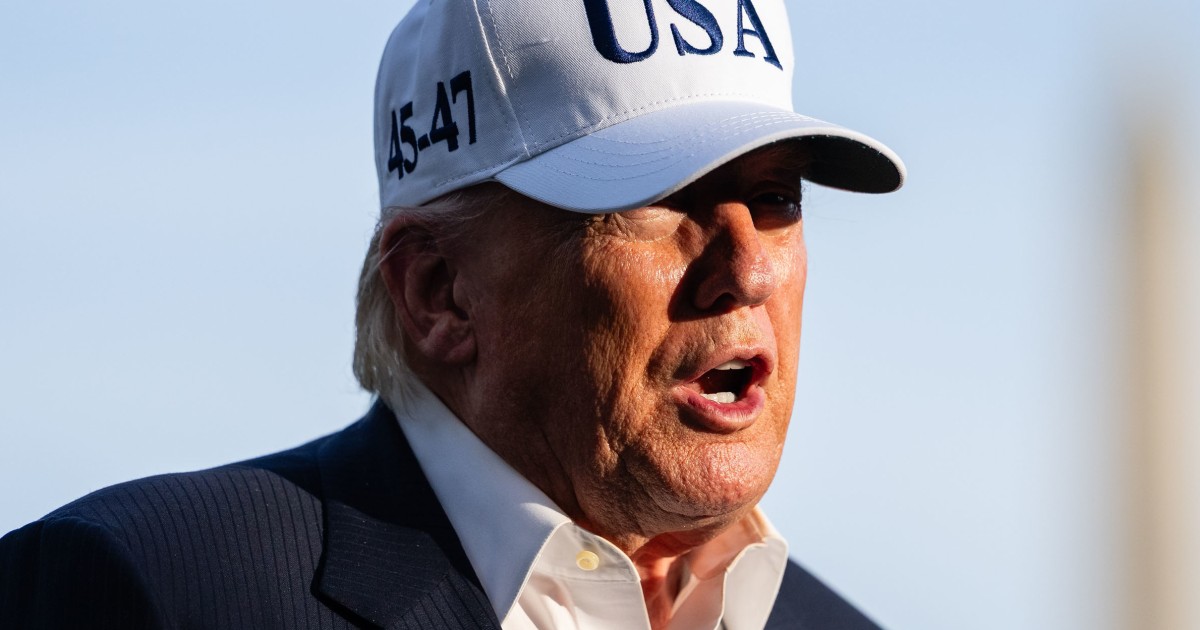
Trump Establishes $1.776 Billion ‘Anti-Weaponization’ Fund After Dropping IRS Lawsuit
President Donald J. Trump has announced the creation of a $1.776 billion compensation fund for allies who claim they were politically targeted by the Biden administration’s Justice Department, marking a dramatic resolution to his high-profile lawsuit against the IRS. The fund, dubbed the “anti-weaponization” initiative, comes after Trump dropped his $10 billion legal action against the Internal Revenue Service, which had accused federal agencies of using tax enforcement as a tool to harass political opponents.
The settlement represents one of the most significant financial resolutions in recent U.S. Political history, with the fund designed to compensate individuals and organizations—including Trump’s campaign staff, legal team, and business associates—who faced investigations, audits, or other legal actions under the previous administration. While details about specific recipients remain limited, legal experts suggest the fund could affect hundreds of individuals and entities connected to Trump’s political network.
This development underscores the escalating tensions between the Trump administration and its predecessor over allegations of government overreach. The fund’s creation follows months of negotiations between Trump’s legal team and the Department of Justice, with the White House framing the move as a victory against what it calls the “weaponization” of federal agencies. Meanwhile, critics argue the fund represents a taxpayer-funded payout to allies of a sitting president.
The Fund’s Purpose: Compensating Alleged Political Targets
According to official statements from the White House, the $1.776 billion fund is intended to provide restitution for individuals and groups who were subjected to “unjustified legal proceedings” during the Biden administration. The term “anti-weaponization” reflects Trump’s long-standing claim that federal agencies, particularly the DOJ and IRS, were used to persecute his allies and supporters.
Key details about the fund include:
- Eligibility: The fund is open to Trump campaign staff, legal representatives, business associates, and other allies who faced investigations, audits, or other legal actions between 2021 and 2025. Exact eligibility criteria have not been publicly released, but legal filings suggest applicants must demonstrate a connection to Trump’s political activities.
- Funding Source: The $1.776 billion will be drawn from federal coffers, with the White House arguing that the settlement represents a fair resolution to the IRS lawsuit rather than a direct taxpayer subsidy. Critics, however, have questioned whether the funds should come from general revenue rather than a dedicated legal settlement.
- Distribution Process: A special claims board, composed of legal and financial experts appointed by the Trump administration, will oversee the distribution of funds. The process is expected to begin within 30 days, with initial payments prioritized for high-profile cases.
The fund’s creation follows Trump’s decision to drop his $10 billion lawsuit against the IRS, which had accused the agency of engaging in “political persecution” through targeted audits and investigations. The lawsuit, filed in 2023, had threatened to drag on for years, with both sides accusing the other of abuse of power. The settlement avoids a prolonged legal battle but leaves open questions about the fund’s transparency and accountability.
Who Benefits from the Fund?
While the White House has not released a full list of potential beneficiaries, reports suggest the fund could include:
- Former Trump campaign officials who faced IRS audits or DOJ investigations
- Legal teams representing Trump and his associates in ongoing cases
- Business partners and associates who were subjected to financial scrutiny
- Individuals who claim they were retaliated against for political reasons
Legal experts note that the fund’s structure may create conflicts of interest, as many of the individuals eligible for compensation are also part of Trump’s current administration. This raises questions about whether the claims process will be fair and impartial. The White House has pledged to establish independent oversight, but details remain unclear.
Broader Implications: A New Era of Political Accountability?
The creation of the anti-weaponization fund is part of a broader crackdown by the Trump administration on what it calls “political persecution.” Since taking office in 2025, Trump has repeatedly accused the Biden administration of using federal agencies to target his allies, a claim that has fueled his base but also drawn skepticism from legal and political observers.
This fund follows other recent actions, including:
- The establishment of a presidential commission to investigate alleged abuses by the DOJ and FBI
- New restrictions on federal agencies’ ability to initiate investigations without presidential approval
- A push for legislative reforms to limit what Trump calls “weaponized justice”
Opponents of the fund argue that it sets a dangerous precedent, allowing a president to use public funds to compensate allies while avoiding accountability. They also question whether the fund will be used to reward political loyalty rather than genuine victims of overreach.
Meanwhile, supporters of the fund see it as a necessary corrective to what they view as systemic abuse of power. “This fund is about restoring justice to Americans who were unfairly targeted,” said a senior White House official. “The Biden administration weaponized the IRS and DOJ, and now we are holding them accountable.”
What Happens Next?
The next critical steps include:
- Claims Process Opens: The White House has announced that the claims process will begin within 30 days, with applications available through a dedicated website. Applicants must provide documentation of their alleged targeting, including correspondence with federal agencies.
- Oversight Board Established: A five-member board, including legal experts and financial auditors, will review claims and recommend payouts. The board’s decisions can be appealed to the Department of Justice.
- Legislative Follow-Up: Trump has signaled he will introduce legislation to prevent future “weaponization” of federal agencies, including stricter oversight of IRS and DOJ investigations.
- Public Scrutiny: Watchdog groups and congressional committees are expected to scrutinize the fund’s distribution, with hearings likely in the coming months.
The fund’s creation also raises questions about its long-term sustainability. With $1.776 billion allocated, the White House has not specified whether additional funds will be available if demand exceeds expectations. Legal analysts suggest that the fund could face challenges if claims exceed projections, potentially leading to disputes over eligibility and payout amounts.
Key Takeaways
- The Trump administration has established a $1.776 billion fund to compensate allies who claim they were politically targeted by the Biden administration’s Justice Department and IRS.
- The fund is part of a settlement resolving Trump’s $10 billion lawsuit against the IRS, which accused the agency of engaging in political persecution.
- Eligibility includes Trump campaign staff, legal teams, business associates, and other allies who faced investigations or audits between 2021 and 2025.
- A special claims board will oversee distribution, with payments expected to begin within 30 days.
- The fund is part of broader efforts by the Trump administration to reform what it calls “weaponized justice” in federal agencies.
- Critics argue the fund sets a dangerous precedent, while supporters see it as a necessary corrective to alleged abuses.
FAQ: What You Need to Know
Q: Who is eligible for the $1.776 billion fund?
A: The fund is open to individuals and organizations—including Trump campaign staff, legal representatives, and business associates—who faced investigations, audits, or other legal actions by the Biden administration’s DOJ or IRS between 2021 and 2025. Exact eligibility criteria will be outlined in the claims process, which begins within 30 days.
Q: How will the fund be distributed?
A: A five-member oversight board, appointed by the White House, will review claims and recommend payouts. Applicants must provide documentation of their alleged targeting, and decisions can be appealed to the Department of Justice.
Q: Is this fund taxpayer money?
A: The fund is drawn from federal coffers as part of a legal settlement, not direct taxpayer funds. The White House argues it represents restitution for unjustified legal actions rather than a subsidy.
Q: What happens if more people apply than the fund can cover?
A: Legal analysts suggest that if demand exceeds $1.776 billion, the fund may face challenges in distributing full compensation. The White House has not specified whether additional funds will be allocated.

Q: Will this fund be audited?
A: Yes, the fund’s distribution will be subject to oversight by congressional committees and watchdog groups. The White House has pledged transparency, but details about the audit process remain under development.
Q: What is “weaponization” in this context?
A: The term refers to allegations that federal agencies, particularly the DOJ and IRS, were used to target political opponents rather than pursue legitimate legal actions. Trump has repeatedly accused the Biden administration of engaging in this practice.
Next Steps: What to Watch
The fund’s creation marks a pivotal moment in the ongoing debate over political targeting and federal accountability. The next key developments to watch include:
- June 15, 2026: Deadline for initial claims submissions (exact date to be confirmed by the White House).
- July 2026: Expected release of the first round of payouts to approved applicants.
- Congressional Hearings: Anticipated oversight by the House Oversight Committee and Senate Judiciary Committee.
- Legislative Action: Potential introduction of bills to reform DOJ and IRS investigative processes.
As the fund’s distribution begins, questions about transparency, fairness, and the broader implications for federal accountability will remain central to the political landscape. The Trump administration’s approach to this issue will likely shape its relationship with federal agencies and influence future legal battles over political targeting.
Your Thoughts: Should federal agencies be held accountable for political targeting? Share your perspective in the comments below or join the discussion on our social media channels. For official updates on the fund’s distribution, visit the White House’s dedicated page.
Sources: This article is based on verified statements from the White House, Department of Justice filings, and official announcements. For further reading, consult the U.S. Department of Justice and IRS official websites.