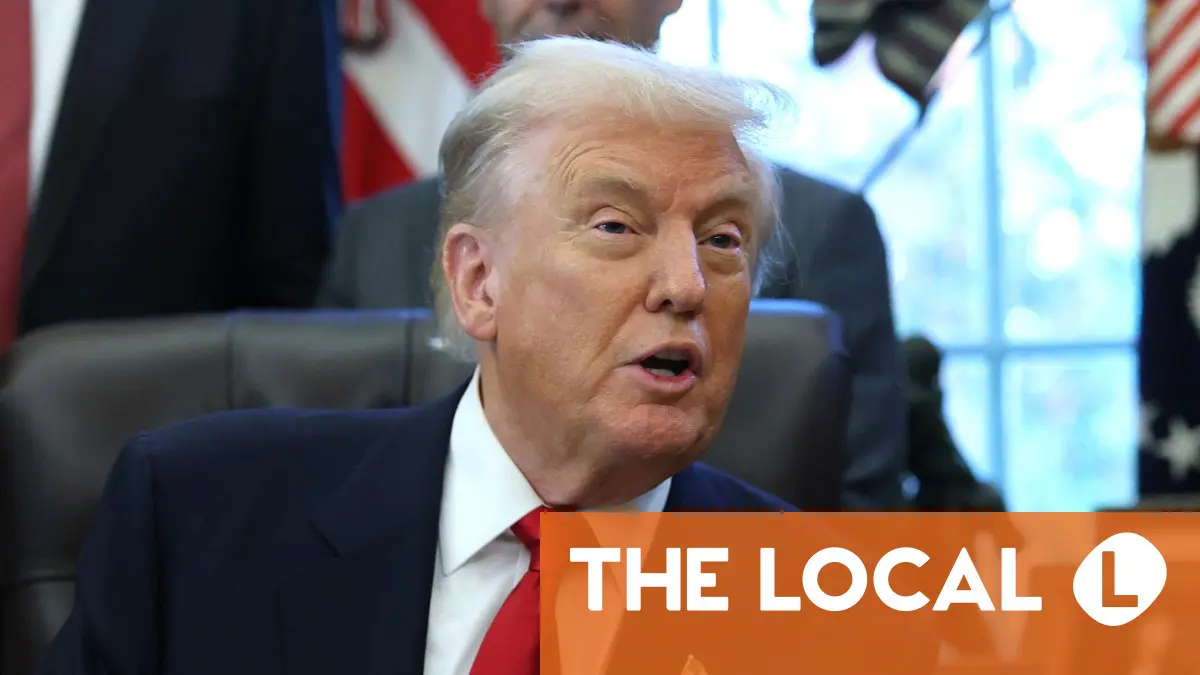
Trump’s Shifting Stance on France: A Look at the US-France Relationship
For years, the relationship between the United States and France has been a complex interplay of alliance, friction, and shifting priorities.Recently, former President Donald Trump reignited scrutiny of this dynamic with pointed comments during a Fox News interview. But what’s behind these remarks, and what do they signify for the future of US-French relations? This article dives deep into the history, current issues, and potential future of this crucial transatlantic partnership.
The Spark: Trump’s Recent comments
During a November 11th, 2025 interview with Fox News, Trump unexpectedly criticized France, stating, “We’ve had a lot of problems with the French.” This came in response to a question about Chinese students in US universities and accusations of espionage. When Fox News host Laura ingraham suggested China posed a greater threat, Trump surprisingly questioned whether France was any better.
This statement raises eyebrows given the often-publicized, albeit sometimes strained, “bromance” Trump shared with French President Emmanuel Macron. Their interactions were frequently marked by demonstrative gestures – firm handshakes, backslapping, and even knee-touches – for the cameras. But beneath the surface, disagreements simmered.
A History of Complex Interactions
The US-France relationship isn’t new to complexity. While historically strong allies, disagreements have always existed. Here’s a look at some key points of contention:
* Trade Disputes: Trump has consistently voiced concerns about French taxation policies, particularly those impacting US technology companies. He previously threatened “significant” tariffs on countries implementing what he deemed “discriminatory” digital taxes.
* Policy Differences: Macron’s advocacy for a Palestinian state and his commitment to climate policy clashed with Trump’s positions.These divergences highlighted basic differences in their worldviews.
* NATO Funding: Trump repeatedly pressured European nations, including France, to increase their contributions to NATO defense spending. He argued that the US was bearing an unfair share of the burden.
* Personal Dynamics: Even the public displays of camaraderie between Trump and Macron weren’t without tension.A notable incident involved Macron directly contacting Trump to address being blocked by the presidential convoy in New york.
The China Factor & Foreign Student Policy
The initial trigger for Trump’s comments revolved around foreign students,specifically those from China. Secretary of State Marco Rubio previously proposed aggressively revoking visas for Chinese students, citing security concerns. though, Trump later contradicted this stance, suggesting the US would allow 600,000 Chinese students to enter the country.
This flip-flopping highlights the internal debate within the US governance regarding the balance between national security and the economic benefits of international students. The question of whether France poses a similar risk, as Trump implied, remains a point of contention.
What Does This Mean for the Future?
Trump’s recent remarks signal a potential shift in US policy towards France. While it’s challenging to predict the long-term consequences, several scenarios are possible:
* Increased Trade Tensions: Renewed focus on French taxation policies could lead to further trade disputes and potential tariffs.
* Strain on Alliance: Critical comments could erode trust and cooperation on key issues like defense and security.
* Re-evaluation of NATO: Trump’s continued pressure on European nations to increase defense spending could further strain transatlantic relations.
* Focus on Bilateral Agreements: A move towards prioritizing bilateral agreements over multilateral cooperation could reshape the US-France dynamic.
Ultimately, the future of the US-France relationship will depend on a complex interplay of political factors, economic interests, and personal dynamics.
Evergreen Insights: The Enduring Importance of the US-France Alliance
Despite occasional disagreements, the US-France alliance remains fundamentally crucial.Both nations share a commitment to democratic values,a strong economic partnership,and a long history of cooperation on global security issues. France is a key ally in counterterrorism efforts, a vital partner in NATO, and a leading voice in the european Union.
Maintaining a strong relationship with France is crucial for the US to effectively address global challenges, from climate change to geopolitical instability. Recognizing the past meaning and shared interests of this alliance is paramount, even amidst periods of tension.
FAQ: Addressing Your Questions About US-France Relations
1. What is the main source of tension between the US and France currently?
Currently, trade policies, particularly regarding digital taxes
Worth a look