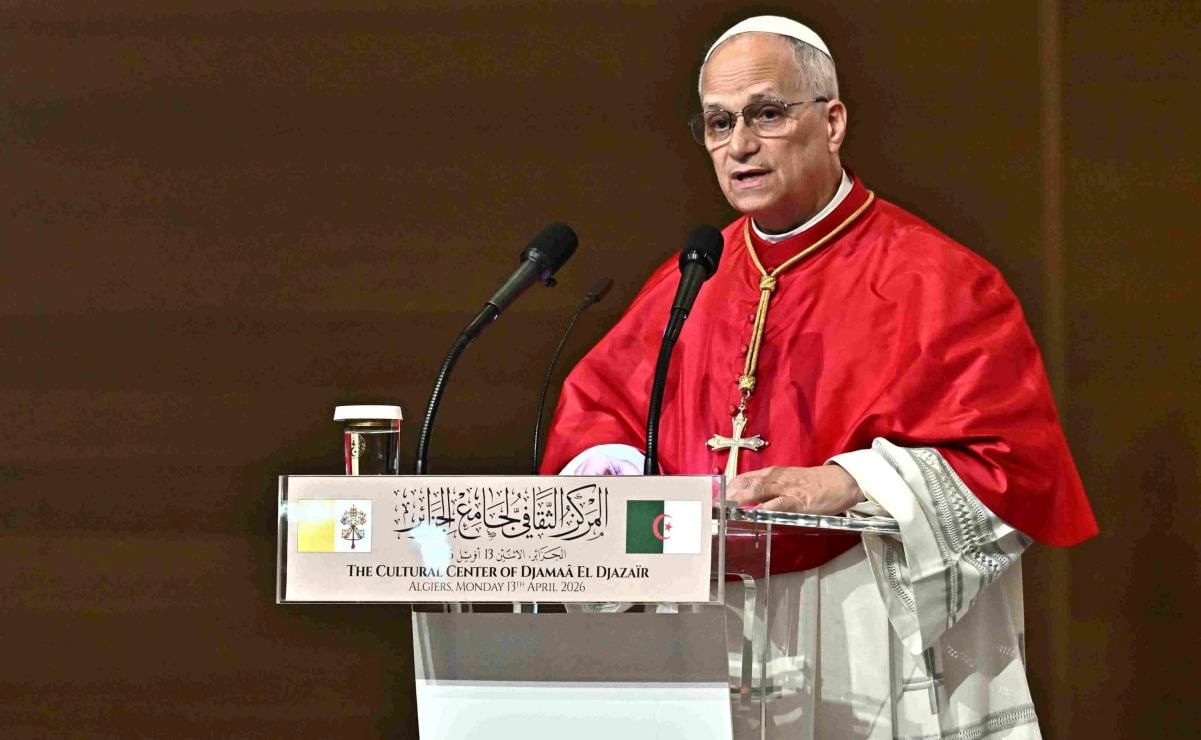
The relationship between the White House and the Vatican has reached a new low as Pope Leo XIV, and U.S. President Donald Trump engage in a public and increasingly personal dispute. The tension, centered on the ongoing war with Iran, has evolved from a disagreement over foreign policy into a series of sharp exchanges involving accusations of political bias and claims of weakness.
The conflict between Pope Leo XIV and Donald Trump intensified this week after the pontiff, the first American to hold the papacy, pushed back against the president’s criticism of his peace-seeking stance. The dispute comes at a critical geopolitical juncture, following a two-week ceasefire with Iran that was preceded by aggressive rhetoric from the U.S. Administration.
At the heart of the friction is the Pope’s vocal opposition to violence and his calls for reconciliation. While the Vatican has emphasized a message of peace rooted in the Gospel, President Trump has characterized this approach as dangerous, arguing that the Pope’s position undermines U.S. National security and foreign policy objectives regarding Iranian nuclear capabilities.
A Clash of Ideologies Over the Iran War
The current rift was triggered by the Pope’s condemnation of President Trump’s rhetoric toward the Iranian people, which Leo XIV described as “truly unacceptable.” This critique followed a threat from Trump that “a whole civilization will die tonight,” a statement made shortly before a temporary ceasefire was established according to CNN.
President Trump did not mince words in his response, stating on Sunday evening that he is “not a fan of Pope Leo.” The president specifically targeted the Pope’s views on nuclear proliferation, claiming that Leo XIV is “terrible for foreign policy” and suggesting that the pontiff believes It’s acceptable for Iran to possess nuclear weapons. Trump told reporters that he does not believe the U.S. Should be “toying with a country that wants a nuclear weapon so they can blow up the world.”
The Pope, however, has remained steadfast. Speaking to reporters aboard his plane as he departed for an apostolic trip to the African continent, Pope Leo XIV stated, “I have no fear of the Trump administration or speaking out loudly of the message of the Gospel, which is what I believe I am here to do, what the church is here to do.” He further clarified that the church does not approach foreign policy from the same perspective as political leaders, emphasizing his role as a “peacemaker.”
Personal Attacks and Social Media Controversies
The dispute has expanded beyond the borders of the Middle East, with President Trump leveling personal attacks against the Pope’s character and political leanings. In various social media posts and public comments, Trump described Pope Leo XIV as “very liberal” and urged the pontiff to “stop pleasing the Radical Left” as reported by Telemundo.
Adding to the tension, Trump accused the Pope of being “weak on crime,” a critique rarely directed at a head of the Catholic Church. When questioned by reporters at the White House on Monday, Trump refused to apologize for his comments, stating, “He [the Pope] made it public… I’m only responding to Pope Leo.”
The friction was further complicated by a now-deleted social media post from the president. The post featured an image of Trump depicted as Jesucristo (Jesus Christ). When pressed for an explanation, the president claimed he had mistakenly believed the image portrayed him as a medical doctor or a healer via AP News.
The Global Context: An American Pope on the World Stage
The dynamic of this conflict is unique due to the identity of the current pontiff. As the first American-born pope, Leo XIV occupies a position that intersects with U.S. National identity and global religious leadership. His willingness to publicly challenge a U.S. President marks a significant departure from traditional diplomatic norms between the Holy Observe and Washington.
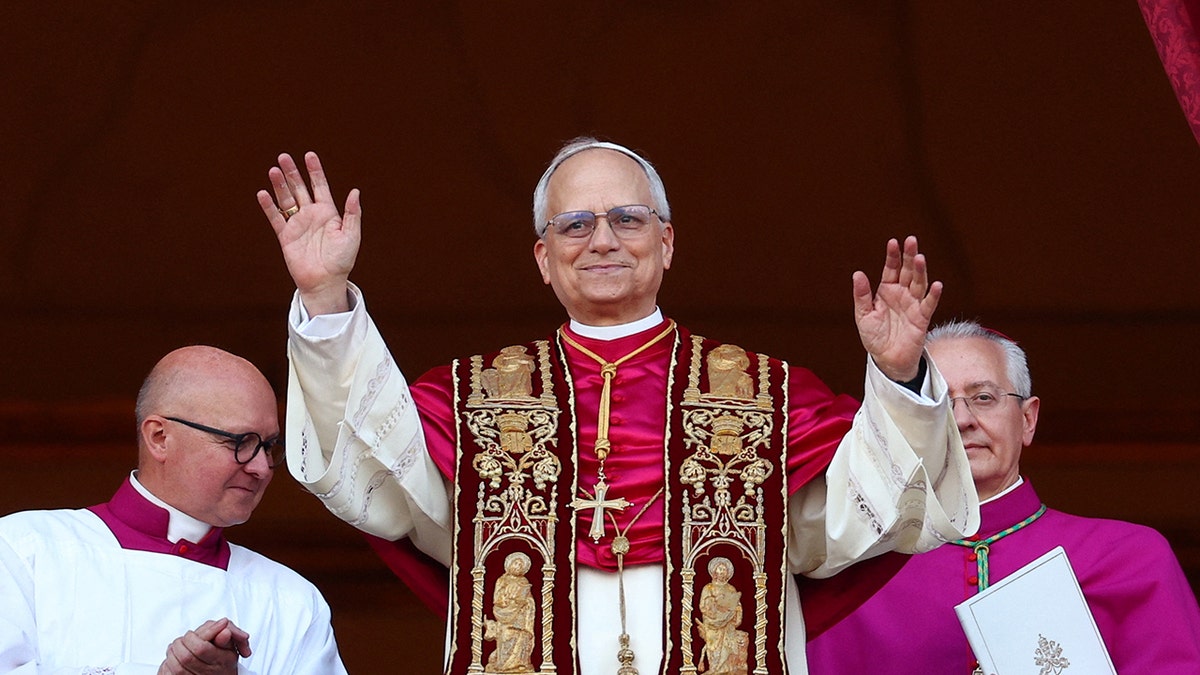
The timing of these exchanges is too notable, as they coincide with the Pope’s mission to Africa. Reports vary slightly on the duration of the trip, with some sources citing a 10-day journey and others, including AP, describing it as an 11-day apostolic visit starting April 13, 2026, with a stop at the Houari Boumédiène International Airport in Algiers.
For the global community, this clash represents a broader struggle between two competing visions of international relations: one based on a hardline, security-first approach to “rogue states” and another based on diplomatic reconciliation and religious ethics. The Pope’s insistence that he is “not a politician” serves as a reminder of the Vatican’s intent to operate outside the traditional constraints of geopolitical strategy.
Key Points of Contention
| Issue | President Donald Trump’s Position | Pope Leo XIV’s Position |
|---|---|---|
| Iran War | Hardline approach to prevent a nuclear Iran. | Seeking peace and rejecting violence. |
| Foreign Policy | Views the Pope as “terrible” and “weak” in this area. | Focuses on the Gospel and peacemaking. |
| Political Alignment | Claims the Pope is “very liberal” and favors the “Radical Left.” | Claims the church is not political and follows the Gospel. |
| Rhetoric | Uses aggressive language toward Iranian civilization. | Condemns such rhetoric as “truly unacceptable.” |
As Pope Leo XIV continues his journey across Africa, the world will be watching to see if the diplomatic channels between the Vatican and the White House can be restored, or if this ideological divide will continue to widen. The next confirmed checkpoint for the pontiff is the conclusion of his apostolic trip to Africa, which began on April 13.
Do you believe religious leaders should intervene in foreign policy disputes, or should they remain neutral? Share your thoughts in the comments below and share this story with your network.
Related reading