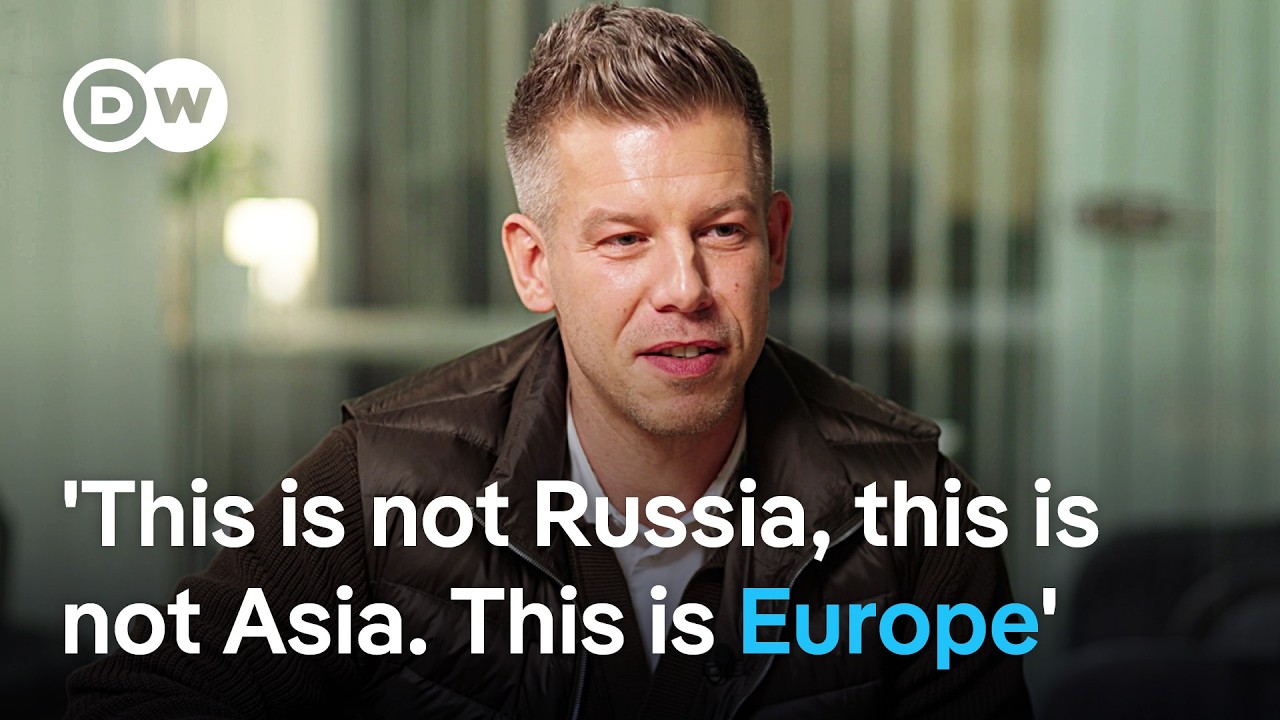
The political landscape of Central Europe has undergone a seismic shift following the latest Hungarian election results 2026, marking the end of one of the most enduring and controversial leaderships in the European Union. In a decisive turn of events, Péter Magyar has secured a clear victory in the parliamentary elections, defeating the incumbent Prime Minister Viktor Orbán.
The result signals a dramatic conclusion to Viktor Orbán’s 16-year tenure at the helm of the Hungarian government. For over a decade and a half, Orbán’s administration was defined by a distinct approach to governance and a complex relationship with Brussels, often positioning Hungary as a dissenting voice within the EU. The victory of Péter Magyar represents not only a change in leadership but a potential pivot in Hungary’s domestic and foreign policy trajectories.
This transition of power is already sending ripples across the continent, particularly regarding the security architecture of Eastern Europe and the ongoing conflict in Ukraine. As Budapest prepares for a change in administration, international observers are analyzing the immediate implications for regional stability and the shifting dynamics of European geopolitics.
A New Era for Budapest: The Rise of Péter Magyar
The victory of Péter Magyar in the parliamentary elections marks a significant departure from the status quo that has dominated Hungarian politics since 2010. By winning clearly against the long-serving Prime Minister, Magyar has tapped into a desire for political renewal within the Hungarian electorate.
The scale of the defeat for Viktor Orbán, who had maintained a tight grip on power for 16 years, suggests a substantial shift in voter sentiment. While the specifics of the transition are still unfolding, the result indicates a mandate for a new direction in the management of the Hungarian state. Comprehensive coverage of the election process and its immediate aftermath has been tracked by international outlets, including Deutsche Welle (DW), which has provided multilingual reporting on the volatility and eventual outcome of the vote.
Geopolitical Implications: Relief in Kyiv and the Russian Connection
Perhaps the most immediate international reaction to the Hungarian election results 2026 has come from Ukraine. In Kyiv, the defeat of Viktor Orbán is being viewed with significant optimism. Under Orbán, Hungary often served as a bottleneck for EU-wide initiatives and military aid destined for Ukraine, frequently leveraging its veto power within the European Council to extract concessions or signal alignment with non-Western interests.
According to reporting by the Frankfurter Rundschau, there is a palpable sense of relief in Kyiv, as the removal of Orbán from power is expected to streamline European support for Ukraine and remove a primary internal obstacle to EU cohesion on security matters.
the result is being interpreted as a strategic loss for Russian influence within the European Union. Orbán was widely regarded as one of the Kremlin’s most effective allies in the West, often echoing Russian narratives and maintaining close energy and political ties with Moscow. With Magyar’s ascent, the “best man” for Russian interests in Europe—as some analysts have described the former Prime Minister—is no longer in a position to steer the policies of an EU member state.
What Happens Next for Hungary and the EU
As Péter Magyar prepares to assume leadership, the focus now shifts to how the new government will navigate its relationship with the European Commission. Hungary has long been at odds with Brussels over the rule of law, judicial independence, and democratic standards, leading to the freezing of billions of euros in EU recovery funds.
The new administration faces several immediate challenges:
- EU Fund Recovery: Negotiating the release of frozen funds by demonstrating a commitment to the rule of law.
- Foreign Policy Alignment: Realigning Hungary’s stance on Ukraine and Russia to be more consistent with the broader EU and NATO consensus.
- Domestic Reform: Addressing the institutional legacy of the previous 16-year administration to restore democratic checks and balances.
The transition comes at a critical juncture for the European project, as the bloc seeks a unified front against external aggression and internal economic instability. The shift in Budapest may provide the EU with the cohesion it has lacked in recent years regarding Eastern European security.
| Feature | Previous Administration (Orbán) | Incoming Administration (Magyar) |
|---|---|---|
| Tenure/Status | 16 Years in Power | Newly Elected |
| EU Relationship | Frequent Conflict/Vetoes | Expected Realignment |
| Stance on Ukraine | Skeptical/Obstructive | Viewed as Supportive by Kyiv |
| Russian Ties | Close Strategic Alignment | Expected Pivot |
The international community will be watching closely as Péter Magyar outlines his first 100 days in office. The primary checkpoint for observers will be the first official diplomatic meetings between the new Hungarian leadership and the European Commission, where the roadmap for fund recovery and policy shifts will likely be established.
We invite our readers to share their perspectives on this historic shift in Central European politics in the comments below. Please share this article to keep the global community informed.
Related reading