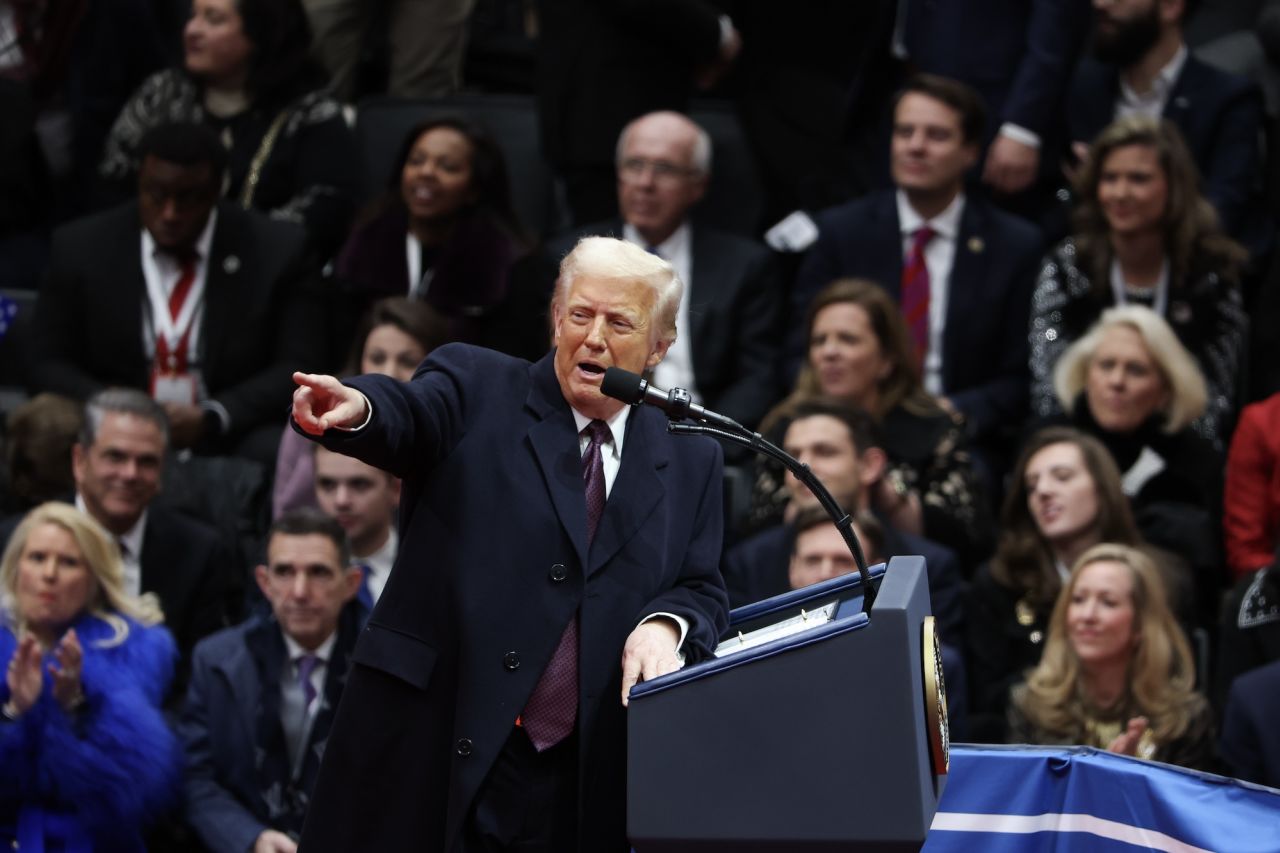
Former President Donald Trump has recently called for a $350 billion infusion into the Pentagon as part of a potential third reconciliation bill, while simultaneously pushing for a broad overhaul of federal election laws. The proposal, which has been linked to the legislative framework known as the “Save America Act,” faces significant procedural and political hurdles within the Republican-controlled legislative landscape, as key party appropriators have signaled that such an expansive reconciliation package is currently not a viable path forward.
This legislative push arrives as the Republican Party evaluates its strategy for upcoming fiscal negotiations. While the former president advocates for these specific funding and policy changes, senior members of the Senate Appropriations Committee have expressed skepticism regarding the feasibility of using the reconciliation process—a parliamentary maneuver that allows certain budget-related bills to pass with a simple majority—to achieve these ends. The disconnect between these executive-level demands and the practical realities of Senate floor management highlights a growing tension regarding the party’s fiscal and policy priorities.
Legislative Obstacles and the Reconciliation Process
The core of the current disagreement lies in the utility of the budget reconciliation process. While proponents of the $350 billion Pentagon boost argue that such a measure is essential for national security and defense modernization, senior Republican appropriators have publicly stated that a third reconciliation bill is “not an option.” According to reports from Federal News Network, the complexity of crafting a bill that meets the strict “Byrd Rule” requirements—which mandate that all provisions in a reconciliation bill must have a direct impact on the federal budget—creates a significant barrier for the inclusion of broad election reform measures.

The “Save America Act,” which has been cited in recent discussions, represents a sweeping set of proposed changes to how federal elections are administered. Policy experts note that incorporating such significant regulatory changes into a fiscal bill is procedurally difficult, as the Senate parliamentarian is tasked with stripping out any provisions that are deemed “extraneous” to the budget. This legal reality has led top-ranking defense-focused senators to prioritize standard appropriations processes over the more volatile route of a reconciliation package.
The Defense Funding Debate
The requested $350 billion increase for the Pentagon represents a substantial deviation from current defense baseline spending. This figure, while championed by the former president, has not been formally incorporated into the annual National Defense Authorization Act (NDAA) or the concurrent appropriations bills currently moving through committee. The Breaking Defense analysis indicates that even among defense hawks, there is a preference for predictable, long-term funding cycles rather than sudden, massive infusions that could disrupt established procurement schedules.
For the defense industry and military planners, the stability of the annual budget cycle is considered a primary operational requirement. While some members of the party argue that global security threats necessitate an immediate surge in spending, the legislative reality remains tied to the established budget caps negotiated in prior sessions. Any attempt to bypass these caps via a massive reconciliation bill would likely face intense scrutiny from fiscal conservatives who remain concerned about the national deficit.
Election Reform and Party Priorities
Beyond the defense budget, the push for an elections overhaul remains a central pillar of the party’s platform. The proposed reforms often focus on tightening voter identification requirements, limiting mail-in balloting, and increasing the oversight of ballot counting procedures. These policy goals are frequently discussed in tandem with fiscal legislation to ensure they receive a vote on the Senate floor.
However, the political landscape is further complicated by upcoming electoral cycles. For instance, Senator Susan Collins recently secured her position in an uncontested Republican Senate primary in Maine, as noted by local reporting from WGME. Such developments reflect a party that is balancing local constituent interests with national legislative mandates. The success of any overarching “Save America” style legislation would require near-unanimous support from a caucus that is currently divided on the wisdom of utilizing the reconciliation process for non-budgetary policy goals.
What Happens Next
The next major checkpoint for these legislative proposals will be the upcoming markup sessions for the fiscal year defense appropriations bills. Observers are watching to see if the proposed $350 billion increase is formally introduced as an amendment or if the party leadership opts to maintain the current spending trajectory established by the Senate Appropriations Committee.
There are currently no scheduled hearings specifically dedicated to the “Save America Act” as a standalone reconciliation vehicle. Instead, the focus remains on the standard appropriations process, which is expected to conclude before the end of the current fiscal year. Readers interested in tracking the progress of these specific policy proposals can monitor the official Senate Appropriations Committee website for updates on hearing schedules, committee reports, and bill text as they become available. Please feel free to share your thoughts or questions regarding these legislative developments in the comments section below.
Worth a look