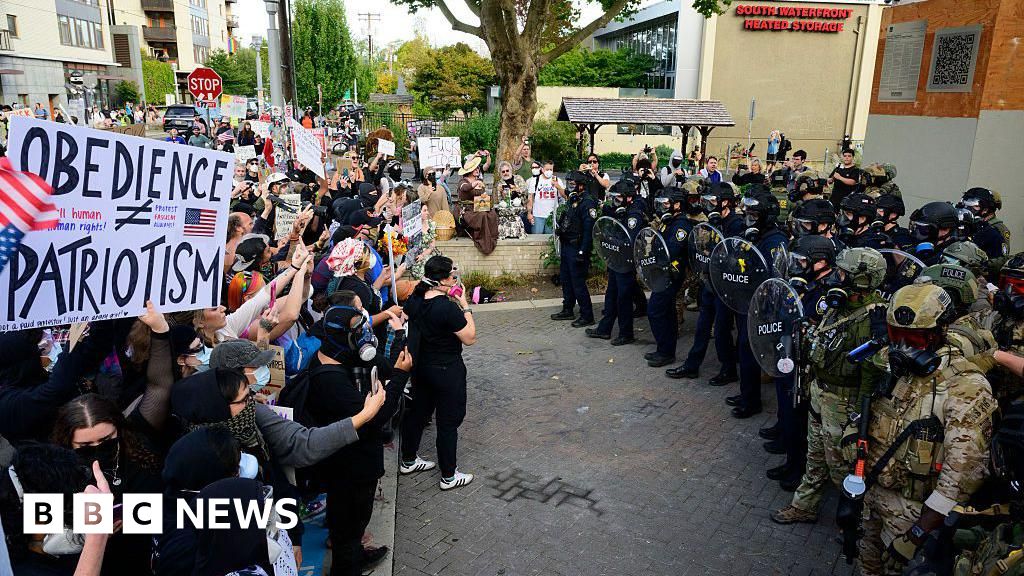
Trump Administration Faces Backlash Over National Guard Deployments to Portland, Chicago, and Beyond
The Trump administration is facing mounting criticism from state and local leaders over the deployment of National Guard troops to cities experiencing unrest, specifically Portland and Chicago. These actions, framed by the administration as necessary to protect federal assets and personnel, are being widely denounced as politically motivated overreach and an abuse of power. This article will break down the situation, the key players involved, and the legal challenges unfolding.
The Core of the Controversy: Federal Intervention in Local Matters
the current conflict centers around President Trump’s authorization of National Guard deployments – initially 300 troops to Chicago and now reportedly 400 to Illinois, Oregon, and other unspecified locations – ostensibly to quell violence linked to protests. However, governors and legal experts argue this bypasses established protocols and infringes upon states’ rights. Traditionally,deployment of the National Guard within a state is the purview of the state’s governor,not the federal government.
This isn’t a new pattern. The administration previously deployed National Guard troops to Los Angeles in June following protests related to increased immigration raids, a move then-Governor Newsom deemed unnecessary and escalatory. Now, those same troops are being re-deployed to Portland, further fueling the controversy.
What’s Happening in Each City?
Let’s look at the specific situations driving these deployments:
* Portland, Oregon: Portland has been a focal point of protests for months, initially sparked by federal law enforcement actions and the Trump administration’s increased immigration enforcement. The President has long targeted the city, alleging a concentration of “Antifa” (anti-fascist) activists, even designating the loosely organized movement as a domestic terrorist organization via executive order.
* Chicago, Illinois: Recent protests in Chicago, also stemming from increased immigration enforcement, turned violent on Saturday. Immigration authorities reported an incident where an armed woman allegedly rammed law enforcement vehicles with her car, and subsequently drove herself to the hospital after being shot.
* Los Angeles, California: As mentioned, the initial National Guard deployment to Los Angeles in June was met with resistance from Governor Newsom, who believed it inflamed tensions rather than resolving them. The administration now claims these troops are being repurposed for Portland.
The Accusations: Power Plays and Manufactured Crises
Critics are vehemently arguing that these deployments aren’t about public safety, but about political maneuvering.
Here’s what key figures are saying:
* Governor Gavin Newsom (California): Accuses the President of using the U.S. military as a “political weapon against American citizens” and ignoring the courts. He’s vowed to fight the deployments legally.
* Governor JB pritzker (Illinois): Claims Trump is “attempting to manufacture a crisis” and creating a “warzone” to justify further troop deployments. He believes the administration wants to incite further unrest.
* The Core Argument: The overarching concern is that the Trump administration is deliberately escalating tensions to justify a heavy-handed federal response, effectively turning American cities into testing grounds for authoritarian tactics.
legal Challenges and the Fight Ahead
Governor Newsom has pledged to challenge the deployments in court,arguing they represent a clear overstep of presidential authority. This legal battle will likely centre on the Posse Comitatus Act, which generally prohibits the use of the U.S. military for domestic law enforcement purposes.
You can expect to see arguments focusing on:
* The scope of the President’s authority: Can the President unilaterally deploy National Guard troops to states without the governor’s consent?
* The justification for deployment: Does the situation in these cities genuinely warrant federal military intervention?
* The potential for escalation: Will the presence of troops exacerbate tensions and lead to further violence?
What Does This Mean for you?
These events raise basic questions about the balance of power between the federal government and the states, and the role of the military in domestic affairs. As a citizen, it’s crucial to stay informed about these developments and understand the potential implications for your rights and freedoms.
The situation is rapidly evolving. We will continue to monitor the legal challenges, the response from state and local leaders, and the impact of these deployments on the ground.
Resources for Further Details:
* [BBCNews:Trump[BBCNews:Trump[BBCNews:Trump[BBCNews:Trump
Keep reading