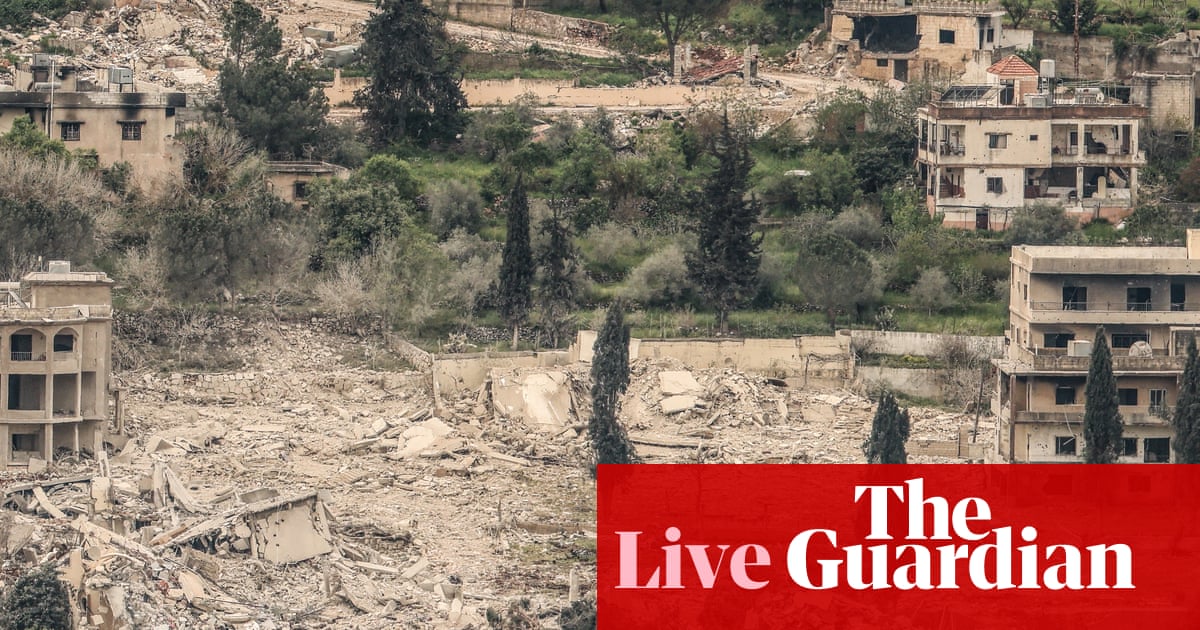
Diplomatic efforts to stabilize the region have reached a critical juncture as conflicting reports emerge regarding a proposed one-week ceasefire in Lebanon. Even as some regional media outlets suggest a truce is imminent, official confirmation remains elusive, leaving the Middle East crisis ceasefire Lebanon prospects in a state of precarious uncertainty.
The tension comes on the heels of intensive diplomatic activity in Washington, D.C., where the U.S. Administration hosted high-level talks between representatives from Israel and Lebanon. These meetings, aimed at curbing escalating hostilities, concluded with a significant breakthrough: both nations have agreed to enter into direct negotiations to resolve their disputes according to U.S. Officials.
Despite this agreement to talk, the immediate situation on the ground remains volatile. Discrepancies between media reports from opposing sides highlight the deep trust deficit that continues to plague the region, even as the Trump administration attempts to broker a lasting peace.
Conflicting Reports on Lebanon Ceasefire
The current instability is underscored by contradictory claims regarding a potential halt in fighting. Pro-Hezbollah media outlets have reported that a ceasefire is set to start tonight, suggesting a rapid shift toward a temporary truce. However, these claims are not mirrored in Israeli reports. some Israeli outlets indicate that the Israeli government has not yet decided on the issue of a one-week ceasefire.
This gap in communication is typical of the “information war” that often accompanies physical conflict in the region. For global markets and economic stability, such ambiguity is particularly concerning, as the threat of continued escalation impacts shipping lanes and regional investment. The lack of a synchronized announcement suggests that while the framework for direct negotiations is in place, the immediate operational details of a ceasefire remain a point of contention.
U.S. Diplomatic Strategy and DC Negotiations
The U.S. Administration has taken a central role in attempting to mediate the crisis, hosting the most recent round of talks in Washington. These efforts are part of a broader strategy to prevent a full-scale regional war, though the process has not been without external pressure. For instance, French President Emmanuel Macron has recently faced scrutiny over his own policies regarding Iran and Hezbollah as the U.S. Leads these diplomatic initiatives as reported by news outlets.
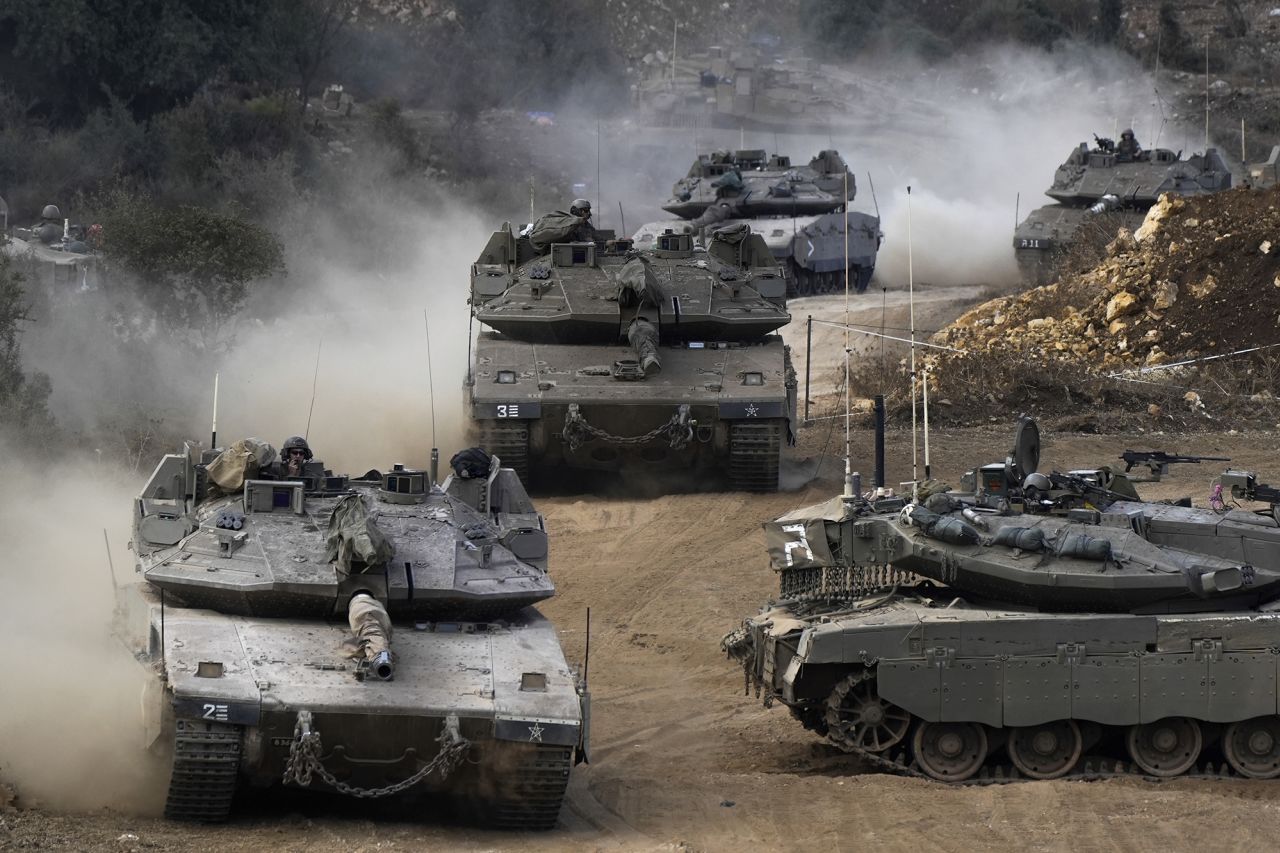
While the U.S.-mediated talks between Lebanon and Israel have officially ended via recent updates, the commitment to direct negotiations marks a pivot from indirect, mediator-led communication to a more direct diplomatic channel. This shift is often a prerequisite for any sustainable ceasefire agreement.
Key Takeaways from Recent Diplomatic Efforts
- Direct Dialogue: Israel and Lebanon have agreed to move toward direct negotiations following meetings in Washington, D.C.
- Ceasefire Ambiguity: Conflicting reports persist, with pro-Hezbollah sources claiming a truce begins tonight, while Israeli sources suggest no decision has been reached.
- U.S. Mediation: The Trump administration continues to lead the diplomatic push to stabilize the region and prevent broader escalation.
- Regional Friction: Tensions remain high involving Iran and NATO allies, complicating the path to a comprehensive peace.
Broader Geopolitical Tensions: Iran and NATO
The crisis in Lebanon cannot be viewed in isolation from the wider conflict involving Iran. Reports indicate that President Donald Trump has suggested that peace talks between the U.S. And Iran could potentially resume within the next two days. Such a development would be critical, as Iran’s influence over regional actors like Hezbollah is a central pillar of the current conflict.
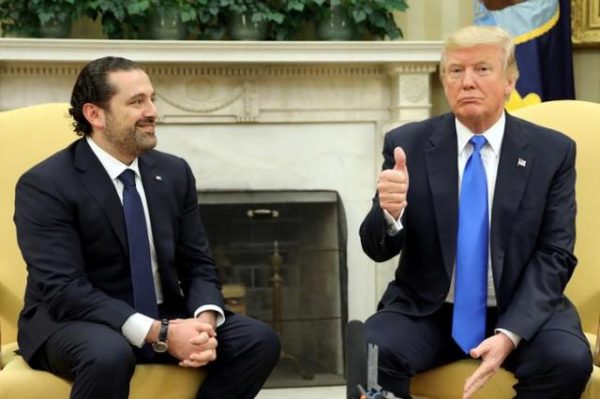
However, the path to peace is complicated by friction within the Western alliance. In a recent interview with Sky News, President Trump expressed disappointment that the UK and other NATO allies did not join the U.S. In its war against Iran when requested. This critique extends to the current UK leadership, with Trump criticizing Prime Minister Keir Starmer’s policies on immigration and energy.
From an economic perspective, this lack of unity among Western powers can lead to market volatility, particularly in energy sectors. The “special relationship” between the U.S. And the UK is described by Trump as being in a “poor state,” though he noted that this tension would not interfere with King Charles’ upcoming state visit to the United States.
What Which means for Global Stability
The intersection of a potential Lebanon ceasefire and the possibility of US-Iran talks creates a high-stakes environment. If a ceasefire is successfully implemented, it could provide the breathing room necessary for broader diplomatic breakthroughs. Conversely, if the conflicting reports result in a failed truce, the risk of a wider regional conflagration increases, potentially threatening global trade routes and energy prices.
The focus now shifts to whether the agreement for direct negotiations can translate into a concrete, verified ceasefire that is accepted by all parties. Without official confirmation from both the Israeli government and the Lebanese authorities, the reports of a “tonight” start date remain unverified.
The next confirmed checkpoint will be the outcome of the first direct negotiation sessions between Israel and Lebanon and any official government statements regarding the status of the proposed one-week ceasefire.
We invite our readers to share their perspectives on these diplomatic developments in the comments below. Please share this report to maintain your network informed on the evolving Middle East crisis.
Keep reading
- Best Touring Motorcycles & Scooters of 2026: Expert Buying Guide
- US Grosseto 1912 Seeks Mediation to Resolve Municipality Dispute
- BP Q2 Profit Hits $5.7 Billion Amid Trump Criticism of Big Oil Windfalls (time.news)
- Trump Administration Begins Systematic Appropriation of Japanese Manga (newsdirectory3.com)