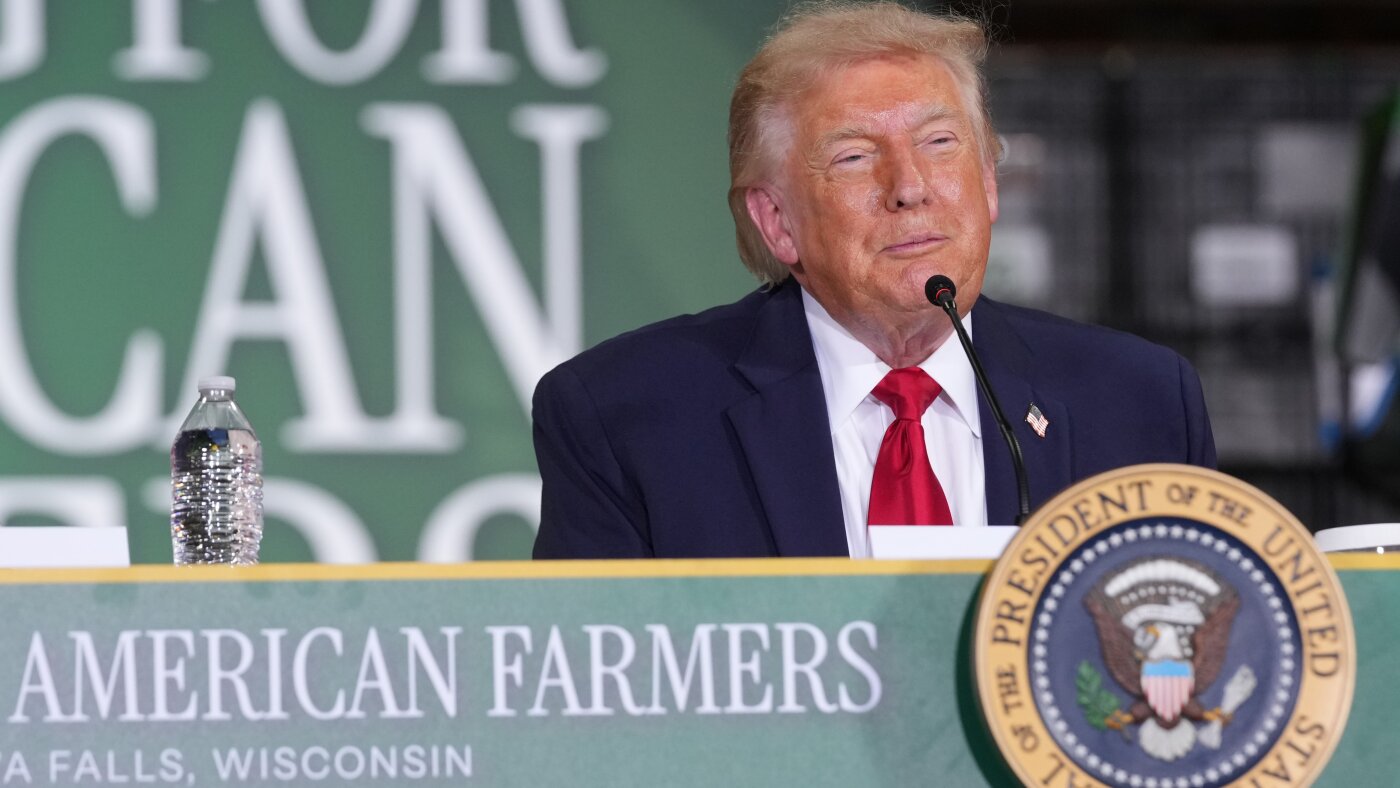
LONDON — June 8, 2026 President Donald Trump has rejected suggestions that his administration’s military actions against Iran violate his signature campaign promise of avoiding “no new wars,” a stance that has sparked debate among foreign policy experts and critics alike. With the U.S. reportedly escalating its response to a series of attacks attributed to Iranian-backed groups, Trump’s framing of the conflict as defensive rather than offensive has become a central point of contention in the lead-up to his potential third term.
In a series of remarks this week, Trump has emphasized that the U.S. actions are in response to “unprovoked aggression” and are designed to deter further hostilities. “We are not looking for war,” Trump stated during a press briefing at the White House on June 7, 2026. “But when you have a rogue regime like Iran attacking American interests and our allies, we have to respond with strength.” This rhetoric aligns with his 2024 campaign messaging, where he repeatedly vowed to avoid foreign entanglements while maintaining a tough stance on national security.
The current escalation follows a string of incidents, including drone strikes on U.S. military bases in Iraq and Syria, as well as attacks on commercial shipping in the Strait of Hormuz. While Trump has not publicly confirmed direct U.S. involvement in retaliatory strikes, reports from Reuters and BBC suggest a coordinated U.S. response involving airstrikes on Iranian proxy forces in the region. The White House has yet to provide a full accounting of the operations, citing operational security concerns.
Why the ‘No New Wars’ Pledge Is Under Scrutiny
Trump’s “no new wars” pledge has been a cornerstone of his political brand since his first presidential campaign in 2016. The promise resonated with voters weary of prolonged military engagements in Iraq and Afghanistan, and it became a defining feature of his foreign policy platform. However, critics argue that the current military actions—even if framed as defensive—represent a departure from this stance. “The line between defense and offense in these conflicts is often blurred,” said John B. Simpson, a senior fellow at the Council on Foreign Relations. “What starts as a response can quickly escalate into something far more expansive.”
Supporters of Trump’s approach, including some in his administration, contend that the strikes are narrowly targeted and designed to prevent broader conflict. “This is about de-escalation, not escalation,” an unnamed senior official told The Wall Street Journal. “We’re sending a clear message that aggression will not be tolerated, but we’re not seeking regime change or open-ended conflict.”
Yet, the timing of these actions—just months before a potential election—has raised eyebrows. Trump’s political opponents, including former President Joe Biden, have accused him of manufacturing a crisis to bolster his reelection prospects. “This is not about security; it’s about politics,” Biden said in a statement released on June 6, 2026. “The American people deserve better than a president who puts his own campaign ahead of their safety.”
How the Conflict Has Escalated: A Timeline
| Date | Event | U.S. Response |
|---|---|---|
| April 15, 2026 | Drone strikes on U.S. bases in Iraq and Syria attributed to Iranian-backed militias | Condemnation from White House; no immediate military action |
| May 10, 2026 | Attack on commercial shipping in the Strait of Hormuz; two crew members killed | U.S. Navy increases patrols in the region; sanctions announced against Iranian-linked entities |
| June 3, 2026 | Reports of U.S. airstrikes on Iranian proxy forces in Syria and Iraq | White House confirms “defensive measures” but provides no details |
| June 7, 2026 | Trump dismisses claims of breaking “no new wars” pledge during press briefing | Criticism from Democrats and foreign policy analysts intensifies |
The most recent escalation—reportedly involving precision airstrikes on training camps and weapons depots used by Iranian-backed groups—has drawn particular scrutiny. While the Trump administration has avoided direct attribution, intelligence sources cited by The New York Times suggest that the U.S. has expanded its target list beyond immediate threats to include facilities linked to long-range missile development. This shift has alarmed regional allies, who fear it could provoke a broader Iranian response.
What Happens Next: Key Stakeholders and Uncertainties
The immediate focus is on whether Iran will respond directly to the U.S. strikes. Analysts at Chatham House warn that Tehran may seek to retaliate through proxy attacks or by further disrupting oil shipments in the Persian Gulf. “Iran has a history of calculated responses,” said Dr. Ali Vaez, director of the Iran Project at International Crisis Group. “They will likely avoid direct confrontation with U.S. forces but will escalate pressure through non-state actors.”
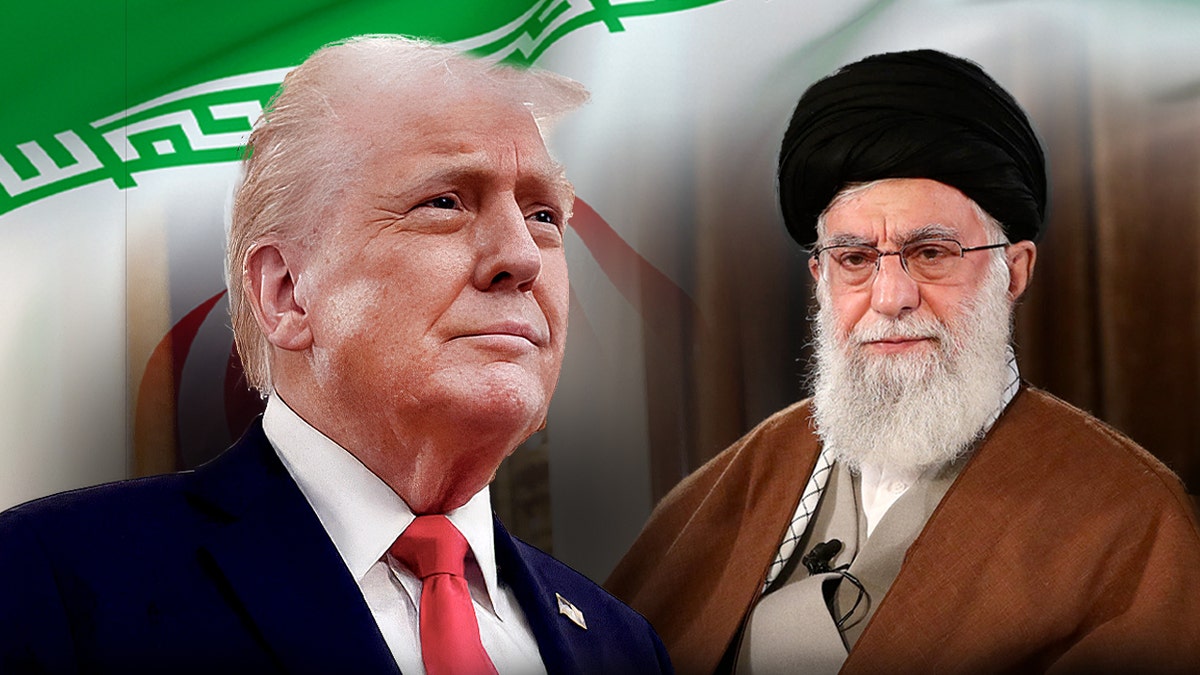
For Trump, the political fallout may be just as significant. Polls suggest that while a majority of Americans support a firm response to Iranian aggression, there is growing unease about the potential for an open-ended conflict. A recent Pew Research Center survey found that 58% of respondents oppose “another long-term military engagement in the Middle East,” even if it is framed as defensive. This could complicate Trump’s efforts to position himself as a strong leader on national security ahead of the 2026 election.
Internationally, allies such as the United Kingdom and France have urged restraint, fearing that further escalation could destabilize the region. “We must avoid actions that could spiral into a wider conflict,” UK Foreign Secretary James Cleverly stated in a June 5 statement. “Diplomacy must remain the priority.” The European Union has also called for an emergency meeting of the UN Security Council to address the situation.
Who Is Affected—and How?
The human cost of this escalation is already being felt. In Iraq, where Iranian-backed militias operate with relative impunity, civilians have borne the brunt of the violence. The Iraq Body Count project reports that at least 47 civilians have been killed in militia-related attacks since January 2026, with many more injured. The U.S. strikes, while targeted, have also resulted in collateral damage, including the destruction of a market in Deir ez-Zor, Syria, which killed at least 12 people, according to Al Jazeera.
Economically, the tensions are exacerbating global energy markets. Oil prices have risen by nearly 10% since the start of the year, with the Bloomberg Commodity Index reaching its highest level since 2022. This has particular implications for developing nations, many of which rely on imported oil. The World Bank has warned that prolonged instability in the region could push millions into poverty, particularly in countries like Egypt and Turkey, which are already grappling with economic downturns.
For the U.S. military, the situation presents a logistical challenge. Troops in the Middle East are already stretched thin, with ongoing operations in Yemen, Somalia, and the Red Sea. The U.S. Department of Defense has reportedly requested additional funding to support these operations, though Congress has yet to approve the request. Meanwhile, service members and their families are growing anxious about the prospect of further deployments.
What Trump’s Rhetoric Reveals About His Foreign Policy
Trump’s insistence that the current actions do not constitute a “new war” reflects a broader pattern in his foreign policy approach: a preference for limited, high-impact military operations over large-scale deployments. This strategy, often dubbed “Trumpism 2.0,” has been characterized by a mix of aggressive posturing and selective engagement. “He wants to project strength without getting bogged down in nation-building,” said Elbridge Colby, a senior fellow at the Brookings Institution. “But the risk is that these limited strikes can have unintended consequences.”
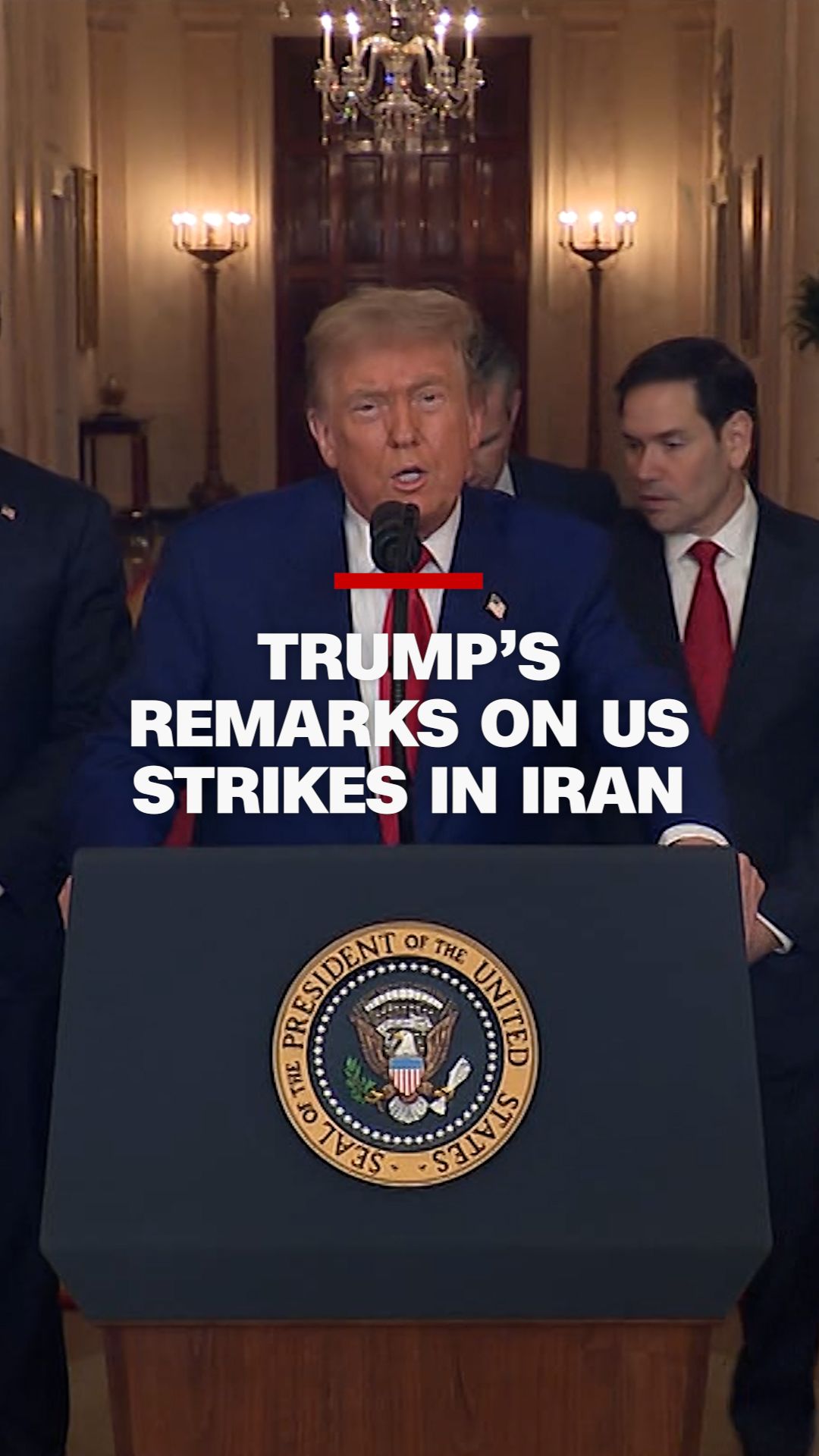
Historically, Trump’s foreign policy has been marked by abrupt shifts—from his decision to withdraw U.S. troops from Syria in 2019 to his subsequent authorization of the assassination of Iranian General Qasem Soleimani in 2020. The current situation mirrors that volatility, with critics arguing that his administration’s lack of a clear, long-term strategy is increasing the likelihood of miscalculation. “There’s no grand strategy here, just reactive measures,” said Stephen M. Walt, a professor at Harvard’s Kennedy School. “That’s a recipe for disaster.”
Supporters, however, argue that Trump’s approach is pragmatic. “He’s not looking to overthrow regimes or occupy countries,” said Kimberly Kagan, founder of the Institute for the Study of War. “He’s focused on protecting American lives and interests without getting us into endless wars.” This perspective aligns with Trump’s base, which has consistently prioritized reducing U.S. military involvement abroad.
Next Steps: What to Watch For
The next critical checkpoint will be Iran’s response to the recent U.S. actions. Intelligence agencies are monitoring Iranian military movements, particularly around the country’s nuclear facilities and its Revolutionary Guard Corps bases. The CIA has reportedly assessed that Iran is unlikely to launch a full-scale military retaliation but may increase its support for proxy groups in Iraq, Syria, and Lebanon.
Domestically, the focus will shift to the upcoming congressional hearings on the Middle East strategy, scheduled for June 15, 2026. Lawmakers are expected to grill administration officials on the specifics of the recent strikes, the potential for further escalation, and the broader implications for U.S. policy in the region. Meanwhile, Trump is set to deliver a major foreign policy address on June 12, where he is expected to outline his vision for de-escalation.
For readers seeking official updates, the following resources provide real-time information:
- White House Briefing Room – For official statements and press releases.
- U.S. Department of State – For diplomatic updates and travel advisories.
- U.S. Department of Defense – For military operations and security briefings.
- United Nations – For international responses and Security Council statements.
As the situation evolves, World Today Journal will continue to provide in-depth coverage, including expert analysis and firsthand reporting from the region. We encourage readers to share their perspectives and questions in the comments below, and to follow our Middle East coverage for further updates.
Keep reading