
As the American political landscape shifts toward the 2026 midterm cycle, former President Donald Trump has begun exerting his influence over key gubernatorial contests. By wading into Republican primaries in states such as South Carolina, Iowa, and Oklahoma, Trump is signaling an intent to shape the party’s executive branch leadership well before the general election ballots are cast. These endorsements serve as a barometer for his continued sway over the Republican base, particularly as he seeks to support candidates who align closely with his “America First” platform.
In South Carolina, the political maneuvering has intensified with Trump’s formal endorsement of Lieutenant Governor Pamela Evette. This move has drawn significant attention, particularly regarding its implications for the state’s internal GOP dynamics and the broader landscape of Southern conservative politics. For voters and political observers, these interventions underscore the enduring, albeit complex, role the former president plays in selecting the next generation of party standard-bearers at the state level.
The South Carolina Dynamic: A Strategic Endorsement
The decision to back Pamela Evette in the South Carolina gubernatorial race carries weight beyond a simple nod of approval. Evette, who has served as the lieutenant governor since 2019, has been a visible figure in state politics, and her alignment with the former president is now a central feature of her campaign narrative. The South Carolina Office of the Lieutenant Governor continues to manage its constitutional duties, but the focus has now shifted toward the upcoming primary season where the endorsement will be tested against other potential contenders.
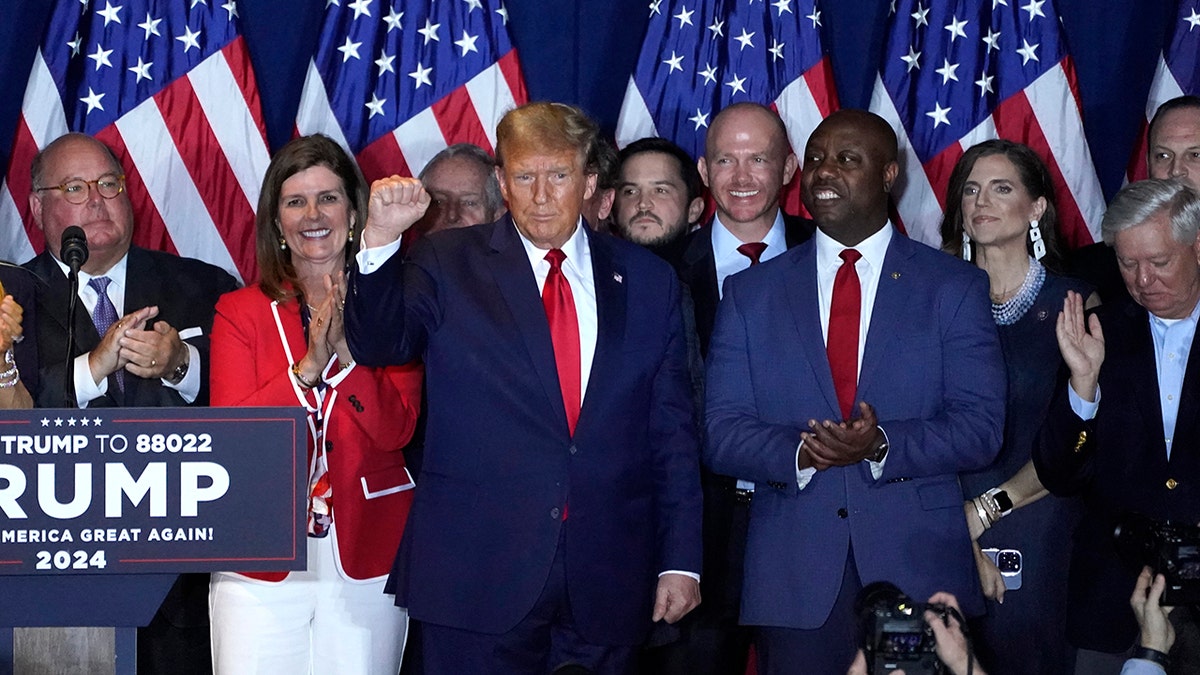
This endorsement is particularly notable because it places a clear marker in a state that remains a crucial stronghold for the Republican Party. By choosing to support a sitting official, the former president is opting for continuity and loyalty, a strategy he has frequently employed to consolidate power within the GOP. Political analysts note that such endorsements are designed to discourage primary competition and streamline the party’s resources toward the eventual nominee. According to data provided by the South Carolina State Election Commission, the filing requirements for the 2026 cycle will be the next major hurdle for candidates looking to solidify their presence on the ballot.
Navigating the 2026 Gubernatorial Primaries
Beyond the Palmetto State, the broader strategy involving Iowa and Oklahoma indicates that the former president is looking to solidify his footprint in the Midwest and the South simultaneously. In Iowa, the political climate remains highly competitive, with a history of influential caucus-driven movements that often dictate national trends. Similarly, in Oklahoma, Republican voters have historically maintained a conservative legislative agenda, and the introduction of high-profile endorsements is expected to influence the debate over fiscal policy and state governance.
These primary contests are not merely about local leadership; they represent a continuation of the ideological battle within the Republican Party. As reported by the Reuters news agency, the ability of a candidate to secure an endorsement from Donald Trump often becomes the defining issue of their campaign, forcing opponents to either embrace or distance themselves from the former president’s influence. This creates a high-stakes environment where the primary becomes a proxy for the party’s future direction, impacting everything from education policy to infrastructure spending.
What This Means for Republican Voters
For the average voter, these endorsements clarify the choice presented in the primary ballot. When a major political figure like Donald Trump enters a race, it effectively narrows the field by signaling to donors and activists where the institutional support lies. However, this also carries risks; in several past instances, endorsed candidates have faced significant backlash from moderate wings of the party, leading to tight general election contests. The Republican National Committee has remained focused on unifying the party, but the internal friction created by these primaries is a reality that party leadership must navigate as they look toward the 2026 midterms.
Voters should look to official state election websites for verified information on candidate registration and debate schedules as they become available. Engaging with local party committees is often the most effective way to understand how these national endorsements are being interpreted at the grassroots level. It is essential for citizens to distinguish between campaign rhetoric and the actual policy platforms that will govern their states, as the executive role in state government carries significant authority over local legislation and administrative oversight.
Looking Ahead: The Path to the 2026 Midterms
As we move closer to the election season, the next confirmed checkpoint will be the official filing deadlines set by the respective state election boards. In South Carolina, as in other states, the Ballotpedia database provides a comprehensive look at the upcoming deadlines and the status of various candidates as they enter the race. These dates are critical, as they mark the transition from the “exploratory” phase of a campaign to the official, ballot-certified stage.

The influence of presidential endorsements will continue to be a primary narrative in the months ahead. Whether these moves will ultimately lead to a more unified party or deeper internal divisions remains to be seen. As a journalist, I will continue to track these developments, ensuring that our readers have access to the most accurate, fact-based reporting on how these candidates plan to address the challenges facing their constituents. We invite you to share your thoughts in the comments section below and join the ongoing conversation about the future of American state-level politics.
Jonathan Reed serves as the Editor of the News section at World Today Journal. With over 16 years of experience, he provides in-depth analysis on international affairs and domestic political developments.