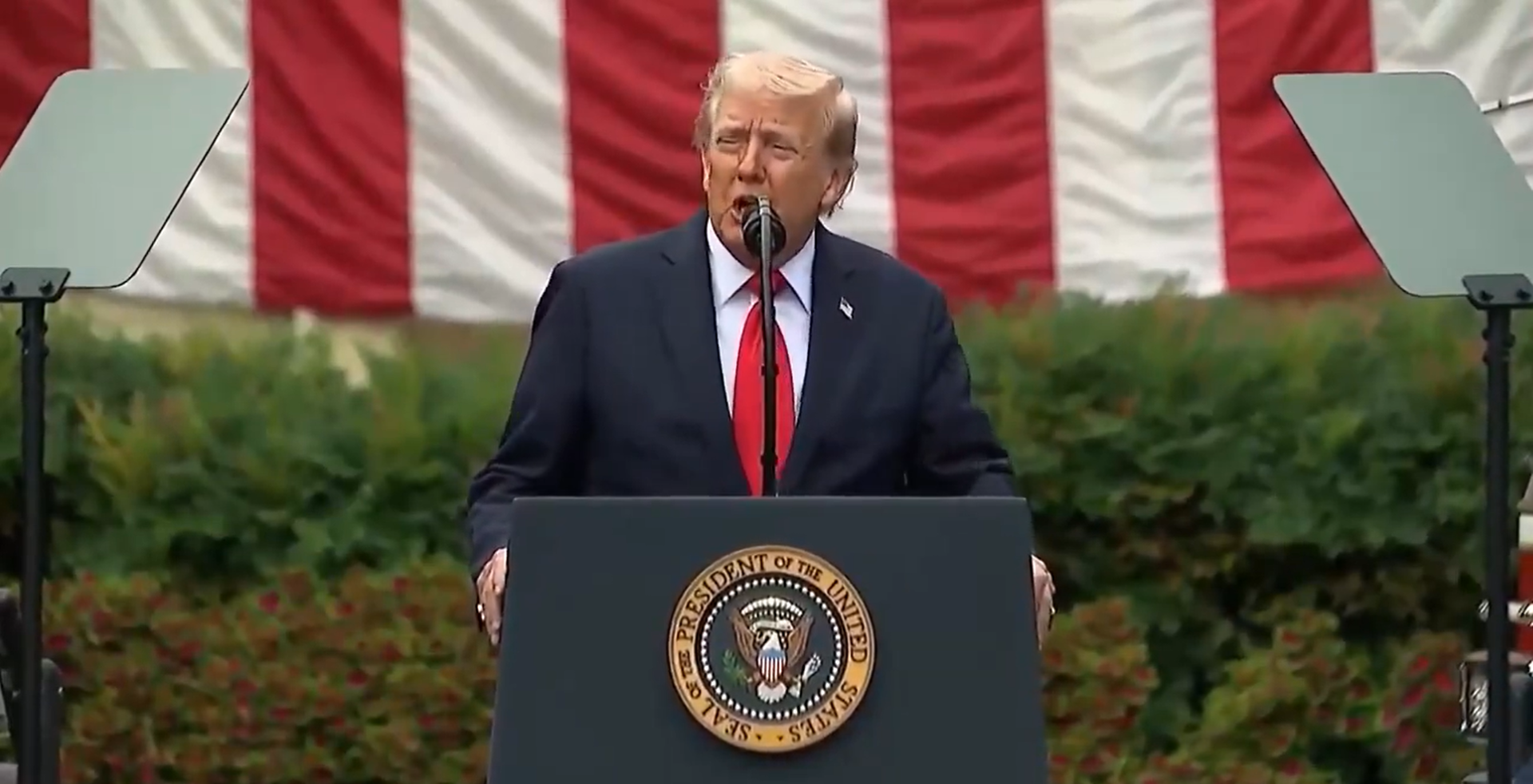
Trump Announces End to TPS for somali Immigrants in Minnesota: A Deep Dive into the Policy, Implications, and Legal Challenges
The landscape of US immigration policy shifted dramatically on November 22, 2025, with former President Donald Trump’s announcement to terminate Temporary Protected Status (TPS) for Somali immigrants residing in minnesota. This decision, delivered via his Truth Social platform, frames the move as a crime prevention measure, alleging involvement of “Somali gangs” in local harm and calling for their immediate repatriation. But what does this mean for the affected individuals, the state of Minnesota, and the broader context of US immigration law? This article provides a complete analysis of the situation, exploring the history of TPS, the current conditions in Somalia, the potential legal battles ahead, and the wider implications of this policy shift.
Understanding Temporary Protected Status (TPS)
Temporary Protected Status is a vital humanitarian program established by the Immigration Act of 1990. It offers refuge to individuals already in the United States who are unable to safely return to their home countries due to exceptional and temporary conditions. These conditions can include ongoing armed conflict, natural disasters, or other compelling circumstances that prevent safe repatriation. Crucially, TPS isn’t a pathway to permanent residency; it provides temporary relief from deportation and authorization to work. The program is regularly reviewed and can be extended, modified, or terminated based on evolving conditions in the designated country. According to the Department of Homeland Security (DHS), as of March 31st, approximately 705 Somali individuals had approved TPS applications, with an estimated 4,300 possibly becoming eligible with an extension. (Congressional Record).
The Situation in Somalia: Why TPS Was Initially Granted
Somalia’s history is marked by decades of instability. The initial granting of TPS to Somalis in 1991 stemmed from the aftermath of a brutal civil war that fractured the nation. While periods of relative calm have occurred,the country has remained deeply challenged by ongoing conflict,particularly with the Al-Qaeda-linked insurgent group,Al-Shabaab. recent reports (within the last 6 months) from the United Nations Assistance Mission in Somalia (UNSOM) indicate that Al-Shabaab, despite territorial losses, continues to pose a significant threat, launching offensives and conducting attacks throughout the country. The security situation remains volatile,hindering the safe return of displaced populations and those seeking refuge abroad. Moreover, Somalia faces recurring climate shocks, including droughts and floods, exacerbating humanitarian crises and contributing to internal displacement. The July 2024 extension of TPS acknowledged these “conditions in Somalia that prevent individuals from safely returning” (DHS).
Trump’s Policy and the Broader immigration Crackdown
This decision to terminate TPS for Somalis in Minnesota isn’t an isolated event. It’s part of a broader pattern during the Trump administration characterized by a sweeping immigration crackdown. Similar actions have been taken to strip TPS protections from nationals of Afghanistan, Haiti, South Sudan, Venezuela, and other countries. These actions have consistently faced legal challenges, and this latest directive is widely expected to be contested in court.
Beyond TPS, the administration also announced a drastic reduction in the number of refugees the US will admit in fiscal year 2026, capping it at 7,500 – a significant decrease from the over 100,000 admitted annually under the Biden administration. This represents a historic low in US refugee admissions, raising concerns among humanitarian organizations and advocates for displaced populations. (Migration Policy Institute, November 2025 report).
Minnesota’s Somali Community: A vital Part of the State
minnesota is home to the largest Somali population in the United States, with significant cultural and economic contributions to the state. The Somali community has enriched Minnesota’s diversity and played a crucial role in various sectors, including healthcare, education, and entrepreneurship. The termination of TPS will disproportionately impact this community, creating uncertainty and fear for families who have built lives in Minnesota.
The announcement also included unsubstantiated accusations against Minnesota Governor Tim Walz,alleging “laundering activity,” and continued attacks on representative Ilhan Omar,a Somalia-born Democrat,echoing previous calls for her to “go back!” to Somalia. These statements are widely seen as divisive and inflammatory, further fueling anti-immigrant sentiment.
Legal Challenges and Potential Outcomes
Legal experts anticipate swift and robust legal challenges to Trump’s decision.Past attempts to terminate TPS have been met with lawsuits arguing that the administration failed to adequately consider the conditions in the affected countries and violated due process rights. Organizations like the American Civil Liberties Union (ACLU) and the
Related reading