
Iran’s government has accused the United States of using the extension of a ceasefire agreement as a pretext to prepare for a military strike, asserting that Iran must respond with military action. This accusation comes amid heightened tensions in the Strait of Hormuz, where both nations have traded accusations of violating the temporary truce that has prevented direct conflict since April 2026.
According to Iranian officials, the U.S. Decision to prolong the ceasefire — reportedly at Pakistan’s request — is not a genuine diplomatic effort but a tactical maneuver to gain time for potential offensive operations. The Iranian Foreign Ministry stated that any perception of U.S. Restraint is misleading and that Tehran remains prepared to defend its sovereignty and regional interests, particularly its control over vital maritime chokepoints.
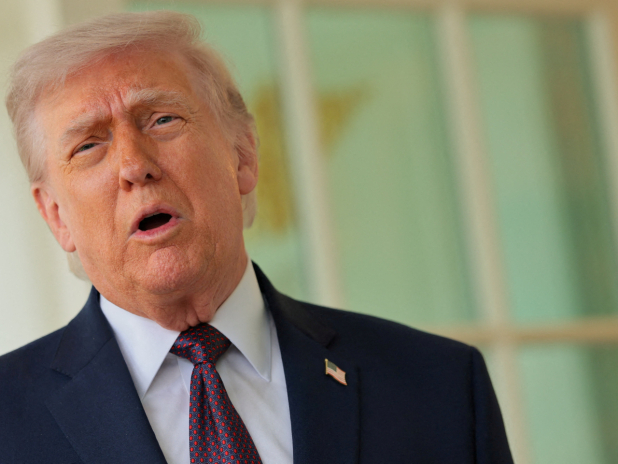
The White House has not publicly detailed the specific terms of the ceasefire extension, but confirmed that President Donald Trump announced the prolongation on April 21, 2026, citing Pakistan’s mediation efforts. Vice President JD Vance was reportedly involved in the diplomatic outreach, though his planned visit to Pakistan was later canceled, according to reports from Pakistani and U.S. Sources.
Meanwhile, U.S. Officials have maintained that negotiations with Iran are progressing constructively, particularly regarding uranium enrichment levels and stockpile limits. A senior administration official told Axios on April 18 that without a breakthrough, hostilities could resume “within days,” underscoring the fragility of the current de-escalation.
Iran’s military has responded to the diplomatic uncertainty by showcasing its defensive capabilities, including a public display of ballistic missiles and announcements of a national military parade titled “Demonstrating National Strength.” State media emphasized that Iran’s armed forces remain fully in control of the Strait of Hormuz and have restored previous levels of naval presence in the waterway following perceived U.S. Violations of the ceasefire.
Analysts note that the situation remains volatile, with both sides interpreting each other’s actions through the lens of mistrust. Even as Washington frames its diplomacy as sincere and conditions-based, Tehran views any delay in finalizing a new agreement as evidence of bad faith. The absence of independent verification mechanisms for ceasefire compliance has further complicated efforts to build confidence between the two parties.
As of April 22, 2026, no new negotiation dates have been publicly confirmed, and the Strait of Hormuz continues to be a focal point of regional security concerns. International observers urge both nations to return to verifiable, time-bound talks to prevent miscalculation in one of the world’s most critical shipping lanes.
For ongoing updates on U.S.-Iran diplomatic developments, readers are encouraged to consult official statements from the U.S. State Department and the Ministry of Foreign Affairs of the Islamic Republic of Iran.
Share your thoughts on this developing story in the comments below, and help spread awareness by sharing this article with others interested in global peace and security.