
A significant legal challenge has emerged following the establishment of a massive taxpayer-funded mechanism designed to redress claims of government overreach. Law enforcement officers who were involved in the defense of the U.S. Capitol on January 6 have initiated legal action to block payouts from the newly announced $1.776 billion “Anti-Weaponization Fund.”
The fund, which was recently announced by the Justice Department, has become a central flashpoint in the ongoing political and legal landscape. While the administration describes the fund as a systematic way to hear and redress claims of “weaponization and lawfare,” critics and participating law enforcement officers are questioning the legitimacy and the intended beneficiaries of the multi-billion dollar reserve.
The creation of the fund follows a high-stakes settlement involving President Donald Trump. The Justice Department confirmed that the establishment of the $1.776 billion fund was part of an agreement in which Trump and his co-plaintiffs moved to dismiss a $10 billion lawsuit against the Internal Revenue Service (IRS) concerning the leak of his tax returns.
The Settlement and the ‘Anti-Weaponization’ Fund
The settlement reached between the Trump administration and the Justice Department involved several major legal concessions. In exchange for the creation of the fund, President Trump agreed to drop his $10 billion lawsuit against the IRS. The administration moved to dismiss other claims of damages related to the 2022 search of his Mar-a-Lago residence in Florida, as well as claims connected to the Russian collusion investigation.
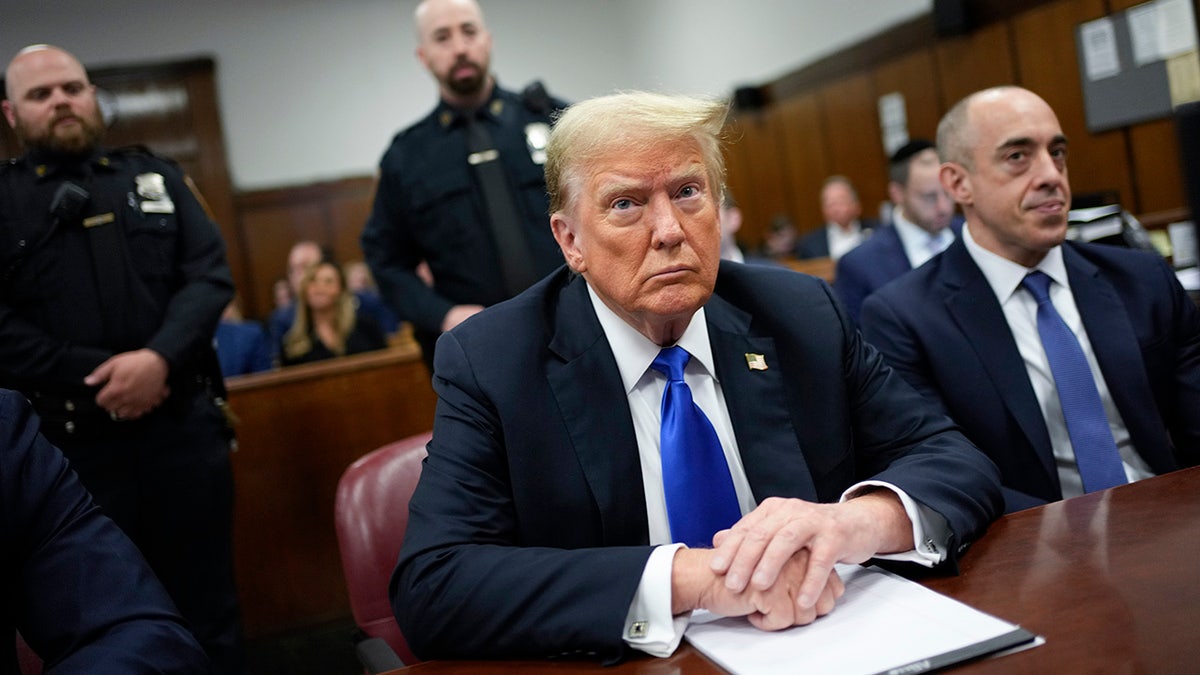
According to the Justice Department, the $1.776 billion available for the fund is based upon the “projected valuation of future claimants’ claims.” The department stated that the fund is intended to create a “systematic process to hear and redress claims of others who suffered weaponization and lawfare.”
This settlement was finalized ahead of critical court deadlines in the IRS case. These deadlines would have required the Trump administration to provide clarity on whether a valid case existed to be heard, a matter complicated by the President’s direct control over the actions of the Justice Department.
Mechanisms for Payouts and Formal Apologies
The structure of the Anti-Weaponization Fund provides more than just financial compensation; it includes the potential for symbolic gestures from the government. The announcement noted that the fund could issue “formal apologies” to individuals who successfully make claims against the government.
One of the most controversial aspects of the fund is its potential impact on individuals involved in the January 6 Capitol events. The fund provides a mechanism for Jan. 6 rioters, who have been pardoned by President Trump, to seek taxpayer-funded payouts based on claims of government overreach. This has drawn intense scrutiny from those questioning the use of public funds to compensate individuals involved in the unrest.
The fund is not intended to be permanent. The Justice Department has set a deadline for the processing of claims, stating that the fund will stop accepting and processing claims by December 15, 2028. This date falls approximately one month before the conclusion of President Trump’s second term.
Key Takeaways: The Anti-Weaponization Fund
- Total Fund Value: $1.776 billion, based on projected future claims.
- Primary Trigger: Established following the dismissal of a $10 billion IRS lawsuit by President Trump.
- Legal Dismissals: Includes the dropping of claims regarding the Mar-a-Lago search and the Russian collusion investigation.
- Intended Use: To redress claims of “weaponization and lawfare” and issue formal apologies.
- Claim Deadline: The fund will cease processing claims on December 15, 2028.
Legal Challenges and Law Enforcement Opposition
The fund’s implementation has met immediate resistance from those who served on the front lines during the January 6 Capitol riot. Officers who defended the Capitol have filed suit to block the payouts, arguing against the use of taxpayer resources to compensate those they view as participants in the unrest.
The legal battle highlights a fundamental disagreement over the definition of “weaponization.” While the Justice Department frames the fund as a tool for justice and the correction of past perceived abuses, the opposing legal challenges suggest that the fund may be used as a vehicle for political retribution or the compensation of specific political allies.
As the legal proceedings move forward, the courts will be tasked with determining whether the fund’s mechanism for “redressing lawfare” adheres to constitutional standards and whether the use of taxpayer funds for these specific settlements is legally permissible.
Next Checkpoint: The legal challenges brought by law enforcement officers are expected to be addressed in upcoming court filings, which will determine if the fund’s payout mechanism can proceed as planned.
What are your thoughts on the use of taxpayer funds for this new compensation mechanism? Share this article and join the conversation in the comments below.
- School Suspensions in Chile: Latest Updates on Class Cancellations Due to Storms
- General Masiello Answers Alemanno: The Army Belongs to the Homeland, Not Politics
- Seine-Nord Europe Canal: France’s Mega Infrastructure Project Faces Ongoing Delays (world-today-news.com)
- Reddit DMCA Lawsuit Against SerpApi and Perplexity AI Allowed to Proceed (time.news)