
The geopolitical tension in the Persian Gulf has reached a critical flashpoint as the United States and Iran engage in a high-stakes standoff over the Strait of Hormuz. Following a direct ultimatum from U.S. President Donald Trump, the region is currently balanced between a fragile ceasefire and the threat of an all-out confrontation that could destabilize global energy markets.
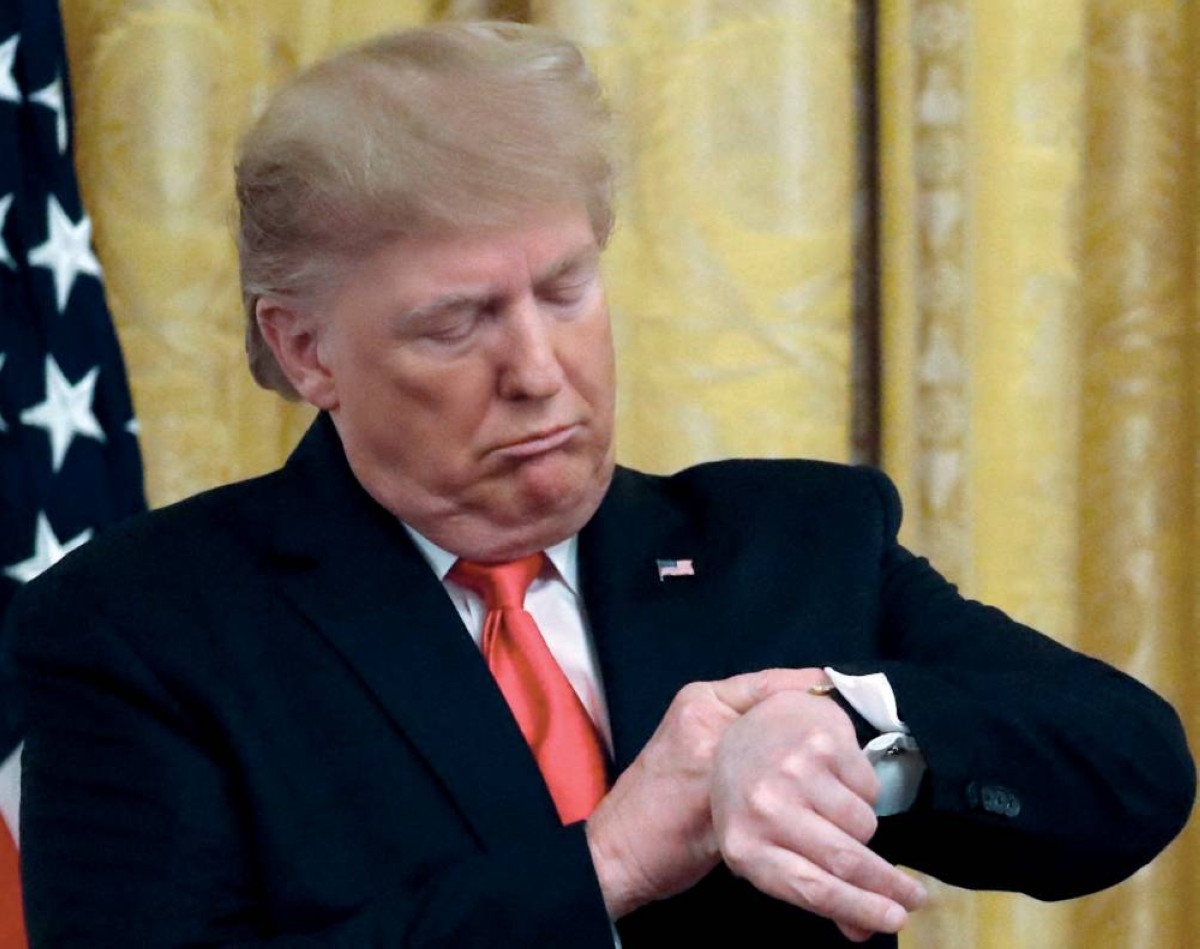
President Trump issued a stark 48-hour deadline demanding that Tehran fully open the Strait of Hormuz without any threats. In a post on his Truth Social platform, Trump warned that failure to comply would lead the United States to “strike and destroy” various Iranian power stations, starting with the largest facilities according to reports on the U.S. President’s ultimatum.
The situation has been further complicated by diplomatic interventions from third parties. Pakistan has reportedly requested that Trump extend the deadline given to Iran by two weeks, proposing a mutual ceasefire for 14 days while urging Tehran to keep the strait open during that period as detailed in regional reports.
Despite these diplomatic efforts, Iran has signaled a defiant stance. In Tehran, public displays of resistance have emerged, including billboards in the city’s center declaring that the strait remains closed, while Iranian officials have framed the U.S. Threats as war crimes.
Iran’s Defiance and the “New System”
Tehran has not only ignored the 48-hour window but has introduced what it describes as a “new system” regarding maritime access. The Islamic Revolutionary Guard Corps (IRGC) has officially closed the Strait of Hormuz to the United States and Israel, effectively dismissing the Trump administration’s deadline according to reports from Tehran.
The Iranian response has moved beyond simple refusal. Officials have hinted at expanding the “maritime blockade” to include the Bab el-Mandeb strait in the Red Sea. Iran has proposed an “impossible” financial condition as a prerequisite for reopening the Strait of Hormuz, a move that analysts suggest is intended to provoke a reaction or force a different set of negotiations as reported by Elaph.
The domestic atmosphere in Iran is one of heightened nationalism. On April 5, 2026, images emerged from Enqelab Square in central Tehran showing a woman holding the Iranian flag next to a massive billboard stating, “The Strait of Hormuz remains closed” per verified reports.
Legal and Diplomatic Escalations
Iranian leadership has pivoted to the international legal stage to counter U.S. Military threats. Mohammad Bagher Ghalibaf, the Speaker of the Iranian Parliament, described Trump’s threats as “reckless” and warned via the platform X (formerly Twitter) that Washington would gain nothing from what he termed “war crimes” according to official statements.
This legal argument was echoed by Kazem Gharibabadi, the Deputy Foreign Minister, who cited Article 8 of the Rome Statute. Gharibabadi asserted that targeting power plants and bridges constitutes a clear international crime and called upon the international community to intervene before the situation escalates beyond control per diplomatic records.
Adding to the tension, Ali Akbar Velayati, an advisor to the Iranian Supreme Leader, has alluded to the “Axis of Resistance” in the Red Sea, suggesting that Iran has the capability to choke global trade through a single signal according to reported statements.
Global Reactions and Security Alerts
The international community is reacting with a mixture of condemnation and caution. Russia has expressed a desire for peace in the Middle East and has condemned aggression against Iran according to statements from Nebenzia. Similarly, Turkish President Erdoğan stated that while Tehran’s position toward neighboring sister countries may not be correct, Turkey does not support any actions aimed at the destruction of Iran per official remarks.
The immediate security impact is already being felt. The United States has raised its caution level in Saudi Arabia and has urged its citizens to leave Mecca according to U.S. Travel advisories.
Military frictions have already manifested in the air. Reports indicate that an F-15E fighter jet crashed in southwestern Iran on a Friday after the pilots ejected; Washington stated that it rescued the first pilot in a specific operation according to France 24.
Summary of Current Standoff
| Entity | Action/Position | Stated Goal/Warning |
|---|---|---|
| United States | Issued 48-hour ultimatum | Full opening of the Strait of Hormuz or destruction of power plants |
| Iran (IRGC) | Closed the Strait officially | Implemented a “new system” with financial conditions for reopening |
| Pakistan | Proposed 14-day extension | Mutual ceasefire and temporary opening of the strait |
| Russia/Turkey | Diplomatic intervention | Condemning aggression and seeking regional peace |
The world now watches to see if the Pakistani proposal for a two-week ceasefire will be adopted or if the “new system” implemented by Tehran will lead to the “comprehensive confrontation” feared by global energy markets. The next critical checkpoint remains the U.S. Response to the Pakistani proposal and whether Iran will adjust its financial demands for the strait’s reopening.
We encourage our readers to share this report and leave their thoughts in the comments section regarding the potential impact of this maritime blockade on global energy prices.