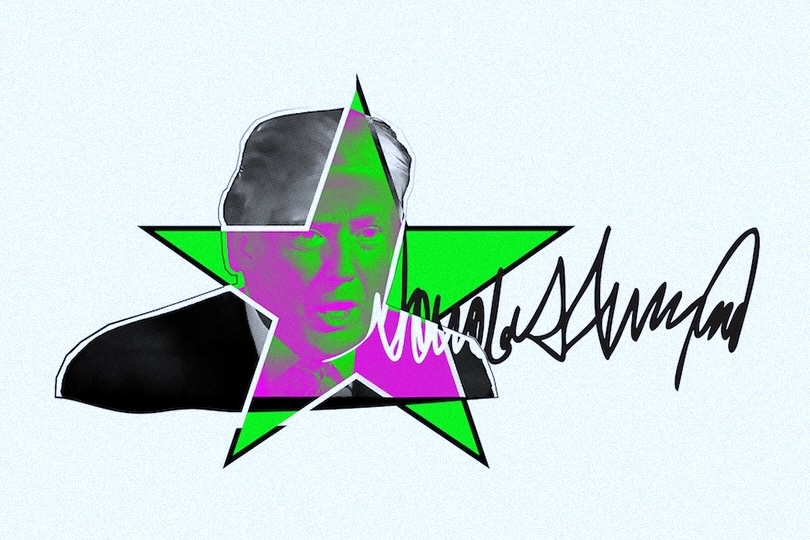
The Performance of Power: Decoding Trump’s Cairo Speech and the Logic of Populism
Donald Trump‘s appearance at a recent peace event in Cairo wasn’t a diplomatic exchange; it was a carefully constructed performance. Analyzing this event reveals crucial insights into the enduring appeal of Trump’s populism, and how he masterfully blends displays of power with a rejection of established political norms. This isn’t simply about offensive jokes or unconventional behavior – it’s a intentional strategy to solidify his image as both a dominant force and an anti-establishment figure.
The speech itself was a series of digressions, seemingly unstructured yet consistently reinforcing Trump’s self-proclaimed centrality. he jokingly claimed credit for Viktor Orbán‘s re-election, dismissing any dissenting opinions as irrelevant because his endorsement was all that mattered. this wasn’t a genuine attempt at diplomacy, but a demonstration of perceived control.
further examples included:
* Correcting pronunciation: Trump took the time to instruct the audience on the “correct” Hungarian pronunciation, subtly asserting his authority.
* Insulting with Impunity: He openly admitted to disliking some of the leaders present, then playfully threatened to reveal their identities. This showcased a willingness to transgress boundaries others wouldn’t dare cross.
* Patronizing Remarks: Leaders of India and Pakistan were told they would “live very nicely together,” while Iraq’s Prime minister was informed of his country’s “excess” oil reserves. These comments weren’t about policy; they were about establishing a hierarchy.
* Superficial Compliments: Calling Giorgia Meloni “gorgeous” wasn’t about genuine admiration. It was a signal that he operates outside the constraints of “political correctness,” positioning himself as authentic and relatable.
These actions weren’t random. They were calculated displays of power disguised as familiarity, a tactic designed to both intimidate and impress. trump’s vulgarity, in his view, isn’t a flaw, but proof of his connection to the “ordinary person” – a key tenet of populist rhetoric.
Why This Matters: Trump and the Rejection of Managerial Politics
For many, Trump’s performance was deeply unsettling. It was offensive, cruel, and arguably disturbing. However, understanding his effectiveness requires recognizing how these transgressive acts link power to emotion. He taps into a widespread dissatisfaction with what he portrays as “boring managerial politics.”
Where conventional leaders adhere to carefully crafted scripts, Trump’s spontaneity is presented as evidence of sincerity. His dominance, in this narrative, signifies a victory against the “global elite.” He uniquely embodies both the role of the world’s moast powerful man and the outsider challenging the system.
This is a crucial distinction. Most populists shift between these roles depending on the situation.Trump, however, manages to occupy both simultaneously – accepting egypt’s highest honor while behaving like a classic insult comedian.
Populism as Performance: Crisis, Emotion, and the spectacle of Weakness
The Cairo event serves as a textbook example of Benjamin Moffitt’s theory that populism is performed through crisis and emotion. However, the spectacle of Trump’s performance unfolded against the backdrop of a very real crisis: the devastation in Gaza.
While Trump elicited laughter within the room – and perhaps from viewers at home – that laughter was ultimately hollow. It was a response to absurdity, a coping mechanism in the face of a deeply troubling situation. The event highlighted a stark contrast: Trump’s perceived strength versus the apparent weakness of other world leaders seemingly willing to endure humiliation for access.
Ultimately,the laughter masked a grim reality. Beneath the surface of the performance lay the forgotten bodies of the dead, a stark reminder of the human cost of geopolitical maneuvering. Trump’s success isn’t about offering solutions; it’s about performing power and exploiting the emotional resonance of anti-establishment sentiment.
This event isn’t just a curiosity; it’s a critical case study for understanding the enduring power of populist rhetoric and the complex dynamics of contemporary global politics. It demands a critical examination of how power is displayed, how emotion is manipulated, and how easily genuine crises can be overshadowed by carefully constructed performances.
Keep reading