
The geopolitical landscape of the Caribbean is undergoing a profound and potentially volatile shift. In a move that signals a significant escalation in Washington’s approach to the island of Cuba, the United States government has unsealed a federal indictment against former Cuban President Raúl Castro and five other individuals.
The indictment, unsealed in a Miami federal court on Wednesday, marks a dramatic turning point in U.S.-Cuba relations. While the legal charges focus on conduct dating back three decades, the timing suggests a broader, more aggressive strategy being deployed by the Trump administration to exert pressure on the Cuban leadership. For many observers, this development is not merely a legal proceeding but a cornerstone of a shifting hemispheric policy that has already seen the recent removal of Venezuelan President Nicolás Maduro.
As the international community watches closely, the question is no longer just about legal accountability for past actions, but whether the United States is moving toward a new phase of direct confrontation with the Cuban government. The indictment represents a significant expansion of the administration’s “Donroe Doctrine,” a policy framework that appears designed to dismantle remaining communist strongholds in the Americas through a combination of legal, economic, and potentially military means.
A Reopening of Decades-Old Wounds
The legal core of the new indictment centers on a tragic event from approximately 30 years ago. According to court filings, the charges involve the Cuban government’s decision to shoot down two small aircraft, an action that resulted in the deaths of four people, three of whom were United States citizens.
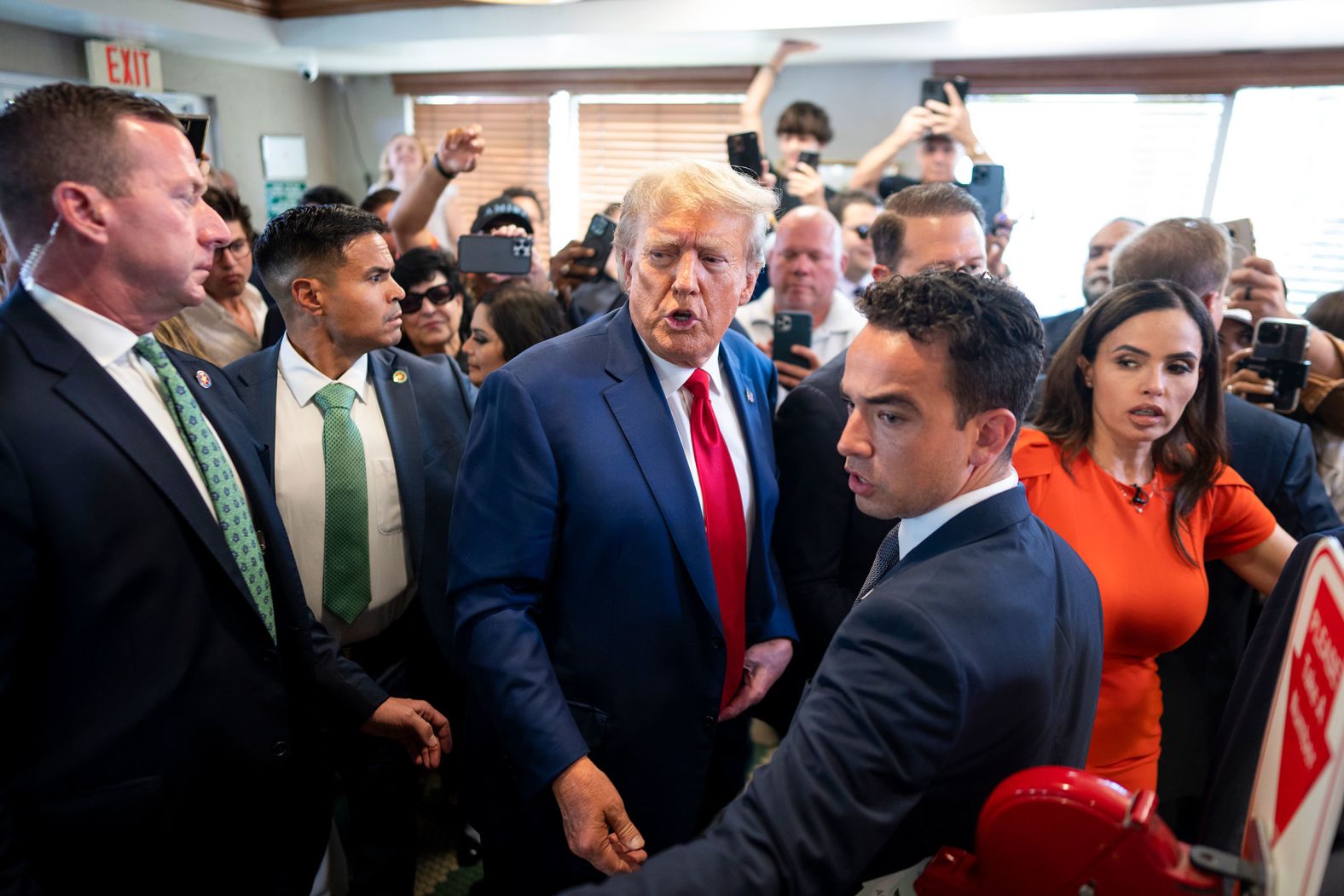
This recent legal action is not a standalone event; it is a superseding indictment that replaces a previous filing from 2003. While the earlier indictment named some of the same defendants, the new version presented in Miami is more comprehensive, aimed at ensuring that the legal mechanism can withstand the complexities of international jurisdiction and the passage of time. The unsealing of these charges has sent shockwaves through Havana, as it directly targets one of the most prominent figures in the history of the Cuban Revolution.
Acting Attorney General Todd Blanche addressed the gravity of the filing on Wednesday, dismissing any suggestion that the move was symbolic. “The Castro filing isn’t a show indictment,” Blanche stated, emphasizing the seriousness of the Department of Justice’s position. He further confirmed that a warrant has been issued for the arrest of the former president. “We expect that he will show up here by his own will or by another way,” Blanche added.
The Donroe Doctrine and Hemispheric Pressure
To understand why this indictment is occurring now, one must look at the broader strategic architecture of the current administration. The “Donroe Doctrine” has become the guiding principle for U.S. Foreign policy in the Western Hemisphere. This doctrine emphasizes the use of aggressive legal and economic tools to challenge regimes that the United States deems hostile to regional stability and democratic interests.
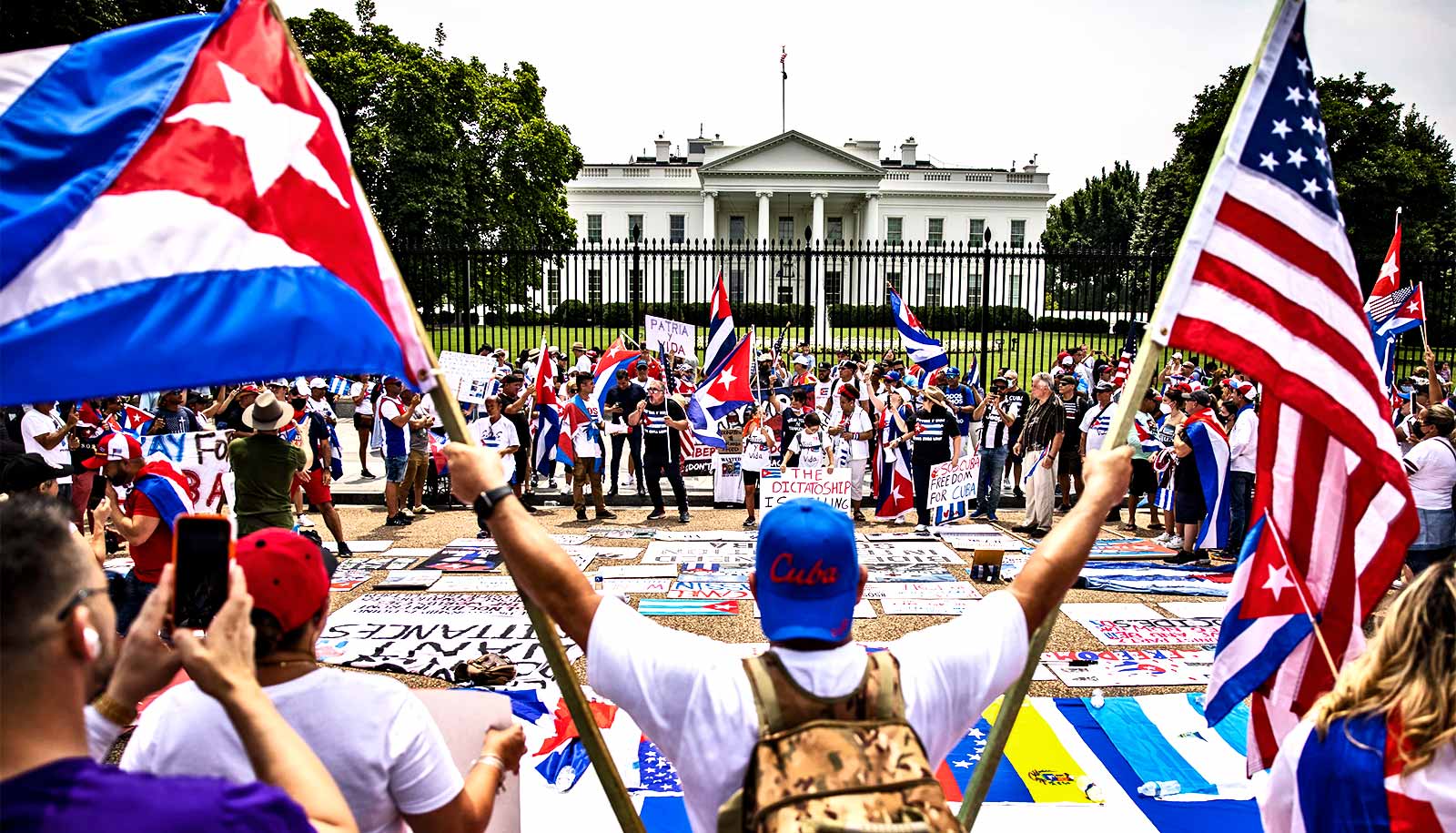
The implementation of this doctrine has already reached a milestone earlier this year. In January 2026, the administration orchestrated the removal of Venezuelan President Nicolás Maduro, a move that the White House framed as a successful law enforcement and regime-change operation. The success of the Maduro operation appears to have provided a blueprint for the current approach to Cuba.
Secretary of State Marco Rubio, a long-standing advocate for significant changes to the Cuban political system, is widely viewed as a key architect of this escalated pressure. Rubio has frequently argued that the existing diplomatic status quo is insufficient to address the challenges posed by the Cuban communist regime. The indictment of Raúl Castro serves as a high-profile application of this philosophy, utilizing the U.S. Judicial system to challenge the legitimacy of former and current Cuban leadership.
The Human Cost: Blockades and Humanitarian Crises
While the legal battles play out in Miami, the practical reality on the ground in Cuba is one of increasing hardship. The administration’s pressure campaign has included a stringent U.S. Oil blockade, which, despite certain exceptions, has significantly hampered the island’s ability to maintain essential services.
The economic consequences of the blockade have been felt acutely by Cuba’s 10 million residents. The island has been plagued by widespread, prolonged blackouts, as the energy infrastructure struggles to function without consistent fuel supplies. This energy crisis has exacerbated an existing humanitarian situation, impacting everything from hospital operations to the ability of small businesses to survive.
Critics of the administration’s policy argue that these measures disproportionately affect the civilian population, creating a humanitarian crisis in an attempt to achieve political concessions. However, proponents of the policy argue that the economic pressure is a necessary component of the Donroe Doctrine, intended to weaken the state’s grip on power and force the regime to the negotiating table.
Geopolitical Stakes: From Venezuela to Iran
The escalation in Cuba comes at a moment of intense global tension. The United States is currently engaged in a significant military conflict in Iran, a factor that complicates the administration’s foreign policy calculus. For some analysts, the decision to escalate tensions in the Caribbean while managing a war in the Middle East suggests a high level of confidence in the administration’s ability to multitask its “peace through strength” doctrine.
However, others question the administration’s appetite for further “military adventurism.” The concern is whether the legal indictments are a precursor to more direct intervention. There are growing reports that some advisers within the administration have expressed frustration with the lack of significant concessions from Cuban leaders, leading to serious discussions regarding military options.
The comparison to the Maduro case is striking. In Venezuela, the administration successfully framed the removal of the president as a law enforcement operation. The current administration seems to be attempting to replicate this “law enforcement” model in Cuba through the use of indictments and arrest warrants, potentially providing a legal veneer for what could otherwise be perceived as a military or political intervention.
Key Takeaways: The Escalation in Cuba
- Legal Action: A Miami federal court has unsealed a superseding indictment against former Cuban President Raúl Castro and five others for the shooting down of two planes 30 years ago.
- Strategic Context: The move is part of the “Donroe Doctrine,” which seeks to apply intense legal and economic pressure on communist regimes in the Americas.
- Economic Pressure: A U.S. Oil blockade has contributed to widespread blackouts and a humanitarian crisis impacting Cuba’s 10 million residents.
- Diplomatic Tension: Secretary of State Marco Rubio remains a central figure in the push to topple the Cuban regime, following the successful removal of Nicolás Maduro in January 2026.
- Global Complexity: The escalation occurs while the U.S. Is simultaneously involved in a conflict in Iran, raising questions about the potential for further military involvement in the Caribbean.
What Happens Next?
The immediate future of this legal and political standoff depends on the response from Havana and the execution of the arrest warrant. The Department of Justice has made it clear that the indictment is a serious legal mandate, not a symbolic gesture. Whether Raúl Castro or the other named defendants will face the U.S. Judicial system remains the critical unknown.
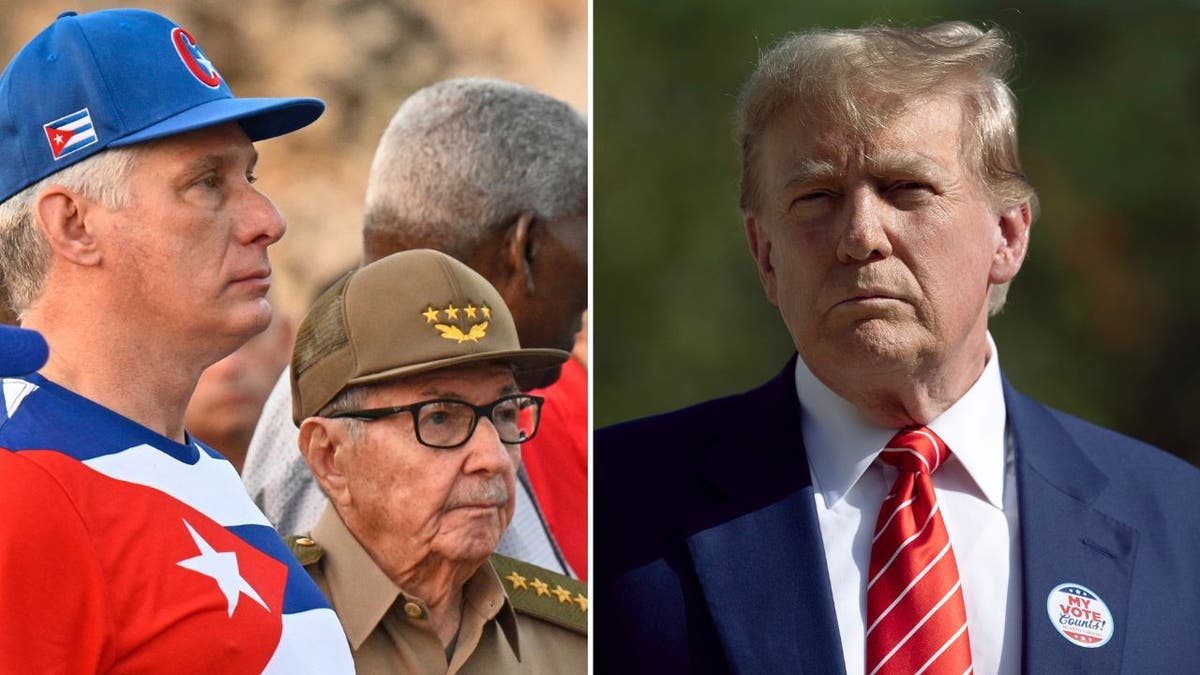
On the diplomatic front, the international community will be watching to see if this indictment triggers a further tightening of the blockade or if it prompts a shift in the Cuban government’s internal stability. As the administration balances its commitments in Iran with its ambitions in the Western Hemisphere, the situation in Cuba remains one of the most volatile flashpoints in global politics.
The next major checkpoint will be the first scheduled court appearance or any official response from the Cuban government regarding the arrest warrant. We will continue to monitor these developments as they unfold.
What do you think about the administration’s approach to Cuba? Is this a necessary step for justice, or a dangerous escalation? Share your thoughts in the comments below and share this article to join the conversation.