
In a significant escalation for the automotive sector in Southeast Asia, the Office of the Consumer Protection Board (OCPB)—Thailand’s primary consumer watchdog—has announced plans to initiate a civil lawsuit against the local operations of Volvo Cars. The legal action follows a series of reported incidents involving battery-related fires in the Volvo EX30, a model that has become a focal point for safety concerns among regional owners.
The decision to pursue litigation comes after a series of mediation attempts between affected vehicle owners and the Swedish automaker’s Thai subsidiary failed to yield a resolution. For many consumers, the core of the dispute centers on vehicle safety, technical reliability and the manufacturer’s response to reported electrical malfunctions in the compact electric SUV. As a financial journalist covering the shifting landscape of electric vehicle (EV) adoption, I recognize this case as a critical test for how luxury manufacturers manage product liability and consumer trust in emerging markets.
According to reports from the OCPB, the agency determined that the grievances brought forth by the vehicle owners were not adequately addressed during the conciliation process. By elevating the matter to a civil court, the Thai regulator is signaling a more aggressive stance toward monitoring the safety standards of imported and locally assembled electric vehicles. This development arrives as Thailand continues its push to become a regional hub for EV manufacturing, a goal that requires stringent adherence to international safety protocols and robust consumer protection frameworks.
Understanding the Consumer Protection Landscape
Thailand’s legal environment regarding consumer rights is primarily governed by the Consumer Case Procedure Act, which facilitates the filing of lawsuits by public agencies on behalf of aggrieved individuals. The OCPB serves as the state’s primary instrument for ensuring that automotive manufacturers comply with mandatory safety standards and quality guarantees. When a product—particularly one as complex as an electric vehicle—undergoes a series of failures, the regulatory body is empowered to intervene to prevent further harm to the public.
The Volvo EX30, marketed as an entry-level luxury electric crossover, has been a key part of Volvo’s global electrification strategy. However, the reports of thermal events or “battery-related fires” have sparked concern among both current owners and prospective buyers. In the context of global automotive safety, any incident involving lithium-ion battery packs is subject to intense scrutiny, given the specialized nature of fire suppression and the potential for rapid thermal runaway. The National Highway Traffic Safety Administration (NHTSA), while operating in a different jurisdiction, provides a framework for how such safety investigations are typically structured, emphasizing the importance of transparency in reporting electrical system integrity.
For Thai consumers, this lawsuit is not merely about financial compensation; it is about the broader accountability of multinational corporations operating within the country. The failure of the mediation process suggests a fundamental disagreement between Volvo Cars (Thailand) and the affected owners regarding the root cause of the issues and the appropriate remedy, which could range from full vehicle replacements to comprehensive technical recalls.
The Impact on the Electric Vehicle Market
As the automotive industry transitions away from internal combustion engines, the issue of battery safety is becoming a paramount concern for regulators worldwide. In Thailand, the government has provided significant subsidies and tax incentives to encourage the adoption of EVs, aiming to position the nation as the “Detroit of Asia.” Any high-profile legal battle involving a premium brand like Volvo could influence consumer confidence in the long-term reliability of electric technology.
Analysts note that the transition to EVs involves complex supply chain management and software integration. When a manufacturer experiences a technical setback, the speed and transparency of their response often dictate the long-term impact on brand equity. Volvo has historically positioned itself as a leader in safety, making these specific allegations particularly damaging to its reputation in the region. The legal terms and conditions typically governing automotive sales often place the burden of proof on the consumer, which is precisely why the involvement of a government watchdog like the OCPB is significant—it levels the playing field for individuals facing a global corporation.
this case may set a precedent for how other manufacturers handle similar complaints in Thailand. If the court rules in favor of the consumers, it could lead to more stringent oversight and mandatory reporting requirements for all EV manufacturers operating in the country. This shift would likely be welcomed by consumer advocacy groups but may introduce additional compliance costs for automotive firms.
What Happens Next?
The legal process in Thailand is expected to be lengthy. Following the official filing of the civil suit, the court will likely schedule a series of hearings to examine technical evidence, including battery diagnostic reports and vehicle service histories. Both parties will be required to present expert testimony to determine whether the fires were the result of manufacturing defects, software glitches, or other external factors.
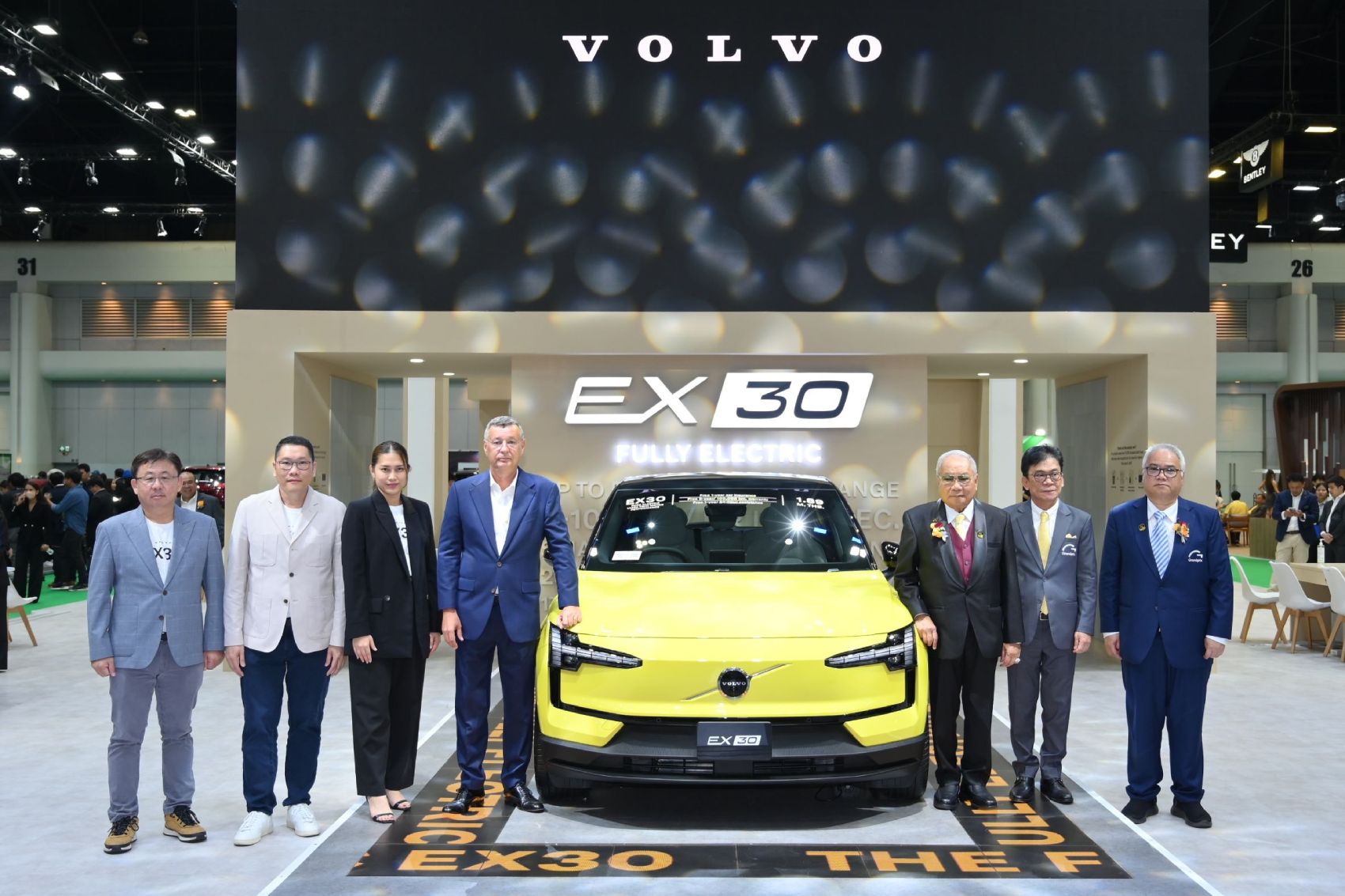
For current Volvo EX30 owners who are concerned about their own vehicles, it is advisable to maintain detailed records of all service visits and any unusual diagnostic alerts. Staying informed through official channels, such as the Office of the Consumer Protection Board, is the best way to receive updates on the status of the proceedings and to understand the potential implications for their own consumer rights.
As the case progresses, the global automotive community will be watching closely. The outcome will likely serve as a case study in how regulators in emerging markets interact with global brands during the volatile early stages of the EV revolution. We will continue to track the filings and provide updates as the court schedules the initial hearing dates.
Have you been affected by these issues, or do you have insights into the evolving regulatory environment for EVs in Southeast Asia? We invite you to share your thoughts in the comments section below or join the conversation on our social media channels.
Related reading