
Italian Minister of Justice Carlo Nordio has canceled a scheduled visit to the United States following a social media post by President-elect Donald Trump that criticized Italian Prime Minister Giorgia Meloni. The diplomatic friction stems from a post on the Truth Social platform in which the incoming U.S. president characterized the Italian leader’s policies as a failure, a move that prompted immediate concern within the Italian government regarding the tone of future bilateral relations, according to reporting from Reuters.
The cancellation of Minister Nordio’s trip, which was intended to focus on judicial cooperation and legal frameworks between the two nations, highlights the sensitivity of the diplomatic corridor between Rome and Washington as the new U.S. administration prepares for its January 2025 inauguration. While the Italian government has sought to maintain a strategic partnership with the United States, this latest development underscores the challenges of navigating personal rhetoric from the incoming president against established institutional alliances, as noted by the Financial Times.
Diplomatic Ripples from Social Media Rhetoric
The controversy began when Donald Trump utilized his digital platform to comment on Italian domestic politics, specifically targeting Prime Minister Meloni’s administration. The remarks, which focused on migration policies and economic performance, were perceived in Rome as an unprovoked criticism of a key G7 ally. According to official statements from the Italian Ministry of Justice, the decision to postpone the visit was made to avoid any perception of business-as-usual while the diplomatic atmosphere remains strained by these public comments.
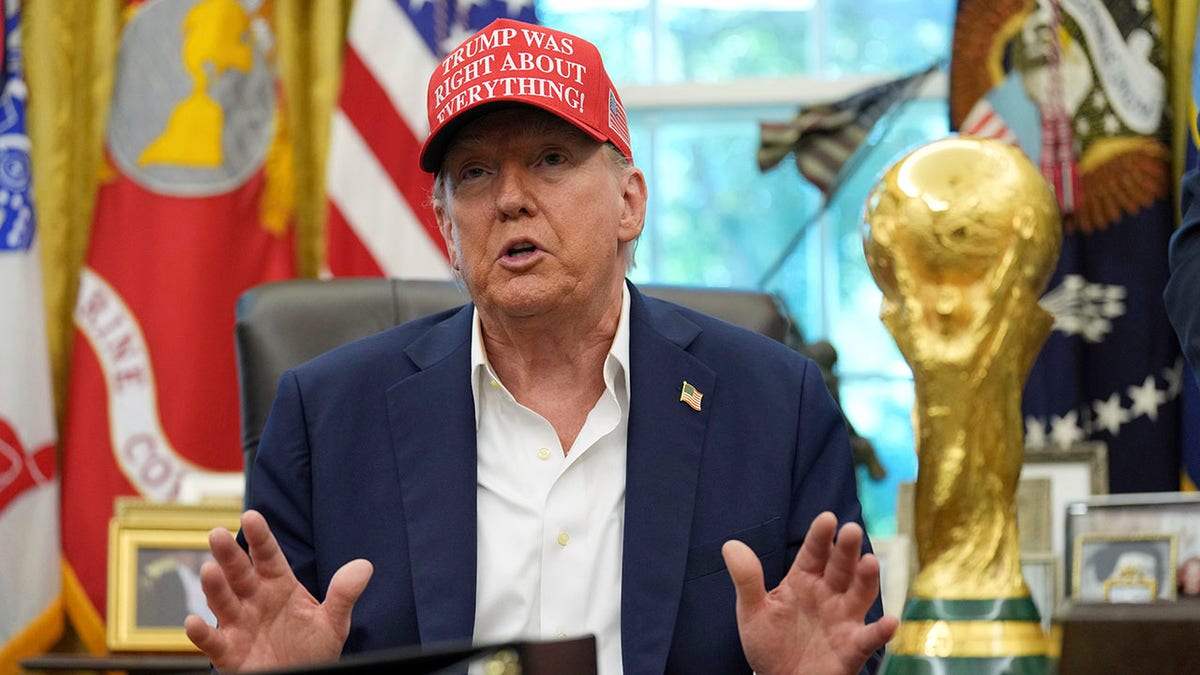
In international relations, the “Trump-Meloni” dynamic has historically been viewed as a positive alignment between two right-leaning political figures. However, the recent shift in tone has forced Italian officials to recalibrate their approach to the incoming administration. The Italian government, led by the Brothers of Italy party, has consistently prioritized the transatlantic relationship, yet the sudden nature of these criticisms has created a temporary impasse in high-level ministerial exchanges, as reported by ANSA.
Judicial Cooperation and Bilateral Impact
Minister Nordio’s planned visit was designed to address substantive issues, including extradition treaties and the coordination of international legal efforts against organized crime. By canceling the trip, Rome has effectively paused these technical discussions. This move serves as a clear signal that Italy expects a level of diplomatic decorum, even when personal political opinions are involved. The postponement of such meetings can have long-term consequences for legal cooperation, potentially stalling ongoing initiatives that require direct oversight from both the U.S. Department of Justice and the Italian Ministry of Justice, as outlined in official Department of Justice guidelines for international engagement.
The impact of this cancellation extends beyond the immediate legal agenda. It reflects a broader anxiety among European leaders regarding how the next U.S. administration will engage with traditional partners. Italy, which holds a significant role in Mediterranean security and European stability, is particularly sensitive to fluctuations in U.S. policy. Experts in European politics suggest that the incident could lead to a more cautious approach from Rome, emphasizing that while the political parties may share ideological ground, state-to-state relations remain governed by traditional diplomatic protocols.
Navigating Future Relations
Looking ahead, the Italian government is expected to seek private channels to clarify the incoming administration’s stance on Italy’s current governance. The Italian Foreign Ministry has not yet issued a formal protest, opting instead for the quiet cancellation of ministerial-level travel to express dissatisfaction. This measured response is characteristic of Rome’s desire to prevent a minor diplomatic spat from escalating into a structural breakdown of the Italy-U.S. alliance.
The next confirmed checkpoint for these relations will be the formal transition of power in Washington on January 20, 2025, when the new administration assumes office. Until then, observers will be watching for any further public commentary from the President-elect or any potential outreach from his transition team to de-escalate the situation. Italian officials have indicated that they remain open to rescheduling the ministerial visit once the diplomatic climate stabilizes, though no new dates have been proposed at this time.
If you have thoughts on how this shift in tone might impact future U.S.-European relations, please share your perspective in the comments section below. Stay tuned to World Today Journal for further updates as this story develops.
Keep reading