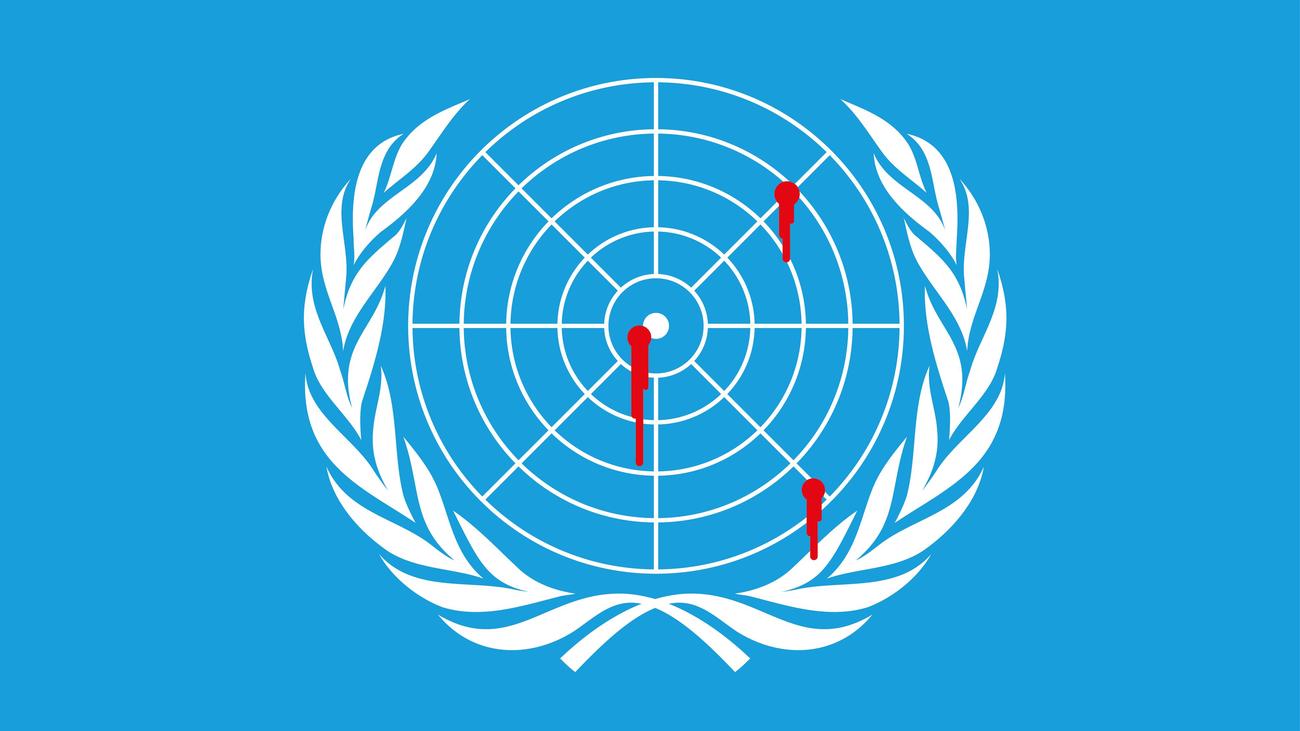
Trump’s Transactional Diplomacy: A Shift in Global Power Dynamics
The nature of diplomacy is undergoing a fundamental shift, particularly under the leadership of former U.S. President Donald Trump. Rather than a painstaking process of negotiation and compromise, Trump appears to view diplomacy as merely another tool for exerting power, engaging in talks only when he perceives a clear advantage and readily resorting to force when he deems it more expedient. This approach, as highlighted by political scientist Nicole Deitelhoff, raises serious concerns about the future of international relations and the rule-based global order. The recent escalation of tensions with Iran, where productive negotiations were seemingly abandoned in favor of a potential military strike, serves as a stark example of this evolving dynamic.
Deitelhoff, who researches the rule-based international order, argues that Trump’s actions represent a departure from traditional diplomatic practices. Even as diplomacy isn’t “dead,” its function has been redefined in the eyes of the former president. This redefinition prioritizes immediate gains and the projection of strength over long-term stability and collaborative solutions. The implications of this shift are far-reaching, potentially eroding established norms and increasing the risk of conflict. The situation with Iran, where a perceived path to peace quickly dissolved into military escalation, underscores the fragility of international stability in this new landscape.
The Iran Crisis: A Case Study in Trump’s Approach
The recent tensions between the United States, Israel, and Iran provide a compelling case study of Trump’s transactional approach to diplomacy. Reports indicated that negotiations with Iran were progressing, with Oman acting as a key mediator. Badr al-Busaidi, Oman’s chief negotiator, reportedly stated shortly before the outbreak of hostilities that “peace is within reach.” However, this optimism was shattered when rockets struck Tehran, marking a significant escalation in the conflict. This sequence of events, as Deitelhoff points out, illustrates a pattern where Trump engages in negotiations while simultaneously preparing for military action.
The justification for the potential military action, as articulated by both the U.S. And Israel, centers on concerns about Iran’s nuclear program and its potential to develop weapons capable of reaching the United States. However, as noted in a report by the Frankfurter Rundschau on March 3, 2026, the legal basis for a preemptive strike is questionable under international law. The report cites Deitelhoff, who explains that international law only permits the use of force in self-defense against an imminent threat – a “preemptive strike” – and does not allow for “preventive wars” based on potential future capabilities.
Deitelhoff further clarifies the conditions required to justify a preemptive strike: a demonstrable intent to attack, the existing capacity to carry out the attack, and an immediate threat. While Israel might argue that Iran consistently aims to destroy the state of Israel, doubts remain regarding Iran’s current capacity to develop nuclear weapons. Previous assessments, including those from the U.S. And Israel in the prior year, suggested that Iran’s nuclear program had been significantly set back, potentially by years or even decades. If these assessments are accurate, the immediate threat necessary to justify a preemptive strike does not exist. Frankfurter Rundschau
The Erosion of the Rule-Based International Order
The shift towards a more unilateral and power-based approach to diplomacy, exemplified by the Trump administration’s actions, has broader implications for the international order. The post-World War II system, built on principles of international law, multilateralism, and peaceful dispute resolution, is increasingly under strain. The willingness to bypass established norms and institutions, and to prioritize national interests above collective security, threatens to unravel decades of progress towards a more stable and predictable world.
This erosion of the rule-based order is particularly concerning in the context of conflicts like the one involving Iran. The invocation of “preventive war” as a justification for military action, despite its questionable legal basis, sets a dangerous precedent. It suggests that powerful states may feel entitled to use force to preemptively address perceived threats, even in the absence of an imminent attack. This could lead to a more volatile and unpredictable international environment, where conflicts are more likely to erupt and escalate.
Europe’s Role in Countering the Trend
Deitelhoff emphasizes the importance of European resistance to this trend. She argues that if Europe wishes to prevent a further descent into unilateralism and the arbitrary use of force, it must actively challenge the Trump administration’s approach. This resistance could seize various forms, including diplomatic initiatives, economic sanctions, and a reaffirmation of the principles of international law.
However, forging a unified European response is not without its challenges. Member states have differing strategic interests and priorities, and achieving consensus on complex foreign policy issues can be difficult. Europe’s economic and military dependence on the United States limits its ability to act independently. Despite these challenges, Deitelhoff believes that Europe has a moral and strategic imperative to defend the rule-based international order.
The Demand for “Unconditional Surrender”
Adding to the complexity of the situation, former President Trump has reportedly demanded “unconditional surrender” from Tehran, effectively ruling out any negotiated settlement to the conflict. ZDFHeute This uncompromising stance further diminishes the prospects for a peaceful resolution and reinforces the perception that Trump views diplomacy as a tool for coercion rather than genuine negotiation. The demand for unconditional surrender is a clear indication that the former president is prioritizing a maximalist outcome, even at the expense of escalating the conflict and increasing the risk of wider regional instability.
The current situation highlights a fundamental tension between the traditional diplomatic approach, which emphasizes dialogue and compromise, and the more transactional approach favored by Trump. While the latter may offer short-term gains, it risks undermining the long-term stability of the international system. The future of diplomacy, and the fate of the rule-based order, will depend on whether Europe and other actors can effectively counter this trend and reaffirm the importance of multilateralism and international law.
Key Takeaways
- Donald Trump views diplomacy as a tool for power projection, prioritizing his own objectives over collaborative solutions.
- The recent escalation with Iran demonstrates a pattern of negotiating while simultaneously preparing for military action.
- The legal justification for a preemptive strike against Iran remains questionable under international law.
- The erosion of the rule-based international order poses a significant threat to global stability.
- Europe has a crucial role to play in resisting this trend and defending the principles of multilateralism.
As the situation in the Middle East continues to evolve, the international community will be closely watching for any signs of de-escalation or renewed diplomatic efforts. The next key development to watch for will be the outcome of ongoing discussions between the United States, Israel, and European powers regarding a potential ceasefire and the resumption of negotiations with Iran. We encourage readers to share their thoughts on this critical issue in the comments below and to share this article with their networks.
Related reading