Escalating Tensions: Iran Threatens Retaliation After Trump’s Stark Warnings
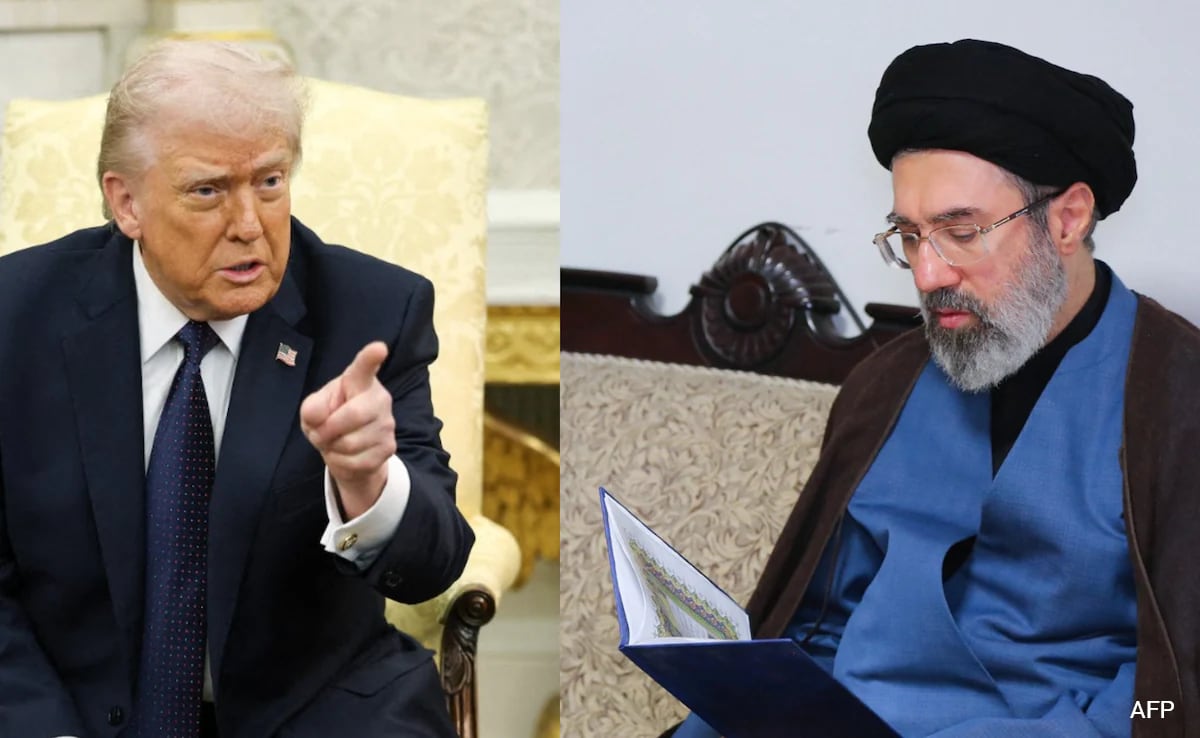
The Middle East remains on edge as a war ignited by strikes against Iran on February 28th continues to escalate, marked by increasingly bellicose rhetoric from both Washington and Tehran. On Tuesday, March 10, 2026, Ali Larijani, Secretary of Iran’s Supreme National Security Council, issued a direct threat to U.S. President Donald Trump following Trump’s warnings regarding the Strait of Hormuz and his recent criticism of Iran’s fresh Supreme Leader, Mojtaba Khamenei. The exchange underscores the volatile situation and the potential for further conflict in a region already grappling with widespread instability. The situation is further complicated by disruptions to global oil markets, with Brent crude prices surging nearly 24% since the start of the conflict.
Larijani’s message, posted on X (formerly Twitter), directly challenged Trump’s authority and resolve. “The Ashura-loving nation of Iran does not fear your paper threats. Even those greater than you could not eliminate the Iranian nation. Watch out for yourself—lest you be eliminated!” the post read, according to translations reported by multiple news outlets. This direct and forceful language represents a significant escalation in the public exchange between the two leaders, raising concerns about miscalculation and unintended consequences. The threat follows a pattern of increasingly aggressive statements from Iranian officials in response to perceived provocations from the United States and Israel.
The exchange was triggered by Trump’s strong condemnation of Iran’s actions and his warning that any attempt to disrupt oil flow through the strategically vital Strait of Hormuz would be met with overwhelming force. In a post on his Truth Social platform, Trump stated that Iran would be hit “twenty times harder” than previous strikes if it interfered with shipping lanes. He further asserted that any retaliatory action would result in the “virtual impossibility” of Iran being “built back” as a nation, employing stark language invoking “Death, Fire, and Fury.” Trump also expressed his disapproval of Mojtaba Khamenei’s recent appointment as Supreme Leader, stating he doesn’t believe the new leader “can live in peace.”
The current crisis stems from a joint U.S.-Israeli military operation on February 28th that resulted in the death of Ayatollah Ali Khamenei, Iran’s previous Supreme Leader. This action prompted a wave of retaliatory strikes by Iran targeting Israel and Gulf Arab countries, including attacks on Bahrain, Saudi Arabia, and the United Arab Emirates. These attacks have included missile and drone strikes, causing damage to infrastructure and resulting in casualties, including the death of a 29-year-old woman in Bahrain and injuries to eight others. The attacks on Bahrain, Saudi Arabia, and the UAE demonstrate Iran’s willingness to project force across the region and its determination to raise the costs for its adversaries.
Disruptions to Global Oil Supply and Economic Impact
A central point of contention is the Strait of Hormuz, a narrow waterway through which approximately 20% of the world’s crude oil supply passes daily. Iran has threatened to block the export of oil through the strait, a move that would have a devastating impact on global energy markets and the world economy. This threat has already contributed to a significant spike in oil prices, with Brent crude reaching nearly $120 a barrel before settling around $90 on Tuesday, March 10th. The disruption to oil supplies is causing widespread concern among nations reliant on Middle Eastern energy resources, including China and other major importers.
The economic consequences of the conflict are already being felt globally. Beyond the immediate impact on oil prices, the instability in the Middle East is creating uncertainty in financial markets and disrupting supply chains. The potential for a prolonged conflict raises the specter of further economic damage, potentially leading to a global recession. The United States and its allies are working to mitigate the economic fallout, but the situation remains precarious.
Trump’s Response and Concerns Over Prolonged Conflict
Despite the escalating tensions, President Trump has attempted to downplay fears of a protracted war, describing it as a “short-term excursion.” However, this assessment contrasts with the views of some analysts and observers who believe the conflict could drag on for months or even years. Israeli Prime Minister Benjamin Netanyahu has vowed to continue strikes against Iran, signaling a commitment to a sustained military campaign. Trump’s earlier comments about the potential duration of the conflict, suggesting it could last a month or longer, also indicate a recognition of the challenges involved in resolving the crisis.
The situation is further complicated by Trump’s past statements regarding Iran and his willingness to take aggressive action. His previous threats and his current rhetoric raise concerns about the potential for miscalculation and escalation. The international community is urging restraint and calling for a diplomatic solution, but the prospects for meaningful negotiations appear dim given the deep-seated mistrust and animosity between the United States and Iran.
Iran’s Regional Attacks and Pressure Tactics
Iran’s recent attacks are not limited to Israel and Gulf Arab countries. The country has also targeted energy infrastructure and shipping traffic in the region, aiming to generate economic pain for the United States and Israel and pressure them to halt their military operations. The attacks in Bahrain, Saudi Arabia, and the UAE demonstrate Iran’s ability to project force across a wide geographic area and its willingness to take risks to achieve its objectives. The targeting of energy infrastructure is particularly concerning, as it could lead to further disruptions in global oil supplies and exacerbate the economic consequences of the conflict.
ملت عاشورایی ایران، از تهدیدات پوشالی شما نمیترسند.
بزرگتر از شما هم نتوانستند ملت ایران را حذف کنند.
مراقب خود باشید حذف نشوید! pic.twitter.com/v1aWLoJk7K— Ali Larijani | علی لاریجانی (@alilarijani_ir) March 10, 2026
The ongoing conflict represents a significant challenge to regional and global stability. The escalating rhetoric, the disruptions to oil supplies, and the potential for further attacks all contribute to a volatile and unpredictable situation. The international community must work urgently to de-escalate tensions and find a diplomatic solution to prevent a wider and more devastating conflict. The stakes are high, and the consequences of failure could be catastrophic.
Key Takeaways
- Escalating Rhetoric: Ali Larijani, a top Iranian security official, directly threatened President Trump following Trump’s warnings about the Strait of Hormuz.
- Oil Supply Disruption: Iran’s threats to block the Strait of Hormuz have already caused significant spikes in oil prices, impacting the global economy.
- Regional Attacks: Iran has launched attacks on Israel, Bahrain, Saudi Arabia, and the UAE, demonstrating its willingness to project force across the region.
- Prolonged Conflict Concerns: Despite Trump’s claims of a “short-term excursion,” analysts fear the conflict could be protracted.
The situation remains fluid and is subject to rapid change. Further developments are expected in the coming days and weeks as the United States, Iran, and their allies navigate this complex and dangerous crisis. World Today Journal will continue to provide updates and analysis as the situation unfolds. Readers are encouraged to share their thoughts and perspectives in the comments section below.
Related reading