
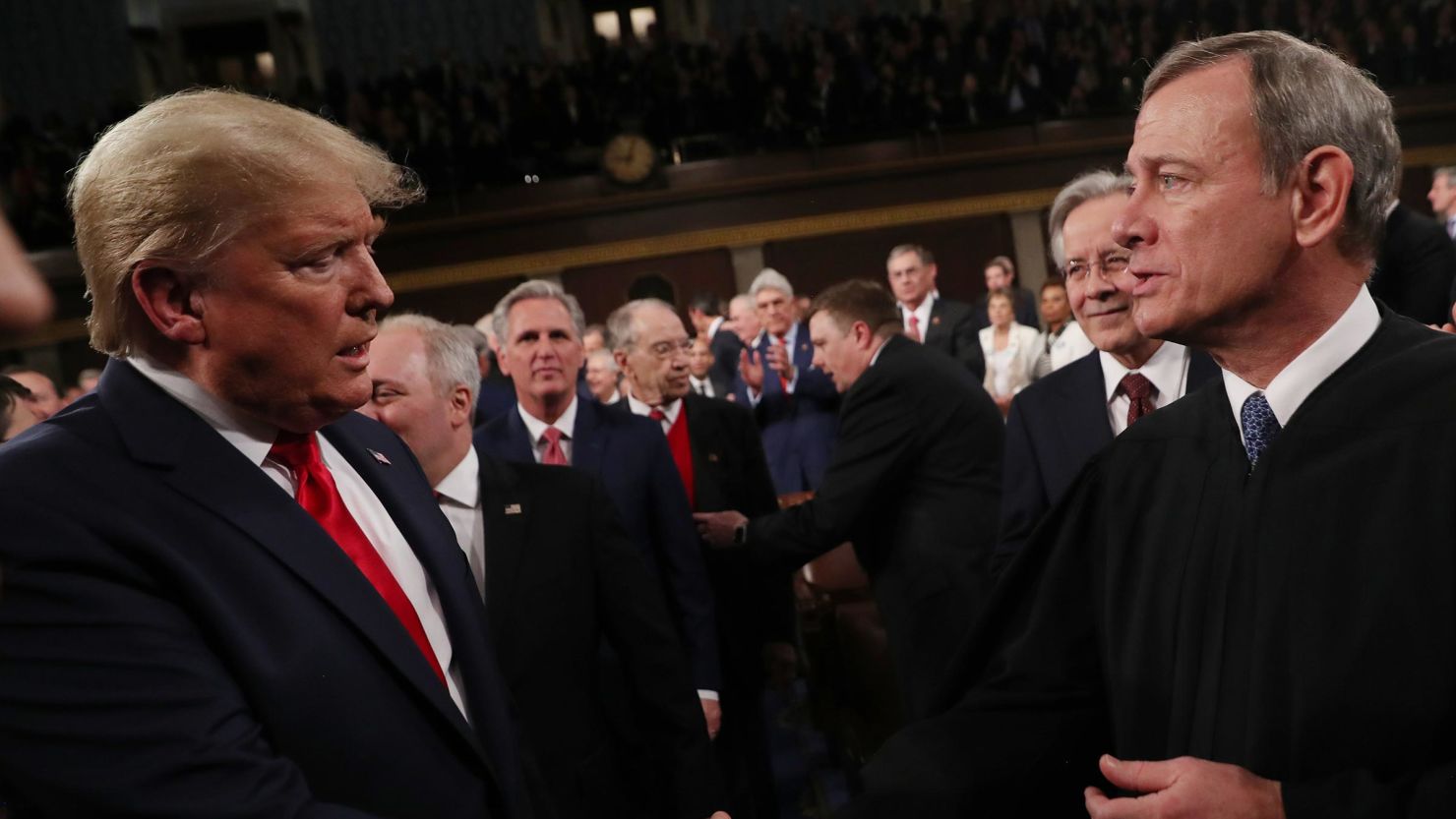
NATO Secretary-General Mark Rutte met with President Donald Trump at Mar-a-Lago on Friday to discuss the future of the transatlantic alliance and the upcoming NATO summit. The meeting comes as the Trump administration recalibrates its foreign policy priorities, placing renewed emphasis on member-state defense spending and the long-term sustainability of the U.S. role within the collective security framework.
The dialogue between the two leaders occurs against a backdrop of ongoing geopolitical shifts, including the conflict in Ukraine and broader concerns regarding European security architecture. According to the official NATO press record, the discussion focused on ensuring that all 32 member nations meet their agreed-upon financial commitments, a central demand of the current U.S. administration. The meeting serves as a high-level diplomatic effort to align expectations ahead of critical policy decisions scheduled for the coming months.
The Diplomatic Context of the Meeting
Mark Rutte, who took office as NATO Secretary-General in October 2024, has focused his initial tenure on maintaining unity within the alliance despite varying political winds in Washington and across European capitals. The meeting at Mar-a-Lago was characterized by both parties as a constructive step in managing the relationship between the United States and its European partners. As reported by Reuters, the administration has signaled that while the U.S. remains committed to the alliance, it expects a more equitable distribution of the fiscal burden associated with regional defense.
The “Trump whisperer” narrative often cited in media reports refers to the diplomatic strategy of engaging the President directly on issues of transactional fairness. By framing defense spending as a matter of economic and national security reciprocity, NATO leadership aims to prevent potential friction that could arise during the next summit. This approach mirrors previous efforts to soothe institutional tensions by focusing on tangible metrics, such as the 2% of GDP defense spending target established at the 2014 Wales Summit.
Defense Spending and Alliance Unity
A primary point of contention remains the pace at which member states reach their defense spending targets. Data from the NATO 2024 annual expenditure report confirms that a record number of allies have met or exceeded the 2% threshold, a trend the Trump administration views as essential. Despite this progress, the U.S. continues to press for higher commitments, suggesting that the current baseline may be insufficient given the evolving threats in Eastern Europe.
The strain on the alliance is not merely financial; it involves fundamental questions about the U.S. security guarantee. During his previous term, President Trump frequently questioned the value of NATO membership, leading to widespread speculation about potential shifts in U.S. policy. The current administration has maintained this skepticism, periodically suggesting that the U.S. might prioritize domestic economic interests over international military obligations if member states do not show sufficient urgency.
Looking Toward the Next Summit
The meeting serves as a precursor to the next formal gathering of heads of state, where policy directives for the remainder of the year will be finalized. Officials have not yet released the full agenda for the upcoming summit, but analysts expect the focus to remain on the modernization of military capabilities and the integration of new technologies into the NATO defense shield. According to reporting by the Associated Press, the dialogue in Florida was designed to minimize public disagreements that could undermine the alliance’s perceived strength on the global stage.

For observers tracking the U.S.-NATO relationship, the next confirmed checkpoint will be the release of the official communiqué from the upcoming summit. This document will detail the consensus reached by the 32 member states regarding Ukraine, defense spending, and the future of the “Open Door” policy. Until then, diplomatic channels remain open, with further bilateral meetings between U.S. officials and European counterparts expected throughout the winter.
Readers interested in the official records of these proceedings can monitor the NATO Newsroom for verified transcripts and policy updates. We welcome your thoughts on these developments in the comments section below.