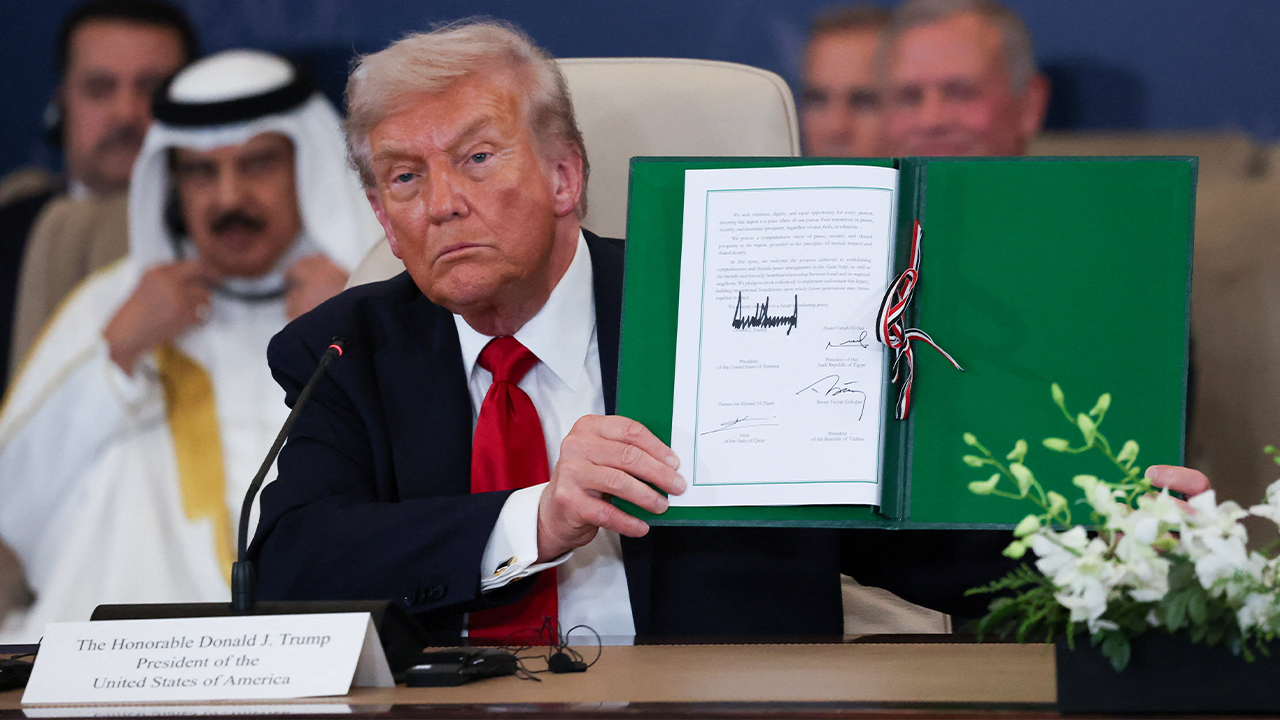
President-elect Donald Trump has signaled a desire for a rapid resolution to the ongoing conflict in the Middle East, a position that has prompted intense international scrutiny regarding his future administration’s approach to Iran and Israel. As the transition of power in Washington D.C. approaches, geopolitical analysts are assessing how the incoming administration’s “maximum pressure” legacy and alignment with Israeli leadership might influence the regional status quo. According to reports from Reuters, the incoming administration faces a complex landscape where traditional diplomatic channels and regional power dynamics remain in flux.
The geopolitical tension between Tehran and Tel Aviv has intensified significantly throughout 2024. Following multiple direct exchanges of fire between the two nations, global observers are monitoring how a shift in U.S. policy might alter the strategic calculus for both Supreme Leader Ali Khamenei and Prime Minister Benjamin Netanyahu. The Biden administration has historically advocated for de-escalation, whereas the incoming Trump transition team has suggested a return to a more assertive stance toward Iranian influence in the region, as noted by the Council on Foreign Relations.
The Strategic Outlook for U.S.-Iran Relations
Donald Trump’s approach to Iran during his first term was defined by the 2018 withdrawal from the Joint Comprehensive Plan of Action (JCPOA) and the implementation of extensive economic sanctions. Analysts suggest that a second term may prioritize a similar strategy, often referred to as “maximum pressure.” According to an analysis by the Atlantic Council, the incoming administration’s focus is expected to be the containment of Iran’s nuclear program and its regional proxy network. For observers, the primary question remains whether economic pressure can force a shift in Tehran’s regional security policy.
The Iranian government has maintained that its regional activities are a matter of national sovereignty and defensive posture. In recent statements, Iranian officials have expressed skepticism regarding the potential for renewed diplomatic breakthroughs under a new U.S. administration. As documented by Al Jazeera, Tehran has declared its military readiness for various scenarios, emphasizing that its strategic doctrine remains unchanged regardless of who occupies the Oval Office.
Israel’s Role and Regional Security Calculations
Prime Minister Benjamin Netanyahu has long maintained a close relationship with Donald Trump, a factor that many analysts believe will influence the trajectory of the conflict. The Israeli government has consistently pushed for a unified front against what it characterizes as Iranian aggression. According to the Times of Israel, the incoming U.S. administration has expressed a preference for a swift conclusion to active military operations in the region, though specific policy directives remain subject to ongoing transition briefings.
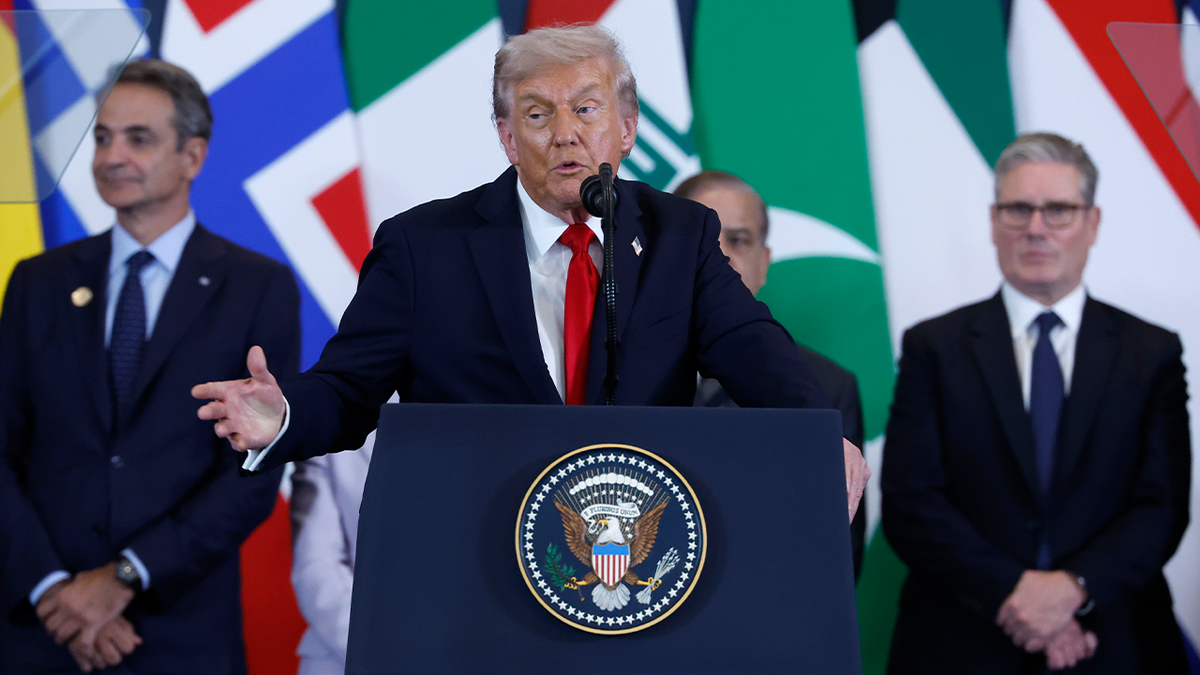
This alignment creates a unique set of challenges for regional diplomacy. While Israel seeks to neutralize threats from groups like Hezbollah and Hamas, the U.S. must balance these security objectives with the broader goal of regional stability. The U.S. Department of State continues to emphasize that any path to peace requires long-term diplomatic engagement with regional partners, including Saudi Arabia and Egypt, to ensure that ceasefires are sustainable and not merely temporary pauses in hostilities.
Geopolitical Implications of a “Rapid Resolution”
The concept of a “rapid resolution” to Middle Eastern conflicts has been a recurring theme in political discourse surrounding the transition. However, experts warn that the historical complexity of these disputes makes simple solutions unlikely. The Brookings Institution suggests that the primary hurdle for any new policy will be the deep-seated mistrust between the involved parties, which has only been exacerbated by the events of the past year.
The following table outlines the key areas of focus for the incoming administration as reported by various international policy institutes:
| Policy Area | Stated Objective | Primary Challenge |
|---|---|---|
| Nuclear Non-Proliferation | Prevent Iranian nuclear capability | Lack of current diplomatic framework |
| Regional Proxies | Diminish influence of Iranian-backed groups | Asymmetric warfare tactics |
| Abraham Accords | Expand regional normalization | Ongoing conflict in Gaza |
What Happens Next
The next major checkpoint for these policies will be the formal inauguration of the new administration on January 20, 2025. Following this date, the confirmation process for key cabinet positions—including the Secretary of State and the National Security Advisor—will provide the first concrete indications of how the United States will prioritize its Middle East strategy. Until then, the White House transition team is expected to continue receiving intelligence briefings regarding the current state of regional hostilities.

Readers interested in following these developments can monitor the White House Briefing Room for official statements and executive policy announcements. As the situation remains fluid, professional analysts recommend tracking updates from established international reporting agencies to distinguish between transition-period speculation and actual policy shifts.
We invite our readers to share their perspectives on these developments in the comments section below. What impact do you believe a change in U.S. leadership will have on regional stability? Join the conversation and stay informed with our continued coverage of the transition.