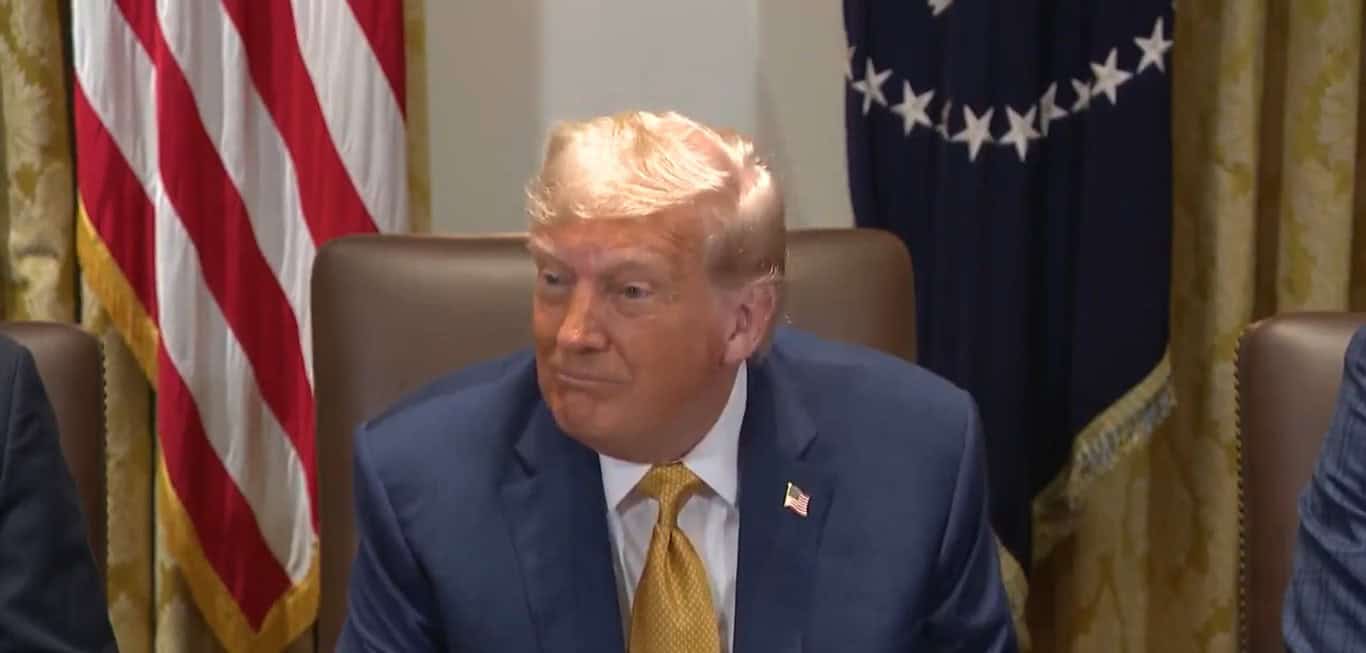
The shifting Sands of US-China Trade: Will the Trump-Xi Meeting Materialize?
The global economic landscape hinges on the relationship between the United States and China. Recent pronouncements from former President Donald Trump suggest a potential thaw in tensions, with a planned meeting with Chinese President Xi Jinping at the APEC summit in South Korea.However, this prospect remains characteristically uncertain, marked by Trump’s fluctuating rhetoric and a history of unpredictable policy shifts. Understanding the dynamics at play – and the potential impact of a trade deal – is crucial for businesses, investors, and policymakers alike.
Trump initially announced the meeting on September 19th, signaling a possible return to direct engagement after a period of escalating trade disputes. This declaration followed threats of massive tariffs against China in response to export restrictions on rare earth minerals, a critical component in numerous technologies. The back-and-forth highlights the delicate balance and inherent volatility in the US-China relationship.
A History of Volatility & The Current Landscape
The former president’s approach to China has always been defined by aggressive negotiation tactics and a willingness to disrupt established norms. This has resulted in a trade war characterized by reciprocal tariffs,impacting industries from agriculture to technology.
Recent data from the US Trade Representative shows that while overall trade with China remains substantial ($690.6 billion in 2023), it has shifted in composition due to the imposed tariffs. https://ustr.gov/countries-regions/china-mongolia Furthermore, a Peterson Institute for International Economics report (November 2023) indicates that Trump’s tariffs cost US consumers $83 billion annually.
But now,Trump speaks of a “good” and “fair” trade agreement,suggesting a potential shift towards a more constructive dialog. Yet, he simultaneously leaves the door open to cancellation, citing the possibility of the meeting being deemed “too nasty.” This ambiguity creates uncertainty for global markets.
* Key factors Influencing the Meeting: Domestic political pressures, upcoming elections, and the ongoing war in Ukraine all contribute to the complexity.
* Potential Outcomes: A prosperous meeting could lead to reduced tariffs, increased trade, and a more stable economic relationship. Conversely, a breakdown could escalate tensions and further disrupt global supply chains.
* Related Concerns: Discussions surrounding intellectual property theft, human rights, and China’s military expansion in the South China Sea are likely to be underlying issues.
Beyond Tariffs: Broader Implications of US-China Relations
The potential for a trade deal extends beyond simple tariff reductions. It encompasses a range of issues critical to the future of the global economy. these include:
* Supply Chain Resilience: Diversifying supply chains away from China has become a priority for many countries. A stable US-China relationship could influence this trend.
* Technological Competition: The US and China are locked in a fierce competition for technological dominance, particularly in areas like artificial intelligence and semiconductors.
* Geopolitical Stability: The relationship between the two superpowers has far-reaching implications for global security and stability. The recent cancellation of a planned meeting with Vladimir Putin further complicates the geopolitical landscape.
* Rare Earth Minerals: China’s control over rare earth minerals, essential for many high-tech products, gives it significant leverage. The US is actively seeking to diversify its sources.
Actionable Advice for Businesses:
- Diversify your supply chain: Reduce reliance on single sources, particularly from China.
- Monitor policy changes closely: Stay informed about evolving trade policies and regulations.
- Assess your risk exposure: Identify potential vulnerabilities in your buisness model.
- Explore alternative markets: Consider expanding into new markets to mitigate risk.
Addressing Common Questions About US-China Trade
Q: What is a “Phase One” trade deal?
A: The “Phase One” trade deal, signed in January 2020, involved China committing to purchase an additional $200 billion in US goods and services over two years. However, China largely failed to meet these commitments.
Q: How do tariffs impact consumers?
A: Tariffs increase the cost of imported goods, which are frequently enough passed on to consumers in the form of higher prices.
Q: What are rare earth minerals and why are they significant?
A: Rare earth minerals are a group of 17 elements used in a wide range of
Keep reading