
President-elect Donald Trump has stated that Iran will “never have a nuclear weapon” under his administration’s future foreign policy, while simultaneously criticizing Israel’s ongoing military campaign in Lebanon. Speaking as he prepares for his inauguration, Trump emphasized a firm stance on nuclear non-proliferation in the Middle East, framing his approach as a departure from previous diplomatic frameworks while asserting that his administration will prioritize regional stability through direct, decisive engagement.
The president-elect’s comments come amid heightened tensions in the Levant and ongoing international scrutiny regarding Iran’s uranium enrichment programs. While Trump has maintained that a deal with Tehran is possible, he has explicitly rejected the notion that the United States would provide direct financial backing or “pay-outs” to the Iranian government to secure such agreements. According to recent public statements and reports from Reuters, the incoming administration is positioning itself to leverage maximum pressure to prevent Iran from achieving nuclear breakout capability.
Nuclear Non-Proliferation Strategy
Trump’s core contention is that his administration can achieve what he describes as a more effective nuclear containment policy than the 2015 Joint Comprehensive Plan of Action (JCPOA), which he withdrew the United States from in 2018. The president-elect has characterized his goal as securing a comprehensive agreement that ensures Iran abandons its nuclear ambitions entirely. According to the International Atomic Energy Agency (IAEA), which monitors Iran’s nuclear facilities, Iran has continued to increase its stockpile of enriched uranium, raising significant concerns among Western powers regarding the potential for weaponization.
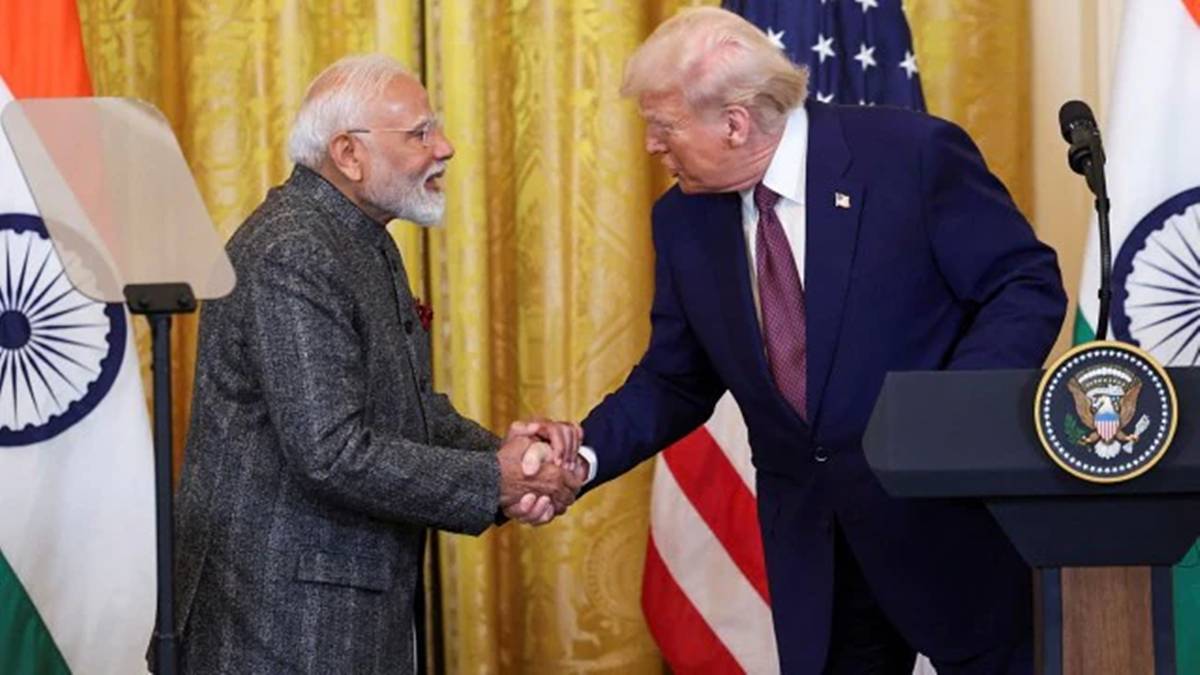
The economic component of this strategy remains a central point of contention. While rumors have circulated regarding potential multi-billion dollar investment funds for Tehran, Trump has publicly dismissed these claims, stating that the U.S. government will not be the source of such capital. Analysts at the Council on Foreign Relations note that the efficacy of such a policy depends largely on the willingness of international partners to maintain strict sanctions regimes, as the U.S. economy remains separated from the Iranian financial system by long-standing federal statutes.
Criticism of Israel’s Lebanon Campaign
Beyond his focus on Iran, Trump has expressed concerns regarding the intensity of Israel’s military operations in Lebanon. The president-elect has suggested that the current scope of the conflict is counterproductive to long-term peace in the region. This stance marks a notable shift in tone for the incoming administration, which has historically maintained a staunchly pro-Israel position. According to reporting from the Associated Press, the conflict between Israel and Hezbollah has resulted in significant displacement and infrastructure damage across Southern Lebanon, complicating regional diplomatic efforts.
The critique centers on the humanitarian impact and the strategic endgame of the military operations. Trump has indicated that he expects a “clearer path” toward de-escalation, suggesting that the current military trajectory does not align with his stated goal of achieving “great things” for Middle Eastern stability. For observers, this highlights a potential friction point between the incoming White House and the current Israeli government led by Prime Minister Benjamin Netanyahu, particularly as both nations seek to define their security priorities heading into 2025.
Looking Ahead to the Transition
The diplomatic landscape will likely remain volatile as the transition of power continues in Washington. The primary checkpoint for these policies will be the initial 100 days of the new administration, during which the White House is expected to outline its specific regional security framework. Official updates regarding foreign policy appointments and initial diplomatic outreach will be available through the White House official transition portal.
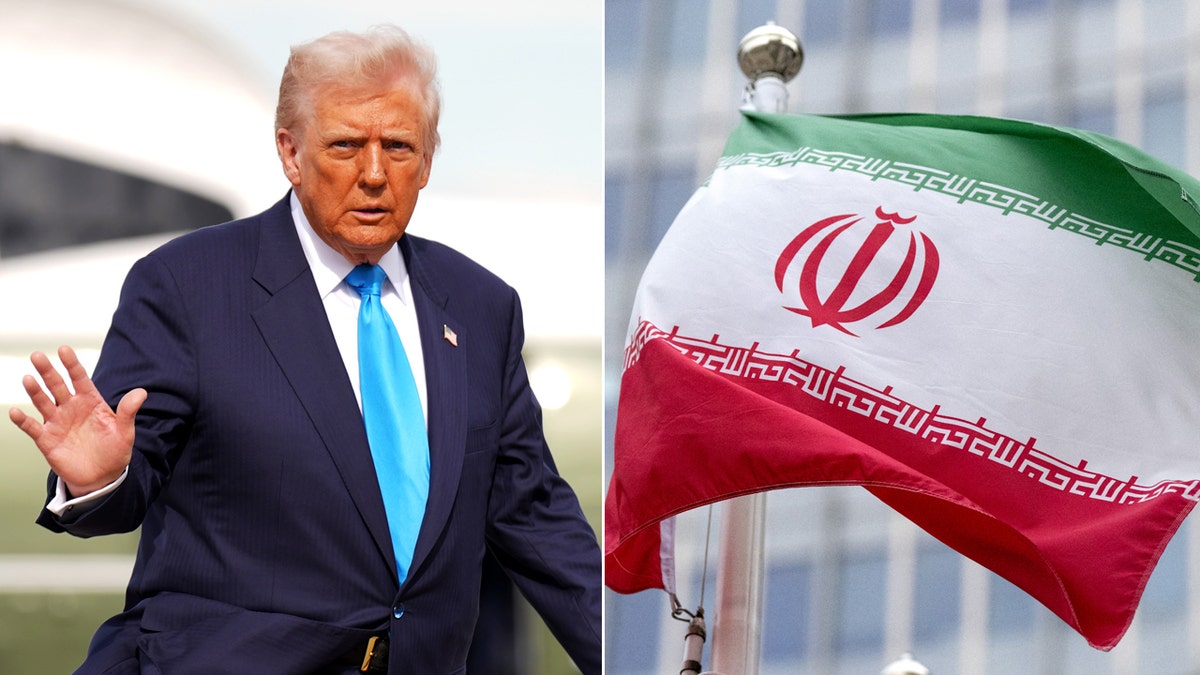
Observers are particularly focused on whether the U.S. will seek to revitalize the “Abraham Accords” framework, which facilitated normalization between Israel and several Arab nations during Trump’s first term. Whether this approach can be reconciled with the ongoing conflict in Lebanon and the nuclear standoff with Iran remains the subject of intense debate among geopolitical analysts. Readers are encouraged to follow official government statements for verified updates on these developments and share their thoughts on the shifting dynamics of U.S. foreign policy in the comments below.