Sofia, Bulgaria – Global markets are reacting to escalating tensions in the Middle East as the conflict between Israel and Iran intensifies, with oil prices surging past $100 a barrel for the first time since 2022. Amidst the turmoil, former U.S. President Donald Trump has downplayed the economic impact, stating that increased oil costs are “a very small price to pay” for achieving world peace. This comes as Iran navigates a leadership transition following the death of Ayatollah Ali Khamenei and faces continued strikes, while other global events unfold, from political trials in Turkey to instability in South Sudan.
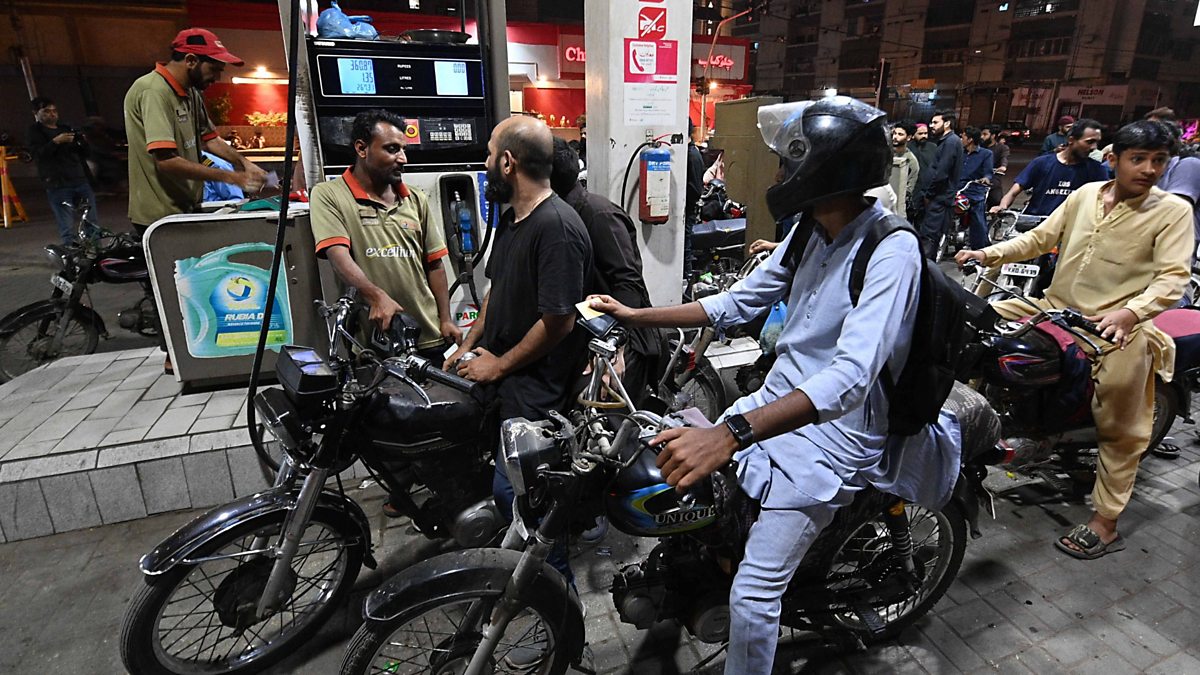
The benchmark Brent crude oil price briefly exceeded $100 a barrel, reflecting fears that the U.S.-Israeli war with Iran will be prolonged and disrupt global energy supplies. According to CBS News, barrels of Brent and U.S. Crude are currently 36% and 42% more expensive, respectively, than before the conflict began on February 28th. The economic fallout is being felt worldwide, impacting consumers and businesses alike as fuel costs rise. Trump, however, has attempted to reassure the public, suggesting the war is “very complete, pretty much” and that a swift resolution is within reach.
Escalating Conflict and Leadership Transition in Iran
The conflict has seen a significant escalation in recent days, with Israel issuing shelter orders following waves of missile launches from Iran, as reported by the BBC. Trump, speaking in Florida, alluded to a previous “excursion” undertaken to “gain rid of some evil,” referencing the killing of Iranian military leader Qasem Soleimani during his first term in office. He believes the current situation will be a “short term excursion” and that the U.S. And Israel are already “crushing the enemy” in a display of “technical skill and military force.” He further claimed that 46 Iranian ships have been sunk, stating he was told it was “more fun to sink them” than capture them.
Adding to the complexity, Iran has appointed Mojtaba Khamenei as its new Supreme Leader following the death of his father, Ayatollah Ali Khamenei. Thousands of Iranians celebrated the appointment, but the transition occurs amidst ongoing conflict and internal divisions. CBS News reported that one analyst described the new role as the “highest risk job,” highlighting the immense pressure and challenges facing the new leader. Conflicting statements from Iranian officials underscore potential rifts within the leadership, with one official stating Trump “must pay the price” for the war, while another apologized for strikes on Gulf states before retracting the apology following criticism.
Global Repercussions and International Response
The conflict is not limited to the immediate region. Ukrainian President Volodymyr Zelensky has announced plans to send drone experts to the Middle East to assist Gulf states under attack from Iran. This move underscores the interconnectedness of global security challenges and the ripple effects of the U.S.-Israeli war with Iran. Concerns have also been raised regarding the safety of the Iranian women’s football team after they refused to sing their national anthem at the first game of the Asian Cup in Australia, a gesture interpreted by some as a protest against the regime.
China has called for an complete to the conflict, warning that the “flames of war” risk spreading, according to CNN. Chinese Foreign Minister Wang Yi’s appeal comes as President Xi Jinping prepares to host Trump in Beijing, signaling China’s growing concern and its desire for de-escalation. The international community is grappling with how to address the crisis, balancing the need to support allies with the imperative to prevent a wider regional war.
Economic Impact: Oil Prices and Global Markets
The surge in oil prices is a major concern for the global economy. The price increase is impacting transportation costs, manufacturing, and consumer spending. While Trump has minimized the economic consequences, the reality is that sustained high oil prices could contribute to inflation and leisurely economic growth. The situation is being closely monitored by financial markets, with investors seeking safe-haven assets and bracing for potential volatility. The impact extends beyond oil, with potential disruptions to supply chains and increased geopolitical risk affecting various sectors.
Other Global Developments
Beyond the immediate crisis in the Middle East, several other significant events are unfolding around the world. In Turkey, opposition leader Ekrem Imamoğlu is on trial for corruption, a case he describes as politically motivated. This trial raises concerns about the state of democracy and the rule of law in Turkey. Meanwhile, South Sudan continues to grapple with instability and the threat of a return to civil war, highlighting the ongoing challenges facing the world’s youngest nation.
In a lighter note, scientists have discovered an ancient Egyptian equivalent of correction fluid, offering a glimpse into the ingenuity and resourcefulness of ancient civilizations. This discovery, while seemingly unrelated to the current geopolitical tensions, underscores the importance of preserving and studying cultural heritage.
The situation remains fluid and unpredictable. Trump is expected to provide an update on the war at a news conference in Miami. The coming days and weeks will be critical in determining whether the conflict can be contained and de-escalated, or whether it will spiral into a wider regional war. The global community is watching closely, hoping for a peaceful resolution and a return to stability.
The next key development to watch will be President Trump’s scheduled news conference in Miami, where he is expected to provide further details on the U.S. Strategy and outlook for the conflict. Stay informed and engaged with World Today Journal for ongoing coverage of this evolving situation. We encourage you to share your thoughts and perspectives in the comments below.
Related reading