Trump’s shift on Ukraine: From Skepticism to Calls for Total victory
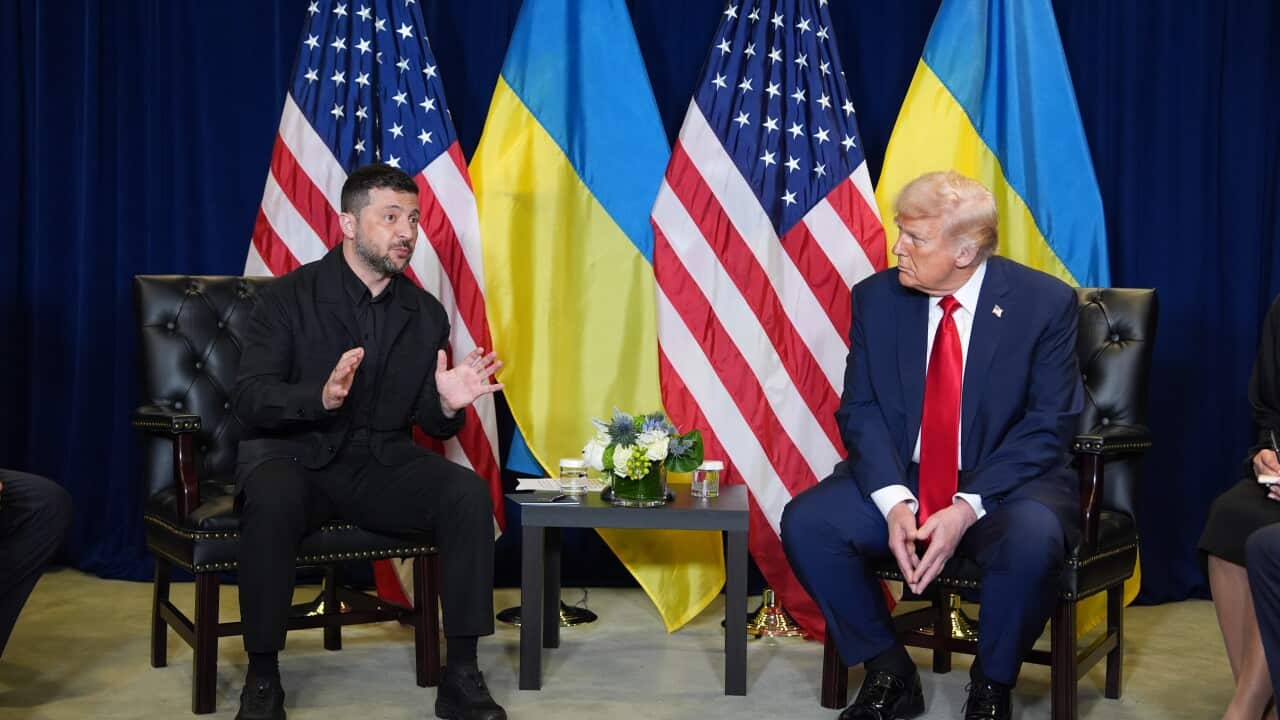
For months, the international community has scrutinized Donald Trump‘s stance on the conflict in Ukraine, marked by periods of ambiguity and perceived reluctance to fully commit to supporting Kyiv. Though, a critically important shift appears to have occurred following a recent meeting between Trump and Ukrainian President Volodymyr Zelenskyy on the sidelines of the UN General Assembly.This article delves into the details of this evolving position,analyzing Trump’s newfound optimism regarding Ukraine’s potential for victory,his strong rhetoric towards Russia,and the implications for the ongoing war.
From “no Cards” to a Call for Total Reclamation
Previously, Trump’s public statements regarding Ukraine were often characterized by skepticism. In Febuary, a highly publicized and reportedly tense Oval Office meeting saw Trump telling Zelenskyy that Ukraine “didn’t have the cards” to win the conflict. This assessment, coupled with his perceived closeness to Russian President Vladimir Putin – evidenced by a mid-August summit in Alaska where Putin received a lavish welcome – fueled concerns among Ukrainian officials and Western allies that Trump’s support for Ukraine was wavering.
However, the tone has dramatically changed. Following his meeting with Zelenskyy, Trump took to his Truth Social network to declare, “I think Ukraine, with the support of the European union, is in a position to fight and WIN all of Ukraine back in its original form.” He further asserted that Russia is a “paper tiger,” currently facing “BIG Economic trouble,” presenting a strategic window for Ukraine to act decisively.Trump even suggested the possibility of Ukraine exceeding its original territorial boundaries,stating,”who knows,maybe even go further than that!”
This represents a stark departure from earlier pronouncements and signals a possibly more assertive approach to the conflict. The shift is particularly noteworthy given Trump’s past criticisms of NATO and his questioning of the financial commitments made by European nations to Ukraine’s defense.
Economic Pressure and a Call for NATO Action
Trump’s revised perspective isn’t solely focused on Ukraine’s military capabilities. He’s also emphasized the importance of economic pressure on Russia.He echoed Zelenskyy’s call for European nations to cease purchasing Russian oil, a move that would considerably cripple Russia’s economy, its primary source of revenue fueling the war effort.
Moreover, Trump took a surprisingly hawkish stance regarding NATO’s response to Russian airspace violations. When asked directly if NATO countries should shoot down Russian aircraft entering their airspace, he responded with a firm, “Yes I do.” This statement, while potentially escalating tensions, underscores a willingness to defend NATO allies and deter further Russian aggression.It also highlights a perceived weakness in NATO’s current response, suggesting Trump believes a more forceful stance is necessary.
Zelenskyy’s response and the Plea for Chinese Intervention
Ukrainian President Zelenskyy welcomed Trump’s apparent change of heart, expressing gratitude for his “personal efforts to stop this war.” he also reinforced the call for European nations to curtail their reliance on Russian energy.
Concurrently, Zelenskyy addressed the UN Security Council, making a direct appeal to China to leverage its influence over Russia. He argued that without China’s support, “Putin’s Russia is nothing,” and that Beijing holds the key to compelling Moscow to end the invasion.this plea reflects Ukraine’s growing desperation for international support and its recognition of China’s unique position as a major global power with significant economic ties to Russia.
Evergreen Section: The Geopolitical Landscape of the Ukraine Conflict
The conflict in Ukraine is not simply a regional dispute; it’s a pivotal moment in the evolving global order. The war has exposed vulnerabilities in international security structures, highlighted the dangers of unchecked aggression, and underscored the interconnectedness of the global economy. Beyond the immediate humanitarian crisis,the conflict has triggered a reassessment of defense strategies,energy policies,and geopolitical alliances worldwide. The long-term consequences will likely include a reshaping of the European security architecture, increased investment in defense capabilities, and a renewed focus on energy independence. Understanding these broader implications is crucial for navigating the complex challenges of the 21st century. The role of major powers – the United States, China, and the European Union – will be paramount in determining the ultimate outcome and shaping the future of international relations.
FAQ Section: Understanding Trump’s Position on Ukraine
Q: Has Donald Trump always supported Ukraine’s efforts to defend itself against Russia?
A: No. Initially, Trump expressed skepticism about ukraine’s ability to win and questioned the level of financial support being provided. His recent statements, though, indicate a significant shift towards stronger support for Ukraine’s territorial integrity.
**Q: What did Trump mean when