
President Donald Trump has asserted that the United States has total control over the Strait of Hormuz following Iran’s seizure of two container ships, escalating tensions in a critical global shipping lane. The Strait of Hormuz, a narrow waterway between Oman and Iran, serves as a vital artery for approximately one-fifth of the world’s oil supply, making any disruption a matter of international concern. Trump’s declaration came amid heightened military posturing, including his order to the U.S. Navy to “shoot and kill” any Iranian vessels attempting to lay mines in the strait.
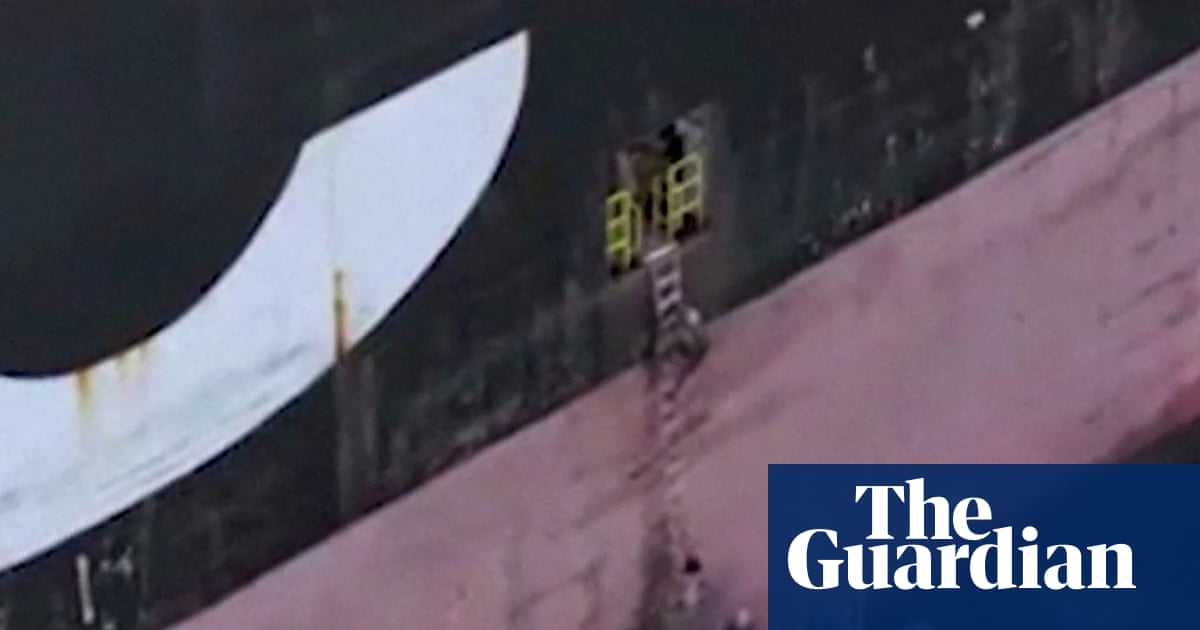
The incident began when Iran’s Islamic Revolutionary Guard Corps (IRGC) seized the MSC Aries and another container vessel, accusing them of violating maritime regulations. Iranian state media reported that the ships were detained for “navigational violations” and involvement in activities linked to Israel, though no specific evidence was publicly presented. The MSC Aries, registered in Panama and operated by a Swiss-based shipping company, was transiting through internationally recognized waters when intercepted, according to maritime tracking data.
Trump responded swiftly, framing Iran’s actions as provocative and unlawful. In a social media post, he stated that he had directed U.S. Naval forces to use lethal force against any Iranian boat engaged in mine-laying activities, emphasizing there would be “no hesitation.” He further claimed that Iran’s naval capabilities had been largely neutralized, asserting that “their naval ships are ALL, 159 of them, at the bottom of the sea!”—a statement not corroborated by independent defense analysts or satellite imagery.
The U.S. Central Command confirmed an increase in naval patrols in the region but did not verify Trump’s claim about the status of Iran’s fleet. Officials noted that even as the U.S. Maintains a robust presence in the strait to ensure freedom of navigation, it does not exercise sovereign control over the waterway, which is governed by international maritime law under the United Nations Convention on the Law of the Sea (UNCLOS). Iran, like other coastal states, holds territorial waters extending 12 nautical miles from its shore, within which it may regulate certain activities.
Despite Trump’s assertions of total control, the Strait of Hormuz remains an international transit passage where all nations enjoy the right of innocent passage, including warships and commercial vessels. The U.S. Has long conducted freedom of navigation operations (FONOPs) in the area to challenge excessive maritime claims, but these do not equate to sovereignty or unilateral authority to close or militarily dominate the strait.
Iran’s seizure of the vessels follows a pattern of reciprocal actions in the ongoing shadow conflict between Tehran and Washington, which has included previous tanker seizures, drone incidents, and cyber operations. Analysts suggest that Iran’s move may be intended to pressure the U.S. Over sanctions or to assert leverage in indirect negotiations concerning its nuclear program, though no formal talks are currently underway.
The global shipping industry has expressed alarm over the rising risk of miscalculation. Major insurers have issued advisories urging vessels to exercise caution when transiting the strait, and some shipping lines have begun evaluating alternative routes, despite the significant increase in transit time and cost. The World Shipping Council emphasized that any sustained disruption could trigger spikes in energy prices and supply chain delays worldwide.
As of Thursday, April 23, 2026, the MSC Aries remains under Iranian control, with no official timeline for its release. Iranian authorities have not permitted consular access to the crew, whose nationalities include individuals from India, Pakistan, and the Philippines. The International Maritime Organization (IMO) has called for the immediate release of the vessels and crew, urging de-escalation through diplomatic channels.
Looking ahead, the next confirmed development is the scheduled review of the situation by the United Nations Security Council, which has been requested by several member states concerned about threats to international peace and security. No date has been set for the meeting, but diplomatic sources indicate it could occur within the coming week if tensions persist.
For ongoing updates, readers are encouraged to consult official statements from U.S. Central Command, Iran’s Ministry of Foreign Affairs, and the International Maritime Organization. Share your thoughts on this developing story in the comments below, and support spread awareness by sharing this article with others interested in global affairs and maritime security.