
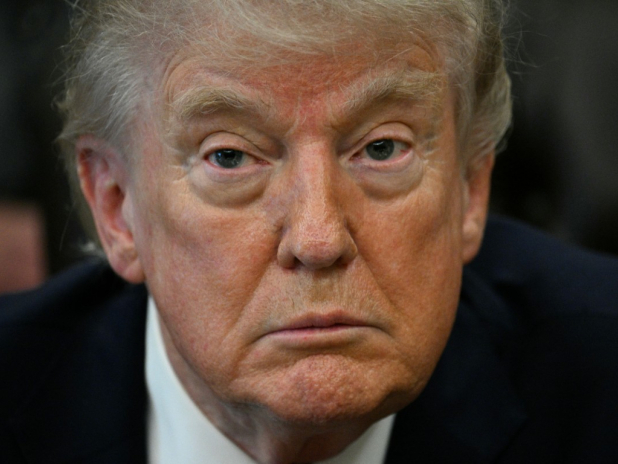
On April 23, 2026, U.S. President Donald Trump announced via social media that American forces had achieved full control of the Strait of Hormuz and ordered the Navy to sink any vessels laying mines in the critical waterway. The declaration came amid heightened tensions between the United States and Iran, with both sides attempting to leverage control of the strait—a vital chokepoint for global oil shipments—as bargaining power in ongoing negotiations. Trump stated that the strait would remain under a strict U.S.-enforced blockade until an agreement is reached with Iran, emphasizing that no vessel may pass without explicit American naval approval.
According to Trump’s post, U.S. Minesweeping crews are actively clearing Iranian-laid mines from the strait, and he has directed that these operations continue with triple the usual intensity. He further instructed the Navy to show no hesitation in destroying any ship engaged in mine-laying activities within the waterway. The Strait of Hormuz, located between Oman and Iran, serves as a conduit for approximately 20% of the world’s petroleum supply, making its security a matter of significant international concern.
Iranian officials have responded by asserting their own efforts to maintain control over maritime traffic in the strait. Reports indicate that Iran’s Revolutionary Guard Corps seized two vessels on April 22 and opened fire on three additional ships transiting the area within a 24-hour period. Iranian authorities maintain that they will continue to regulate navigation through the strait until the broader conflict is resolved.
Independent assessments suggest that clearing the mines deployed by Iran could take up to six months. The U.S. Department of Defense has reportedly evaluated that extensive mine remediation efforts will be required to restore safe passage for commercial and military vessels. Despite these challenges, Trump affirmed that the United States has already secured complete dominance over the strait’s movements.
The developments occur against the backdrop of a temporary ceasefire between the U.S. And Iran, initially announced in late February following joint U.S.-Israeli strikes on Iranian targets. Although the ceasefire has been extended multiple times, diplomatic talks have stalled, with Iranian officials dismissing recent U.S. Proposals as meaningless. Vice President JD Vance’s planned visit to Pakistan was postponed, and Iran confirmed it would not engage in negotiations in Islamabad.
Internationally, Italy has signaled its intention to contribute to maritime security operations in the strait as part of a multinational mission, preparing to deploy up to four naval vessels, including two minesweepers. These efforts aim to support freedom of navigation amid the escalating standoff.
The situation remains fluid, with both Washington and Tehran issuing competing claims about who controls the strategic waterway. Global energy markets continue to monitor the crisis closely, given the strait’s role in transporting crude oil from major producers in the Middle East to markets worldwide.
As of this report, no formal agreement has been reached between the U.S. And Iran regarding the future status of the Strait of Hormuz or broader terms to de-escalate the conflict. Observers note that any prolonged disruption to shipping could trigger significant economic repercussions beyond the immediate region.
For ongoing updates on diplomatic developments and military activity in the Strait of Hormuz, readers are encouraged to consult official statements from the U.S. Department of Defense and Iran’s Ministry of Foreign Affairs.
Share your thoughts on this developing story in the comments below, and help spread awareness by sharing this article with your network.