
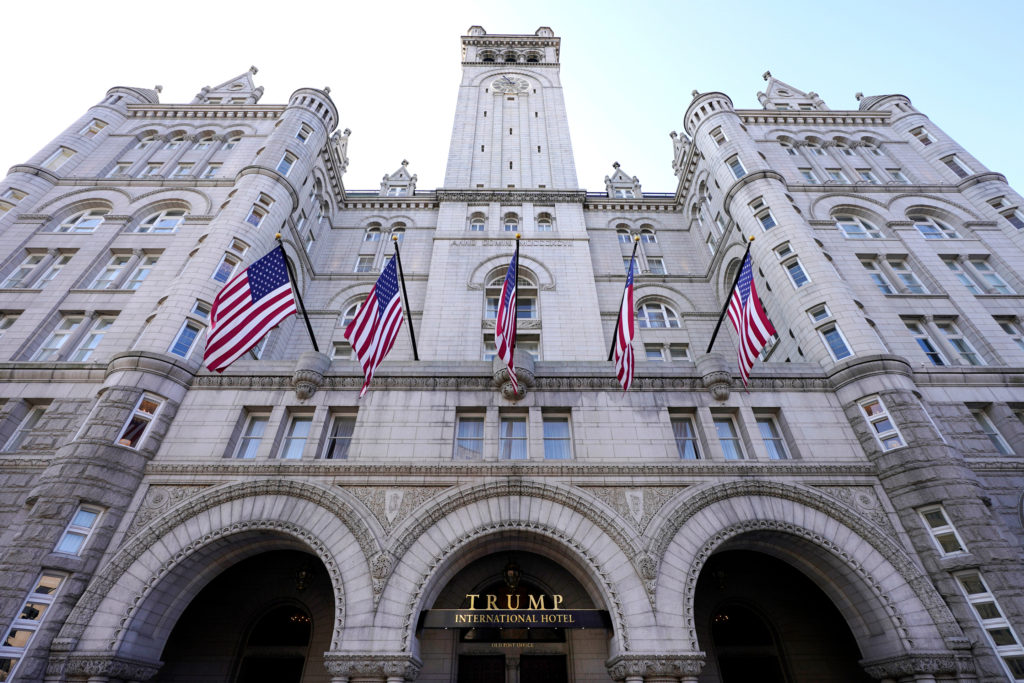
The intersection of private enterprise and public office has long been a focal point of ethical debate in global governance. However, the scale and nature of the Trump family’s current business trajectory are introducing a new paradigm for how the U.S. Presidency may be leveraged for financial gain. As the Trump family expands its portfolio into highly speculative markets, the potential for future presidents to profit from office is becoming a central concern for economists and policy experts alike.
Since the reelection of Donald Trump, the family’s business ventures have seen an aggressive surge in activity. According to reports, ventures launched by the Trump family since the reelection have generated at least $4 billion in proceeds and paper wealth. This rapid accumulation of wealth is not merely a result of existing assets but is driven by a strategic pivot toward emerging technologies and high-risk financial sectors.
The Trump Organization, a privately owned conglomerate that includes roughly 250 affiliates and subsidiaries, is increasingly integrating its empire into the broader U.S. Economy. By moving beyond traditional real estate and hospitality, the family is now positioning itself within sectors that are subject to heavy government regulation, creating a complex web of potential conflicts of interest that could set a precedent for subsequent administrations.
Strategic Pivots: AI, Crypto, and Nuclear Fusion
The current investment strategy of the Trump family is characterized by a focus on “very speculative, highly risky corners of financial markets.” This shift is evident in their pursuit of ventures that align with the future of digital infrastructure and energy. One of the most prominent examples is the Trump Organization’s planned $6 billion merger with a firm aiming to build a nuclear fusion plant. The intended purpose of this plant is to provide power for AI data centers, effectively linking the family’s wealth to the critical infrastructure of artificial intelligence.

Beyond energy, the family has ventured into the volatile world of digital assets through the cryptocurrency project World Liberty Financial. These moves represent a departure from the more static assets of the past, such as the Trump Tower headquarters in New York City. By entering the AI and crypto spaces, the Trump family is operating in areas where government policy—ranging from SEC regulations to energy subsidies—can instantaneously impact valuations.
This proximity to power raises significant questions about how the valuation of these deals is determined. Because the U.S. Government regulates the very sectors the family is now investing in, there is a risk that political influence could be used to inflate the “paper wealth” of these ventures, creating a blueprint for future leaders to treat the presidency as a catalyst for private equity growth.
The Evolution of the Trump Organization
To understand the current scale of these operations, one must look at the history of the Trump Organization, Inc. Founded in 1927 as E. Trump & Son by Elizabeth Christ Trump and Fred Trump, the company evolved under Donald Trump’s leadership starting in 1971. Even as the organization has historically focused on construction, real estate development, and hospitality, its current trajectory is far more diversified.
The organization’s reach is now global, with a wide array of services including telecommunications, retail, and online shopping. As of 2024, the estimated revenue for the conglomerate was approximately US$600 million. The leadership structure has also shifted over time; after Donald Trump handed off leadership to his children in 2017, Donald Trump Jr. And Eric Trump took on roles as Executive Vice Presidents, with Matthew Calamari serving as Chief Operating Officer.
The contrast between the first and second terms of the presidency is stark. While the Trump Organization reportedly avoided overseas deals during the first term, the recent trend shows a marked increase in international business activity. This shift suggests a move away from the traditional “blind trust” or distancing approach to business during a presidency, moving instead toward a model of active integration.
Implications for Future Presidential Ethics
The primary concern for global markets and democratic institutions is whether this behavior normalizes the use of the presidency to enrich a leader’s private business empire. When a president’s family invests in sectors like nuclear fusion and AI data centers—industries that rely on government permits, land use agreements, and regulatory approvals—the line between public policy and private profit blurs.
This creates a potential “feedback loop” where policy decisions are not made solely on the basis of national interest, but on how they affect the valuation of the president’s personal holdings. If this model becomes accepted, future presidents may feel encouraged to launch speculative ventures during their tenure, knowing that their proximity to power can secure favorable deals or higher valuations from investors seeking political access.
The impact extends beyond the U.S. Borders. As the Trump Organization expands its global footprint, the potential for foreign governments to influence U.S. Policy by investing in Trump family businesses increases. This “coupling of economic and political influence” could redefine the ethical standards of the executive branch, shifting the role of the president from a public servant to a chief executive of a politically-backed conglomerate.
Key Takeaways on the Trump Business Model
- Diversification: The family has shifted from traditional real estate toward AI, cryptocurrency, and nuclear fusion.
- Valuation Growth: New ventures since the reelection have generated at least $4 billion in proceeds and paper wealth.
- Regulatory Conflict: Investments are concentrated in sectors heavily regulated by the U.S. Government.
- Institutional Shift: The move from avoiding overseas deals in the first term to active global expansion in the current era.
As the Trump family continues to integrate its business empire into the wider U.S. Economy, the global community will be watching how these conflicts of interest are managed. The precedent set here will likely dictate the ethical boundaries—or lack thereof—for future leaders who enter office with extensive private business interests.
The next critical point of observation will be the progression of the planned $6 billion merger regarding the nuclear fusion plant and any subsequent regulatory filings that may reveal the specifics of the deal’s structure.
We invite our readers to share their perspectives on the intersection of private wealth and public office in the comments below.