
President-elect Donald Trump continues to advocate for the appointment of Bill Pulte as acting Director of National Intelligence (DNI), a move that has intensified debates regarding the oversight of the U.S. intelligence community. The push for Pulte’s confirmation occurs alongside a broader administration request for a short-term extension of the Foreign Intelligence Surveillance Act (FISA), specifically targeting the authority that governs foreign surveillance operations.
The transition team’s insistence on Pulte’s selection has drawn sharp criticism from Democratic leadership. House Minority Leader Hakeem Jeffries recently characterized Pulte as “deeply unqualified” to lead the nation’s intelligence efforts, citing a lack of traditional security clearance and experience within the intelligence apparatus. The DNI position serves as the primary advisor to the president on intelligence matters, overseeing the 18 agencies that comprise the U.S. Intelligence Community, as defined by the Office of the Director of National Intelligence.
The Role of the Director of National Intelligence
The DNI is responsible for integrating foreign, military, and domestic intelligence in defense of the United States and its interests abroad. Historically, the position has been held by individuals with extensive backgrounds in national security, military service, or intelligence operations. The nomination process typically involves a rigorous vetting of an individual’s experience, security clearance history, and policy alignment with the mission of the intelligence agencies.
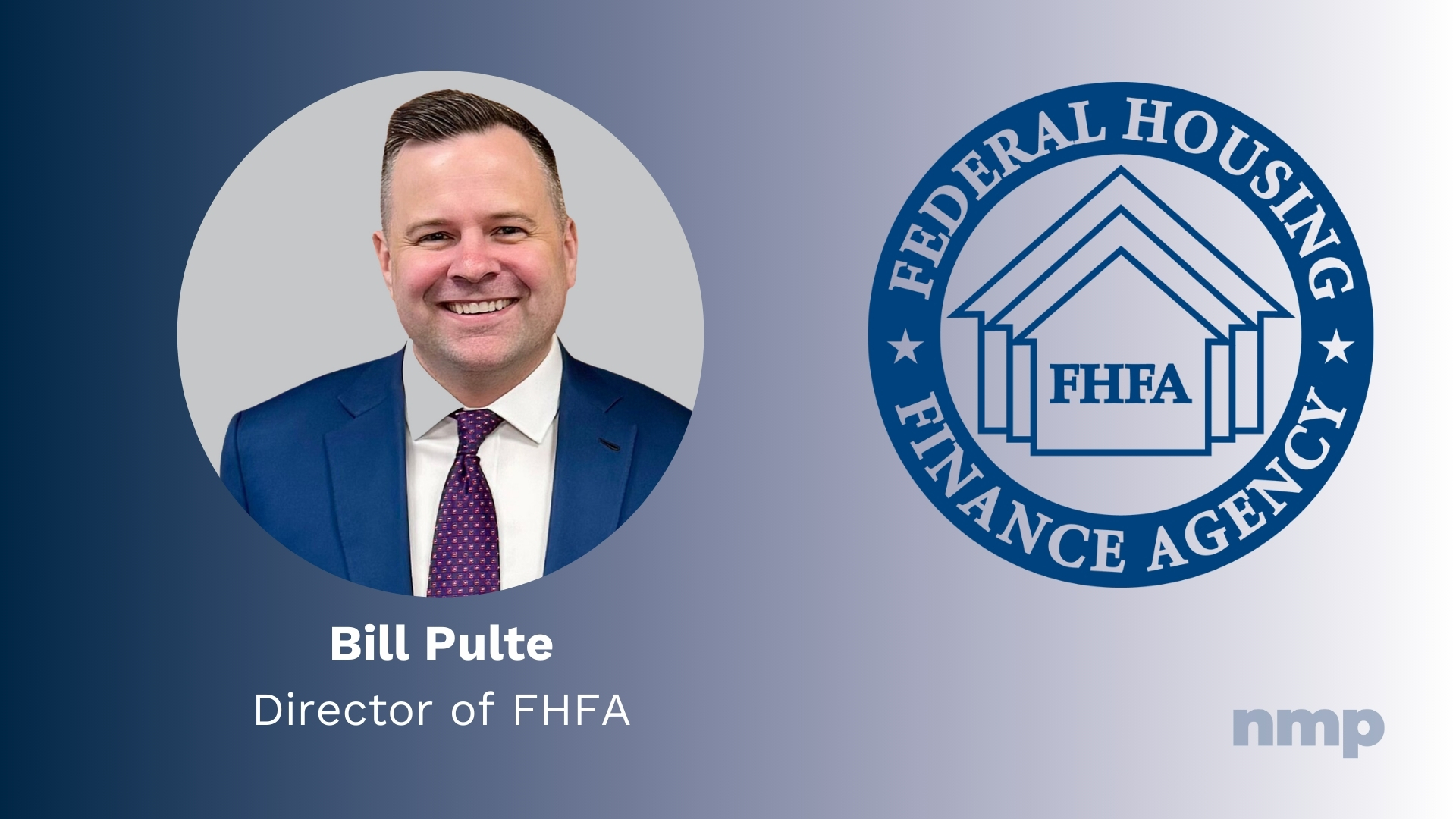
Pulte, a philanthropist known for his social media presence and charitable initiatives, lacks the conventional resume associated with a cabinet-level intelligence appointment. According to reporting from PBS News, opponents of the nomination argue that the complexity of the role requires a candidate with a deep understanding of classified systems, legislative requirements, and interagency coordination. The debate underscores a recurring tension between incoming administrations seeking to appoint loyalists and the established institutional requirements for high-level security posts.
Legislative Standoff Over Surveillance Authorities
Beyond the staffing controversy, the Trump transition team has requested that Congress approve a short-term extension of expiring provisions under the Foreign Intelligence Surveillance Act. The law, which was most recently amended by the Reforming Intelligence and Securing America Act, governs the collection of intelligence on non-U.S. persons located outside the country.

The request for an extension has met with resistance from lawmakers who have expressed concerns regarding privacy protections and the scope of surveillance powers. As reported by Politico, the administration’s strategy appears aimed at securing a temporary bridge for these authorities while the new team settles into office. This legislative maneuvering is complicated by the fact that the House and Senate remain divided on the necessity of immediate reforms versus a clean extension of current surveillance protocols.
Institutional Impact and Oversight
The intersection of a contested intelligence leadership appointment and the renewal of surveillance laws has created a significant hurdle for the upcoming transition. Intelligence oversight committees in both chambers of Congress are expected to play a decisive role in the coming weeks. The House Permanent Select Committee on Intelligence and the Senate Select Committee on Intelligence maintain the authority to hold hearings and request briefings on both the suitability of nominees and the operational impact of surveillance law changes.
Observers note that the outcome of these negotiations will signal the incoming administration’s priorities for the intelligence community. While the executive branch holds considerable power in selecting its cabinet, the confirmation process serves as the primary check against appointments that lack broad institutional support. Whether the administration will adjust its strategy regarding the nominee or the surveillance bill remains to be seen as legislative deadlines approach.
Next Steps for Congressional Review
The next major checkpoint for these issues will be the upcoming legislative session, where lawmakers are expected to address the expiring surveillance provisions. Congressional leadership has not yet finalized a schedule for confirmation hearings regarding the DNI position. Updates on these matters will be available via official Congressional record filings and public announcements from the transition team as the inauguration date nears.

Readers are encouraged to participate in the conversation by sharing their perspectives in the comments section below. Stay tuned to World Today Journal for ongoing coverage of the transition and the evolving status of national security policy.
Worth a look