
Global energy markets reacted sharply on Monday as oil prices jumped after President Donald Trump dismissed a peace proposal from Iran, signaling a deepening of the military and diplomatic deadlock in the Middle East. The rejection of the counteroffer has heightened fears of a prolonged conflict and potential disruptions to critical shipping lanes, sending shockwaves through commodity traders and geopolitical analysts alike.
The escalation follows a period of intense, high-stakes diplomacy intended to end the hostilities. However, the current trajectory suggests a return to a “peace through strength” posture, as the U.S. Administration maintains a strict naval blockade and rejects terms it deems insufficient for a lasting ceasefire. The volatility in oil prices reflects the market’s sensitivity to the stability of the Persian Gulf, where a significant portion of the world’s petroleum supply is transported.
At the center of the crisis is a fundamental disagreement over the terms of a ceasefire. While the Trump administration has sought a comprehensive resolution that ensures regional stability and limits Iranian influence, Tehran has countered with demands that the U.S. Views as unacceptable. The resulting impasse has not only stalled diplomatic progress but has also led to direct military confrontations at sea.
The Diplomatic Collapse: Trump Rejects Iranian Counteroffer
President Trump characterized Iran’s latest response to a U.S. Ceasefire proposal as “totally unacceptable,” according to reports from CBS News. While the President did not provide specific details regarding the exact points of contention or outline the immediate next steps for the administration, the bluntness of the dismissal suggests a significant gap between the two nations’ requirements for peace.
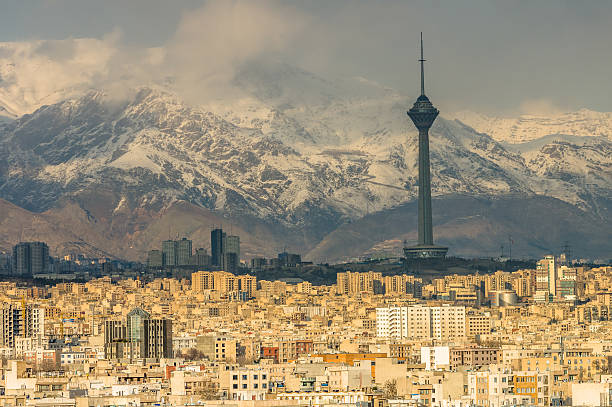
In response, the Iranian foreign ministry defended its position, asserting that Tehran is not seeking “concessions” but rather the restoration of its “legitimate rights.” Esmaeil Baqaei, a spokesman for the ministry, stated in a weekly press briefing that Iran’s demands include a comprehensive end to the war across the region and the termination of the U.S. Naval blockade. Crucially, Iran is demanding the release of frozen Iranian assets currently held in foreign banks, which Baqaei described as assets “belonging to the Iranian people” that have been “unjustly trapped” for years.
The deadlock persists despite efforts by regional intermediaries. Qatar’s Prime Minister recently traveled to Miami to engage in high-level discussions with key members of the Trump administration. These meetings included Vice President JD Vance, Secretary of State Marco Rubio and Steve Witkoff, the administration’s envoy to the Middle East. While the primary focus of these talks was the effort to end the Iran war, the subsequent rejection of the peace proposal suggests that these diplomatic channels have yet to produce a viable compromise.
Naval Confrontations and the US Blockade
The diplomatic stalemate is playing out in real-time through military escalation in the Persian Gulf. The U.S. Military has intensified its enforcement of a naval blockade, a move designed to exert maximum pressure on the Iranian government. This strategy has already led to direct kinetic engagements.
Tensions reached a breaking point when U.S. Military forces fired upon two Iran-flagged oil tankers. The action was taken to prevent the vessels from docking at an Iranian port, which the U.S. Identified as a violation of the existing blockade. This move underscores the administration’s commitment to neutralizing Iran’s ability to bypass economic sanctions and military restrictions.
The Iranian Revolutionary Guards have responded with direct threats, warning that they will target U.S. Sites throughout the Middle East if Iranian tankers continue to come under fire. This cycle of provocation and response increases the risk of a wider regional conflict, as both sides appear prepared to use force to achieve their strategic objectives. The threat of attacks on U.S. Infrastructure further destabilizes the region, complicating the efforts of the U.S. Navy to maintain the blockade while protecting its own assets.
Economic Fallout: Why Oil Prices are Surging
The immediate spike in oil prices is a direct result of the perceived risk to the global energy supply chain. The Persian Gulf, and specifically the Strait of Hormuz, serves as a global chokepoint through which a vast amount of the world’s crude oil passes. Any indication that this waterway could become a primary battleground typically triggers an immediate “risk premium” in oil pricing.
Traders are currently pricing in several critical risks:
- Supply Disruption: The U.S. Naval blockade already restricts the flow of Iranian oil, but a full-scale escalation could lead to accidental or intentional disruptions of other regional exports.
- Infrastructure Attacks: The Iranian Revolutionary Guards’ threat to target U.S. Sites suggests that energy infrastructure—including refineries and terminals—could become targets.
- Prolonged Conflict: The dismissal of the peace proposal suggests that the “war” is not nearing a conclusion, leading markets to expect long-term volatility rather than a swift return to stability.
From a macroeconomic perspective, a sustained increase in oil prices threatens to drive up inflation globally, complicating the efforts of central banks to maintain price stability. For the Trump administration, which has emphasized energy dominance and lowering costs for American families as central pillars of its second term, the surge in energy prices presents a domestic political challenge alongside the geopolitical crisis.
The Human Cost and Political Stakes
Beyond the economic and military maneuvers, the conflict continues to take a severe toll on human rights and internal stability within Iran. The Iranian government has intensified its crackdown on suspected dissidents and foreign agents. On Monday, Iranian authorities announced the hanging of Erfan Shakourzadeh, a man convicted of spying for the United States and Israel’s Mossad. This execution is part of a broader wave of state-led violence occurring during the ongoing conflict.
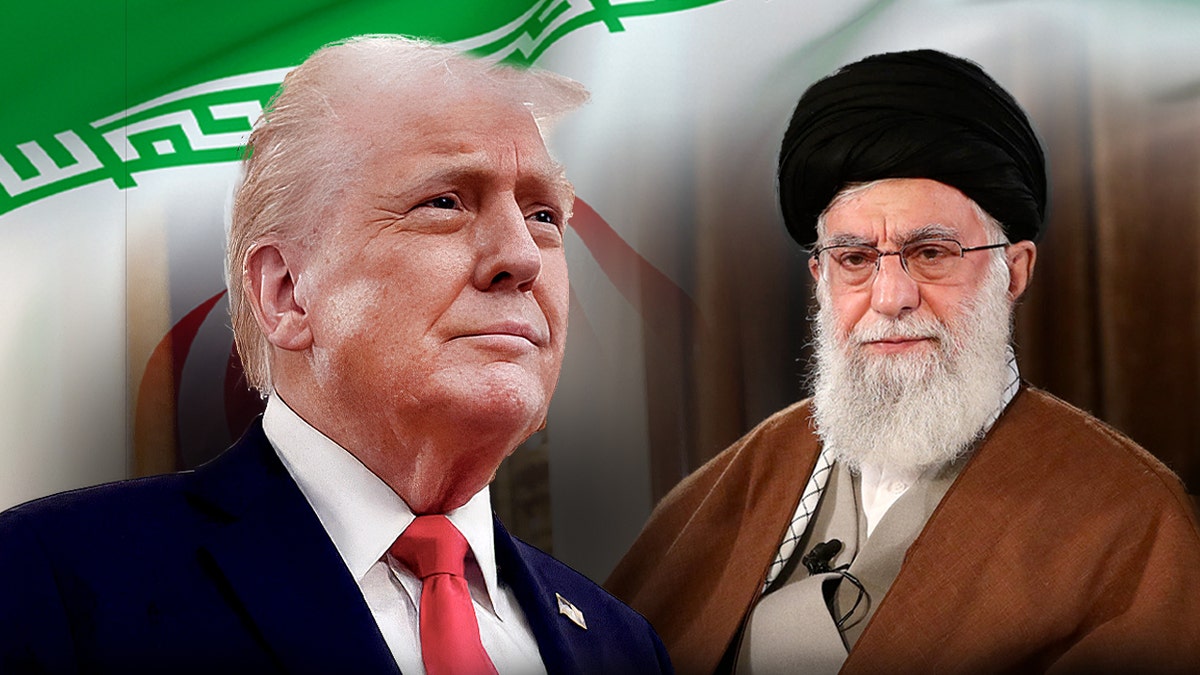
The internal pressure on the Iranian leadership is mounting. The combination of a strict U.S. Blockade, frozen foreign assets, and the inability to secure a favorable peace deal has strained the Iranian economy. However, the regime appears to be doubling down on its defiance, with state rhetoric emphasizing that Iran will not “bow” to U.S. Demands.
For the United States, the stakes involve the credibility of its “peace through strength” doctrine. The administration is betting that the combination of military pressure (the blockade) and diplomatic inflexibility will eventually force Tehran to accept terms that fundamentally alter its regional behavior. However, the immediate result has been a jump in oil prices and an increase in the likelihood of military clashes.
What Happens Next?
The immediate focus of the international community is now on whether the Miami talks with Qatar can be revived or if the conflict will enter a new, more aggressive phase. Market analysts will be watching for any signs of a “de-escalation” signal from either Washington or Tehran, as well as any changes in the intensity of the naval blockade.
The next confirmed checkpoint for observers will be the upcoming weekly press briefings from the Iranian foreign ministry and any official statements from the White House regarding the specific “unacceptable” terms of the peace proposal. Until a concrete diplomatic breakthrough occurs, oil prices are expected to remain highly volatile, tethered to the daily developments of the Middle East conflict.
World Today Journal encourages readers to share this report and join the discussion in the comments below regarding the impact of global energy volatility on your local economy.
Keep reading
- The Mystery of Golfer Jesslyn Wijaya’s Disappearance: Full Story and Latest Updates
- Sr Product Applications Specialist – Thermo Fisher Scientific – Austin, TX
- At typically tranquil Camp David, Trump publicly lashes out at political enemies (archyworldys.com)
- Trump’s Pressure on the Fed: The Battle Over Interest Rate Cuts (archynewsy.com)