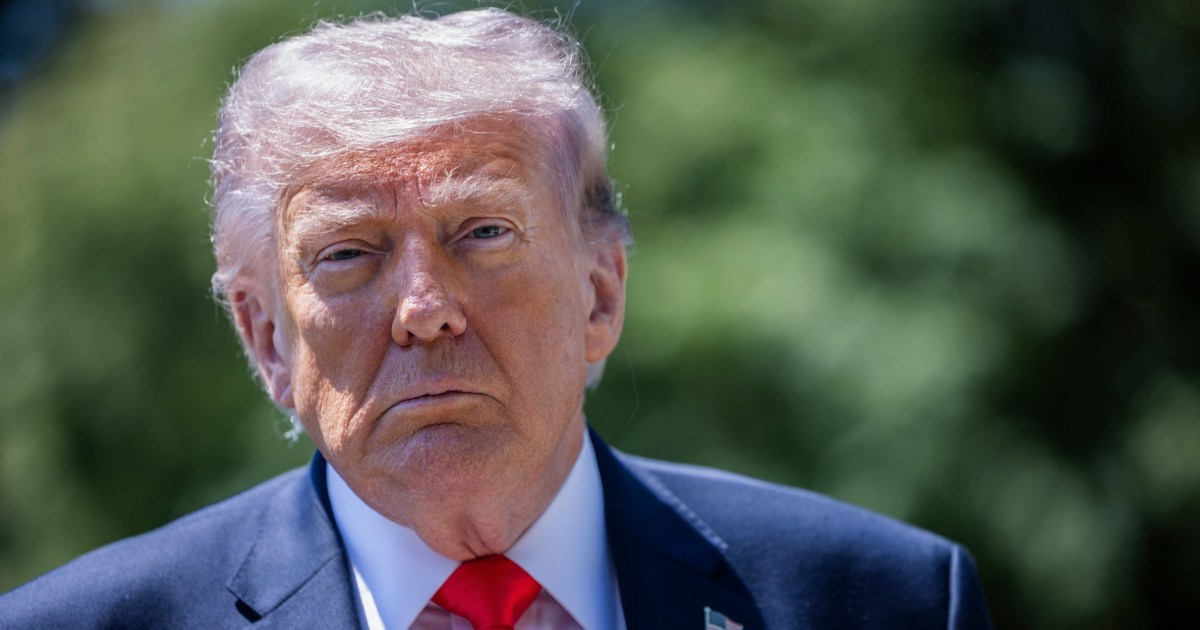
President Donald Trump announced Saturday that he is reviewing a new proposal from Iran intended to end the ongoing conflict, though he expressed significant skepticism regarding its viability. Speaking to reporters at Palm Beach International Airport in Florida on May 2, 2026, before boarding Air Force One, the U.S. President indicated that while he had been briefed on the concept of the deal, he was awaiting the exact wording of the offer. NBC News reported that Trump doubted the terms would be acceptable
.
The diplomatic development comes as the conflict enters its 65th day. The Iranian proposal, which was delivered to Washington through a Pakistani intermediary, is described as a 14-point response to a previous nine-point outline proposed by the United States. According to reports from the semi-official Tasnim news agency, Tehran is seeking a comprehensive settlement to end the war rather than a temporary ceasefire. The Star notes that the Iranian reply specifically addresses the U.S. Proposal and focuses on a permanent conclusion to the hostilities.
Despite the submission of the peace plan, the White House continues to maintain a posture of military readiness. President Trump warned that the United States could resume air strikes if the Iranian government misbehaves
. This cautious approach is mirrored by ongoing strategic movements in the region, including the fast-tracking of billions of dollars in arms sales to Middle East allies to bolster regional deterrence. Al Jazeera reported that the president’s comments were delivered amid increased pressure from Capitol Hill to seek formal approval for the conflict.
The 14-Point Proposal: Tehran’s Demands
The Iranian proposal represents a shift from a short-term truce to a broader strategic agreement. While the U.S. Had previously proposed a two-month ceasefire, Tehran’s 14-point plan seeks a more definitive end to the war. According to Anadolu Ajansi, citing the Tasnim news agency, the Iranian demands include several critical security and economic concessions:

- Guarantees against further U.S. Military action.
- The withdrawal of U.S. Forces from areas surrounding Iran.
- The lifting of the naval blockade currently affecting Iranian shipping.
- Significant sanctions relief to stabilize the Iranian economy.
The use of Pakistan as a diplomatic conduit highlights the complex web of intermediaries required to facilitate communication between Washington, and Tehran. This “back-channel” diplomacy is intended to bridge the gap between the U.S. Demand for a temporary cessation of hostilities and Iran’s insistence on a permanent settlement that includes the removal of U.S. Military presence in the region.
Strategic Stakes and the Strait of Hormuz
The timing of this proposal coincides with extreme volatility in the Strait of Hormuz, one of the world’s most critical maritime chokepoints. The potential for a deal—or the failure of one—has immediate implications for global energy markets and shipping lanes. Reports indicate that maritime traffic has been affected as markets react to the uncertainty of whether the U.S. Will accept the Iranian terms or opt for further escalation.
The U.S. Strategy appears to be one of “maximum pressure” combined with a willingness to negotiate if the price is right. President Trump suggested that Iran has not yet paid a big enough price
to make a deal feasible, according to Siasat. This indicates that the administration may be viewing the current diplomatic overture as a result of military pressure rather than a genuine shift in Iranian policy.
the U.S. Is simultaneously strengthening its regional alliances. The administration is fast-tracking approximately $8 billion
in arms sales to Middle East allies, a move designed to ensure that the U.S. Maintains a dominant military position regardless of the outcome of the 14-point proposal. This dual-track approach—pursuing a diplomatic review while accelerating military buildup—is intended to provide the U.S. With maximum leverage during negotiations.
What Happens Next?
The immediate future of the conflict depends on the White House’s formal evaluation of the 14-point plan. If the proposal is rejected, Iranian officials have suggested that the situation could escalate, though some have indicated that the opening of the Strait of Hormuz could be a precursor to broader nuclear talks. However, the U.S. Has not yet committed to any such framework.

The administration’s next steps will likely involve a detailed analysis of the “exact wording” Trump mentioned on Saturday. Key points of contention are expected to be the U.S. Military footprint in the Persian Gulf and the specific conditions under which sanctions would be lifted. Until a formal response is issued, the region remains in a state of high alert, with both the U.S. And Iran maintaining their military capabilities.
The next confirmed checkpoint is the White House’s formal review of the 14-point proposal; however, no specific date for a public response has been announced. We will continue to monitor official statements from the State Department and the White House for updates on this diplomatic effort.
Do you believe a 14-point comprehensive settlement is possible, or is a temporary ceasefire the only viable path forward? Share your thoughts in the comments below and share this report with your network.
- Exploring the Islands of the Loire River: Nature and Imagination
- Trump Willing to Drop Iran Nuclear Issue to End Conflict and Open Strait of Hormuz
- Trump Pushes SAVE Act to Mandate Voter ID and Proof of Citizenship (newsdirectory3.com)
- Tariff vs. Price Floor: What Trump's New Solar Rule Does (daybreakwire.com)