New York’s $268 Billion Budget Deal: How the New Second-Home Tax Could Reshape Housing and Wealth
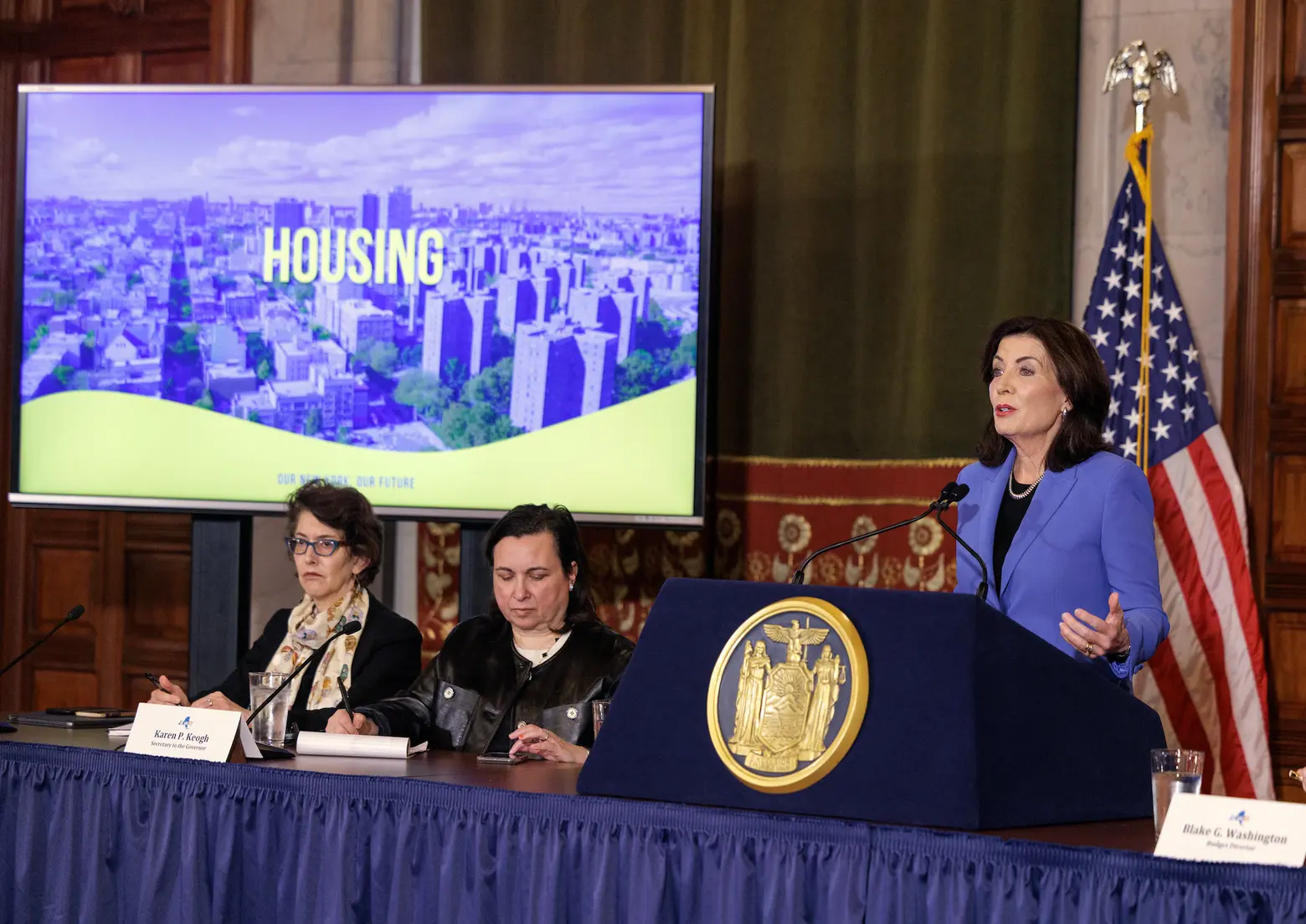
New York Governor Kathy Hochul has finalized a landmark $268 billion state budget for fiscal year 2026-27, a sweeping financial plan that includes one of the most contentious provisions in recent memory: a new tax on second homes. The policy, designed to curb speculative real estate purchases and ease pressure on the state’s housing market, has already sparked debate among property owners, investors, and local governments. But what exactly does this tax entail, who will it affect, and how might it reshape New York’s economic landscape?
Announced during a high-stakes budget negotiation that wrapped up last week, the second-home tax is part of a broader package aimed at addressing New York’s chronic housing affordability crisis. With home prices in cities like New York and Albany soaring beyond the reach of many residents, the state is turning to innovative—and sometimes unpopular—measures to balance supply and demand. The tax, which will apply to properties not used as primary residences, is expected to generate hundreds of millions in additional revenue while sending a clear signal to out-of-state buyers that New York is prioritizing local needs over speculative investment.
Yet the policy also raises critical questions: Will it achieve its goals without driving wealthy owners to sell their properties elsewhere? How will it interact with existing local taxes and assessments? And what does it mean for New York’s reputation as a destination for high-net-worth individuals? Below, we break down the key details of the budget deal, the mechanics of the new tax, and its potential ripple effects on the state’s economy and housing market.
What Is the New Second-Home Tax, and How Will It Work?
The second-home tax is a targeted levy on residential properties that are not occupied by their owners as primary residences. While details are still being finalized, preliminary reports indicate the tax will apply to:
- Vacation homes owned by out-of-state residents
- Investment properties held by landlords or corporations
- Secondary residences in high-demand areas like the Hamptons, Catskills, and Albany
Unlike traditional property taxes, which are based on assessed value, the second-home tax is expected to be a flat or graduated fee tied to the property’s market value or rental income. For example, properties valued over $2 million could face an additional annual tax of up to 1-2% of their assessed value, according to early discussions with state lawmakers. The exact rates and exemptions—such as whether primary residences in other states will qualify for relief—are still under negotiation but will be outlined in the final budget legislation, which is scheduled for public release by May 15, 2026.
Key Takeaway: The tax is not intended to penalize occasional vacationers but to discourage long-term speculative holding. Properties rented out for less than 30 days per year may be exempt, though this threshold could change during legislative review.
Why Is New York Imposing This Tax Now?
New York’s housing crisis has reached a breaking point. Despite being home to some of the most expensive real estate in the U.S., the state has seen a shortage of over 300,000 affordable housing units, according to the New York State Housing Stability and Affordability Report released in 2025. Meanwhile, out-of-state buyers—often driven by low mortgage rates and remote work trends—have flooded the market, pushing prices upward and pricing out local families.
Governor Hochul’s administration argues that the second-home tax is a necessary tool to:
- Reduce speculative demand by making secondary properties less attractive for investors
- Increase housing supply by encouraging owners to rent out or sell properties to primary residents
- Generate revenue to fund affordable housing initiatives, with estimates suggesting the tax could raise $300–500 million annually in its first year
Critics, however, warn that the tax could backfire by pushing wealthy owners to sell properties entirely, further tightening supply. “Here’s a high-risk gamble,” said State Senator James Sanders, a Republican from Albany, in a statement released yesterday. “If we price out investors, we might price out the very people who keep our local economies afloat—small businesses, service providers, and yes, even some homeowners who rely on rental income.”
Who Will Be Affected, and How?
The second-home tax will have uneven impacts across New York’s diverse regions:
1. High-End Coastal and Mountain Communities
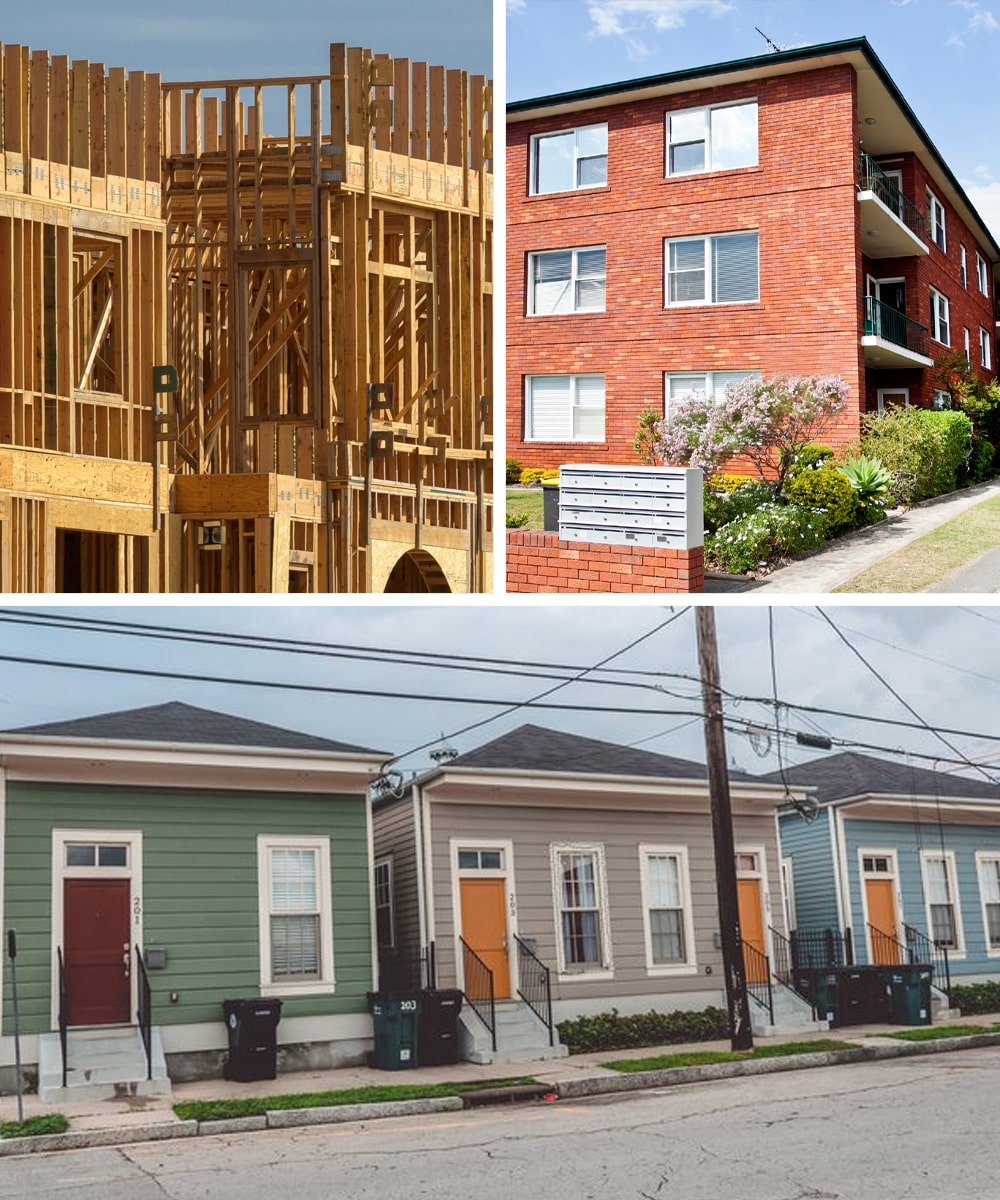
Tourist-heavy areas like the Hamptons, Lake Placid, and the Adirondacks are likely to see the most immediate effects. These regions have long relied on seasonal property owners to sustain local economies, and the tax could reduce demand for second homes by as much as 10–15%, according to a preliminary analysis by the New York State Office of Real Estate Services. Some towns may see a drop in property values, though others could benefit from increased listings as owners seek to avoid the tax.
2. Urban Investment Properties
In cities like New York and Albany, where investment properties are common, landlords may face higher effective tax rates. While the tax is not expected to apply to properties used as primary residences (even if owned by corporations), it could incentivize some landlords to convert units into owner-occupied spaces or sell off underperforming assets. The New York City Housing Authority has already signaled that it will monitor the tax’s impact on rental affordability closely.
3. Out-of-State Buyers
Remote workers and retirees who purchased properties in New York during the pandemic boom may now face higher costs. While the tax is not retroactive, owners who buy second homes after the policy takes effect could see their annual property tax bills rise by hundreds or thousands of dollars. Real estate agents in upstate New York report that some out-of-state buyers have already delayed purchases, waiting to see how the tax is implemented.
How Does This Fit Into Governor Hochul’s Broader Budget Agenda?
The second-home tax is just one piece of Governor Hochul’s ambitious $268 billion budget, which also includes:
- $10 billion for affordable housing, including subsidies for first-time homebuyers and rent stabilization programs
- Expanded immigration protections, allowing undocumented residents to access state benefits and in-state tuition
- Climate resilience funding, with $5 billion allocated to flood protection and renewable energy projects
- Public safety investments, including $2 billion for community policing and violence prevention programs
The budget reflects Hochul’s priority of making New York “more affordable, more livable, and safer,” as stated in her FY 2024 Executive Budget proposal. The second-home tax, while controversial, aligns with her broader strategy of using fiscal policy to address structural inequalities. “This budget is about putting New Yorkers first,” Hochul said during a press conference last week. “If you’re not living here full-time, you should be paying your fair share to help keep our communities strong.”
What Happens Next: Legal Challenges and Implementation
The second-home tax is not yet law—it must still pass legislative review and be signed by Governor Hochul. Legal challenges are likely, particularly from property rights groups and local governments concerned about lost revenue. The New York State Association of Counties has already expressed reservations, arguing that the tax could disrupt local tax bases.
If approved, the tax is expected to take effect in January 2027, giving property owners time to adjust their plans. The state will also establish an appeals process for owners who can demonstrate financial hardship or prove their properties are used as primary residences.
Key Takeaways: What You Need to Know
- The tax targets speculative second homes, not primary residences or short-term rentals.
- It could raise $300–500 million annually, funding affordable housing and other priorities.
- High-end vacation markets may see reduced demand, but some areas could benefit from increased supply.
- Legal challenges are expected, particularly from property rights advocates.
- Implementation is set for January 2027, with exemptions for financial hardship cases.
Where to Find Official Updates
For the latest details on the second-home tax and New York’s budget, monitor these official sources:
- New York State Executive Budget (FY 2026-27)
- New York State Department of State (Property Tax Information)
- New York State Government Press Releases
Governor Hochul is scheduled to hold a press conference on May 12, 2026 to address further questions about the budget and tax policy. We will update this article with any new developments following the announcement.
This policy marks a bold step in New York’s effort to balance housing equity with economic growth. Whether it succeeds in its goals—or sparks unintended consequences—will depend on how it is implemented and received by the public. What are your thoughts on the second-home tax? Share your perspective in the comments below, and don’t forget to follow World Today Journal for ongoing coverage of this story.
Related reading