Escalating Pressure: US & EU Tighten Sanctions on Russia Amidst Renewed attacks on Ukraine
The United States and European Union have significantly escalated economic pressure on Russia following a fresh wave of attacks across Ukraine, including strikes that tragically claimed the lives of seven people, two of whom were children. These actions signal a hardening stance against the Kremlin and reflect growing frustration with stalled diplomatic efforts. This article will break down the latest sanctions, their implications, and the broader context of the ongoing conflict.
New US Sanctions Target Russian Energy Giants
The US Treasury Department announced sweeping sanctions targeting RussiaS two largest oil companies, Rosneft and Lukoil.This represents a major escalation in US policy, aiming to cripple the Kremlin’s primary revenue source fueling the war in Ukraine.
Here’s what you need to know:
* Asset Freeze: All assets of Rosneft and Lukoil held within the United States are now frozen.
* Business Ban: US companies are prohibited from engaging in any business dealings with these two energy titans.
* Scale of Impact: Treasury Secretary Scott Bessent described the sanctions as “one of the largest” levied against the Russian Federation to date.
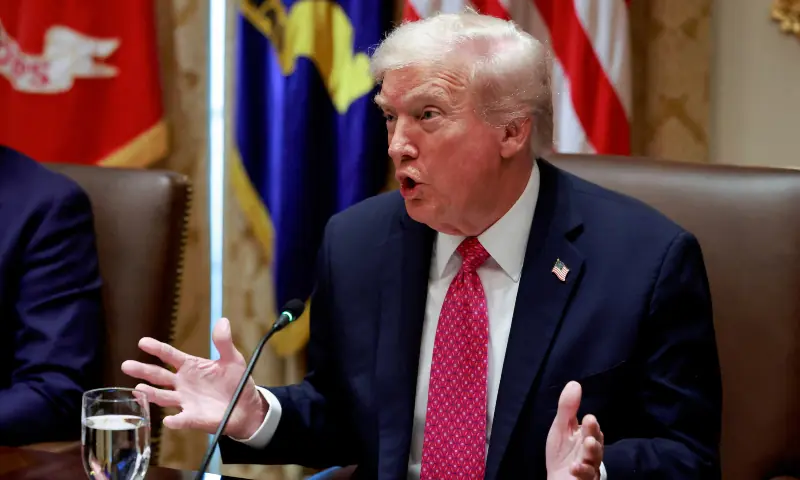
This move comes after months of attempts by the Trump administration to negotiate a peaceful resolution with President Putin. According to Bessent, Putin has not engaged in negotiations “in an honest and forthright manner,” leading to disappointment within the administration and the ultimate decision to impose these stringent economic measures. President Trump recently cancelled planned talks with Putin in Budapest,deeming a meeting premature and possibly unproductive.
Ukraine Welcomes Increased Pressure
Ukraine’s Ambassador to the United States, Olga Stefanishyna, lauded the sanctions as a crucial step toward achieving peace. She emphasized that lasting peace can only be secured through strength and maximum pressure on the aggressor, utilizing all available international tools.
EU Follows Suit with Expanded Measures
The European union is also bolstering its sanctions regime against Russia, demonstrating a united front with the US. Key components of the new EU package include:
* LNG Import Ban: The ban on importing russian liquefied natural gas (LNG) has been accelerated, now taking effect at the start of 2027 – a year earlier than previously planned.
* “Shadow Fleet” Targeting: Over 100 tankers belonging to Moscow’s “shadow fleet” – a network of aging oil vessels used to circumvent existing sanctions – have been blacklisted.
* Diplomatic controls: Increased scrutiny and travel restrictions will be imposed on Russian diplomats suspected of espionage.
The EU package is slated for formal adoption on Thursday, coinciding with a summit in Brussels where Ukrainian President Volodymyr Zelensky will meet with EU leaders.
Ukraine bolsters Defenses
Amidst the escalating conflict, Ukraine is actively strengthening its defense capabilities. President Zelensky recently signed a letter of intent with sweden to acquire 150 Gripen fighter jets, a notable boost to Ukraine’s air force.
The latest russian strikes, which included drone attacks and explosions in Kyiv, underscore the continued threat facing the country. Residents like Mariana Gorchenko described the harrowing experience of the attacks, highlighting the fear and disruption caused by the ongoing violence. A kindergarten in Kharkiv was also damaged during the strikes.
Looking Ahead
The imposition of these new sanctions represents a clear signal of resolve from the US and EU. While the Kremlin has indicated a willingness to continue dialog, the effectiveness of these measures in altering Putin’s course remains to be seen. The situation remains fluid, and continued international pressure, coupled with robust support for Ukraine, will be critical in shaping the future of the conflict.
resources:
* Russian strikes kill six, disrupt power across Ukraine
* Preparations for Trump-Putin summit still ongoing: Kremlin
Disclaimer: This article provides facts based on publicly available sources as of [Date]. The situation is constantly evolving, and developments may occur after publication.
- Legal Classification of Shared Property: Maintenance and Costs
- Chrome Sparks Announces New Album ‘Ball of Light,’ Shares Single Featuring Khalid and Jónsi
- The Senate Blue Slip, Explained: The Custom Trump Wants Gone (daybreakwire.com)
- Europe Wildfires: Latest Updates and Impact Across France, Greece, and Spain (archynewsy.com)