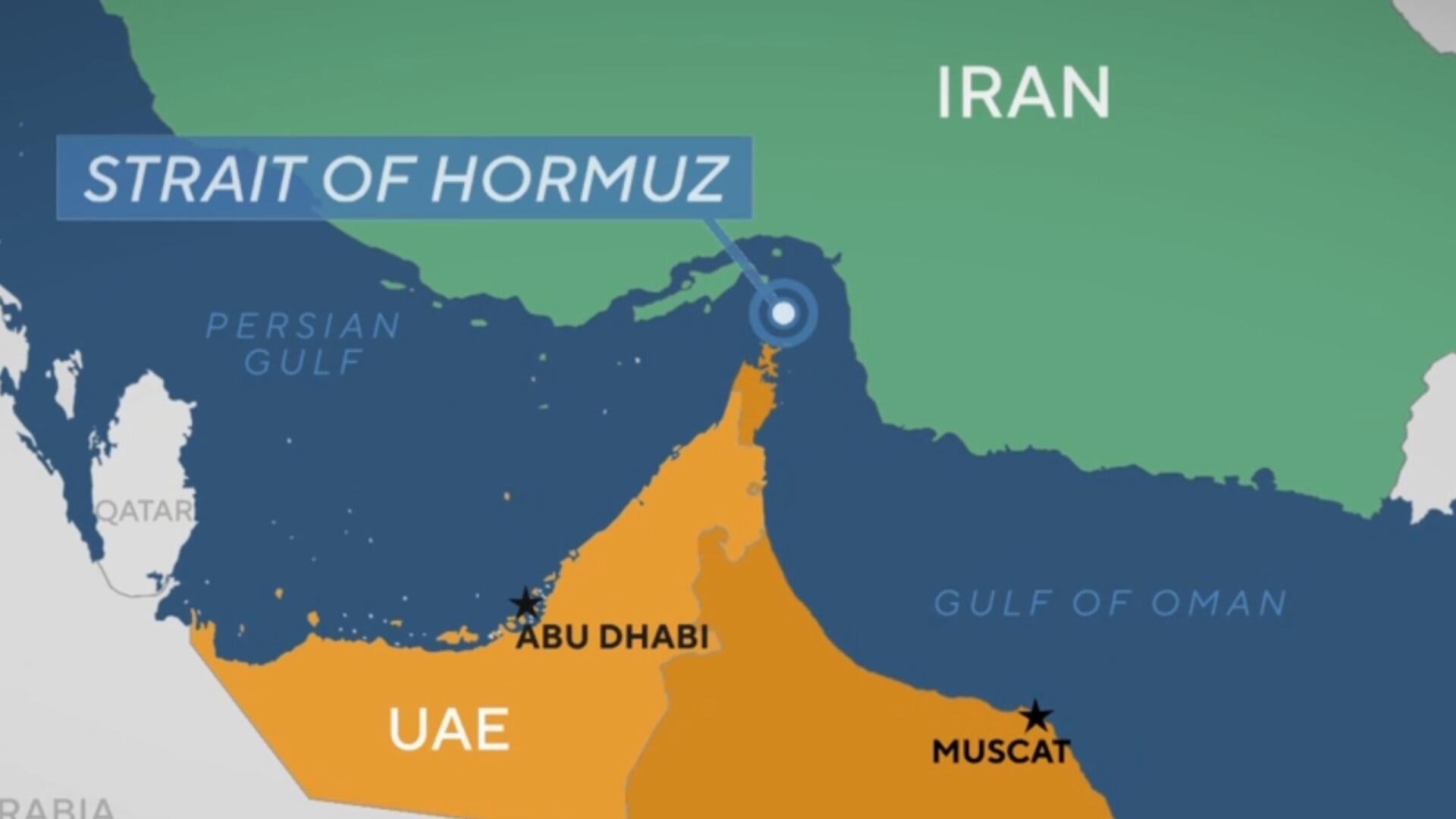
Iran’s efforts to clear mines from the Strait of Hormuz could take up to six months, according to assessments by regional maritime authorities and international naval experts monitoring the ongoing de-escalation process in the Gulf. The timeline reflects the scale of unexploded ordnance left behind during recent hostilities, including naval mines deployed by both state and non-state actors in one of the world’s most critical chokepoints for global energy shipments.
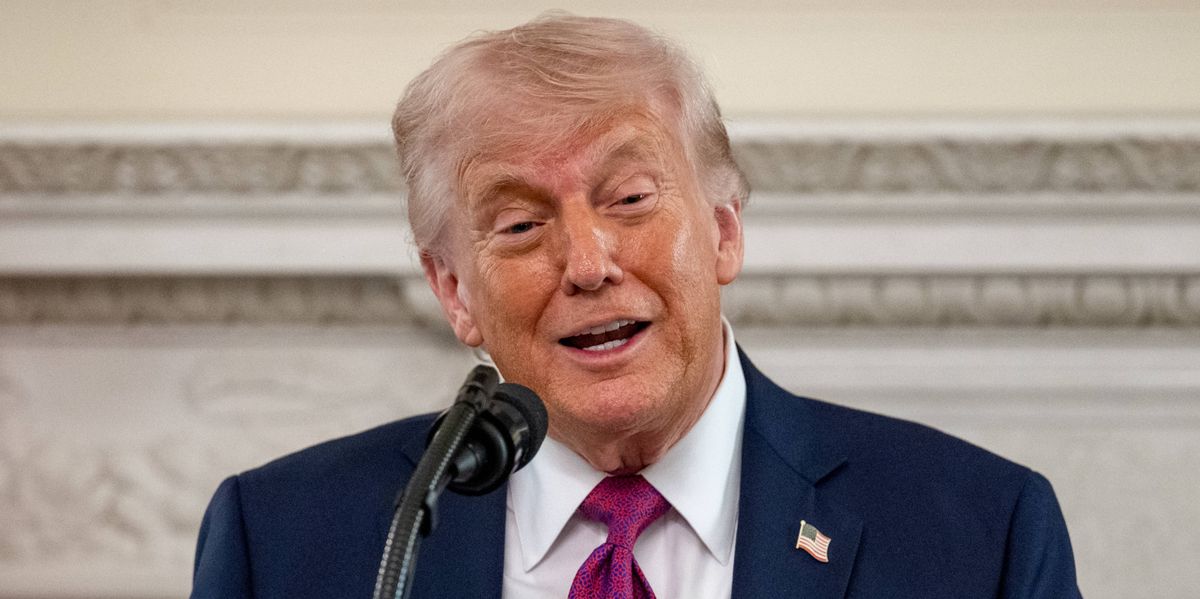
As of April 23, 2026, the United States maintains a naval blockade of Iranian ports despite Iran’s announcement that it has agreed to reopen the Strait of Hormuz for commercial traffic. U.S. Central Command continues to enforce restrictions on vessels entering or leaving Iranian territorial waters, a policy affirmed by President Donald Trump who stated the blockade would remain “as it pertains to Iran, only” pending the completion of a final political deal. This dual-track approach — allowing limited maritime transit through the strait even as sustaining pressure on Iranian port access — has created a complex operational environment for demining teams.
The strait, which sees approximately 20% of the world’s oil supply pass through its waters, remains under close surveillance by multinational naval forces including the USS Abraham Lincoln carrier strike group, which has been conducting blockade operations in the Arabian Sea since mid-April. Minesweeping vessels from allied nations are reportedly operating under strict rules of engagement, prioritizing safety over speed as they navigate areas where both contact and influence mines may have been laid during the height of tensions in March and early April 2026.
Technical Challenges Complicate Mine Clearance Operations
Demining the Strait of Hormuz presents unique technical difficulties due to the waterway’s narrow width — averaging just 21 nautical miles between Iran and Oman — combined with strong tidal currents and heavy commercial traffic. Experts note that legacy mines from past conflicts, potentially including Iranian-made Moored Contact Mines (MCM) and influence-triggered variants, may still be active on the seabed, requiring specialized remotely operated vehicles (ROVs) and magnetic signature detectors for safe neutralization.
According to naval logistics analysts cited in regional defense assessments, the process involves multiple phases: initial sonar sweeps to identify potential threats, followed by ROV inspection and either controlled detonation or tow-to-deep-water procedures for safe disposal. Each phase must account for the risk of secondary explosions and environmental contamination, particularly in sensitive marine zones near the Musandam Peninsula where coral ecosystems are already under stress from increased vessel activity.
No official casualty figures have been released regarding mine-related incidents during the current clearance phase, but maritime insurance providers have reported elevated war risk premiums for vessels transiting the Gulf of Oman, reflecting ongoing concerns about residual threats. The International Maritime Organization has urged all parties to share minefield maps and coordinate through the Regional Maritime Security Centre (RMSC) based in Bahrain to prevent accidental detonations during commercial operations.
Diplomatic Stalemate Persists Despite Tactical De-escalation
While Iran’s decision to allow limited reopening of the strait has been welcomed by global energy markets — contributing to a measurable drop in Brent crude prices following the announcement — diplomatic negotiations between Tehran and Washington remain stalled. President Trump has repeatedly emphasized that he has “all the time needed” to achieve a comprehensive agreement addressing Iran’s nuclear program, regional influence, and maritime conduct, but has ruled out any immediate concessions on sanctions relief or the withdrawal of naval forces from the Arabian Sea.
The USS George H.W. Bush carrier strike group, currently operating off the coast of Namibia as it transits around Africa, is expected to join U.S. Naval forces in the Arabian Sea within the coming weeks to reinforce the blockade posture. This deployment underscores the administration’s commitment to maintaining military pressure even as tactical humanitarian and commercial corridors are negotiated. Analysts at the Atlantic Council note that while the strait may be “open” in name, the continued blockade of Iranian ports effectively limits Iran’s ability to export oil and import essential goods, sustaining economic pressure as a lever in talks.
Explosions reported in Tehran during mid-April 2026, which Iranian authorities attributed to internal security operations targeting sabotage networks, have not been independently verified as linked to the strait demining effort. However, they have contributed to an atmosphere of mutual distrust that complicates confidence-building measures, including potential agreements on joint mine clearance observation or hotline communications between naval commands.
Humanitarian and Economic Impacts Under Close Watch
The prolonged uncertainty surrounding strait access and port blockades continues to affect regional economies heavily dependent on maritime trade. Oman, which relies on the strait for both imports and re-export logistics, has seen fluctuating port activity as shipping companies adjust routes and schedules based on daily clearance advisories. Similarly, the United Arab Emirates has reported increased demand for alternative overland transport corridors to bypass perceived risks in the Gulf, though capacity remains limited.
Humanitarian organizations have raised concerns about the indirect effects of sustained port restrictions on Iran’s ability to import medical supplies and foodstuffs, particularly given the country’s ongoing economic challenges exacerbated by years of sanctions. While no formal blockade of humanitarian goods has been declared, practical delays in customs clearance and insurance coverage have led to reported shortages in certain border provinces, according to regional NGO assessments reviewed by international monitors.
Environmental groups are also monitoring the demining process for potential ecological damage from controlled detonations or improper disposal of explosive materials. The Regional Organization for the Protection of the Marine Environment (ROPME) has called for mandatory environmental impact assessments before any large-scale seabed operations resume, emphasizing the strait’s role as a breeding ground for several fish species critical to regional fisheries.
Path Forward Depends on Verified, Coordinated Action
Moving forward, the success of mine clearance operations will depend on sustained coordination between Iranian naval authorities, international minesweeping units, and oversight bodies such as the United Nations Office for Disarmament Affairs (UNODA). Experts stress that transparency — including the sharing of minefield coordinates, types of ordnance encountered, and progress reports — is essential to rebuilding trust and ensuring the safety of commercial mariners.
As of this writing, no definitive end date has been established for the demining mission, with officials from multiple navies indicating that timelines remain contingent on weather conditions, threat assessment updates, and the political willingness to de-escalate further. The next key development to watch is whether the U.S. And Iran will agree to a temporary suspension of port restrictions in exchange for verified progress on mine clearance — a measure that could serve as a confidence-building step toward broader negotiations.
For real-time updates on maritime security conditions in the Strait of Hormuz, readers are encouraged to consult official advisories from the United Kingdom Maritime Trade Operations (UKMTO) and the Maritime Security Centre – Horn of Africa (MSCHOA), which publish daily transit warnings and incident reports. The International Chamber of Shipping also maintains a live incident map tracking mine-related alerts and naval activity in the region.
Stay informed, share insights, and join the conversation below. What steps do you believe are most critical to ensuring safe and sustainable passage through the Strait of Hormuz in the months ahead?
Worth a look