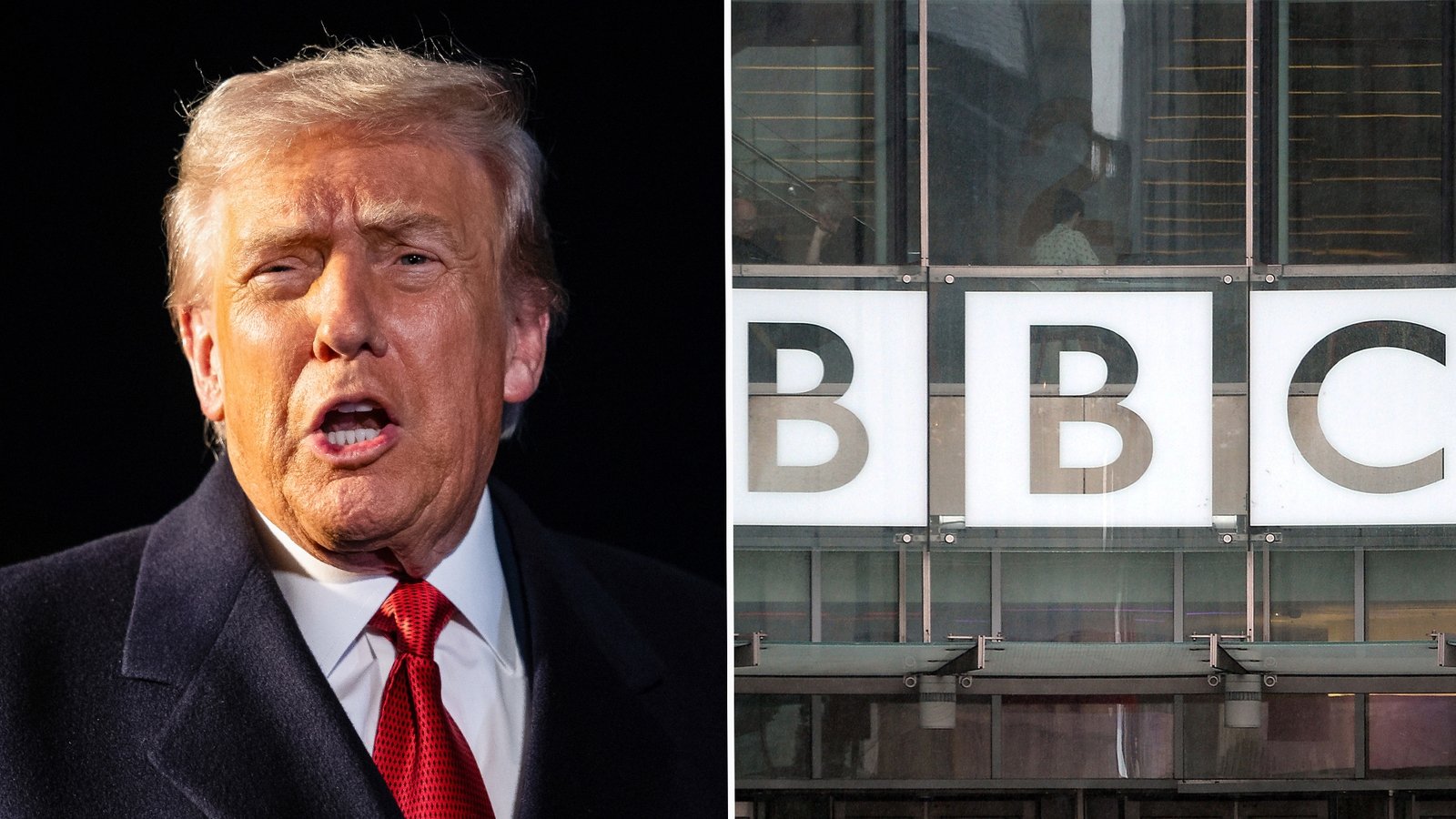
Trump Sues BBC for $10 Billion Over Edited Capitol Riot Speech: A Deep Dive
Teh legal battle between former US President Donald Trump and the British Broadcasting Corporation (BBC) has escalated dramatically.Trump has filed a lawsuit seeking at least $10 billion (€8.5 billion) in damages, alleging defamation and unfair trade practices stemming from a “Panorama” documentary that edited footage of his January 6, 2021, speech. This isn’t simply a dispute over journalistic integrity; it’s a high-stakes case with implications for media accountability, political discourse, and the use of potentially misleading editing techniques.
This article provides a complete analysis of the lawsuit, the controversy surrounding the edited footage, the fallout within the BBC, and the broader context of Trump’s legal battles with media organizations.
The Core of the Dispute: What Was Edited and Why It Matters
The lawsuit centers on a segment within the BBC’s “Panorama” program that aired before the 2024 election. The documentary spliced together two distinct portions of Trump’s speech delivered on January 6th, 2021 – the day of the US Capitol riot. Critically, the editing created the impression that Trump explicitly encouraged his supporters to attack the Capitol building while lawmakers where certifying Joe Biden’s 2020 election victory.
Trump alleges the BBC intentionally manipulated his words to damage his reputation and interfere with the 2024 presidential election. He has even suggested the use of artificial intelligence (AI) in the editing process, though this claim remains unsubstantiated. The crux of the matter isn’t simply that the speech was edited, but how it was edited and the resulting implication of direct incitement.
According to Trump’s legal team, the BBC has a “long pattern of deceiving its audience” in its coverage of him, driven by a “leftist political agenda.” This accusation underscores the highly polarized surroundings surrounding Trump and the media, where perceptions of bias are often deeply entrenched.
The BBC’s Response and Internal Turmoil
The BBC initially defended its editing choices, but the controversy reignited last month following a report in the media highlighting the manipulated clip. This led to notable internal upheaval within the organization.Both the BBC’s Director-General, tim Davie, and its top news executive, Fran Unsworth, resigned in the wake of the scandal.
BBC Chairman Samir Shah has as issued a letter of apology to Trump, acknowledging the editing error. He also admitted to a UK parliamentary committee that the broadcaster should have acted more swiftly to address the mistake after it was initially flagged in an internal memo leaked to The Daily telegraph. This admission of delayed response further fueled criticism of the BBC’s handling of the situation.
While the BBC denies legal defamation, the resignations and apology signal a recognition of the seriousness of the error and the damage it caused to the organization’s reputation.
Legal Precedent and Potential Outcomes
Trump has a history of pursuing legal action against media outlets.Several past cases have resulted in multi-million-dollar settlements, demonstrating his willingness to aggressively defend his public image. Though, defamation lawsuits, particularly those brought by public figures, are notoriously difficult to win.
In the US, public figures must prove “actual malice” – meaning the media outlet knowingly published false information with reckless disregard for the truth. Establishing this level of intent will be a significant hurdle for Trump’s legal team. Furthermore, the BBC, as a foreign broadcaster, may present jurisdictional challenges.
The $10 billion claim is substantial and likely intended to send a strong message. A settlement, rather than a full trial, remains a possibility. The outcome of this case could set a precedent for how media organizations handle potentially sensitive footage of political figures and the extent to which they can be held liable for editing choices.
Recent Statistics & Research: A 2023 report by the Poynter Institute found that trust in media continues to decline, with a significant portion of the public believing news organizations are biased. https://www.poynter.org/fact-checking/2023/trust-in-media-continues-to-decline-report-finds/ This context underscores the sensitivity surrounding accusations of media manipulation.
Beyond the Headlines: The Broader Implications
This case extends beyond a legal dispute between Trump and the BBC. It raises critical questions about:
* The Obligation of Journalism: What are the ethical
Worth a look