
The diplomatic relationship between the United States and Cuba remains a focal point of intense political scrutiny, as recent rhetoric from Washington suggests a potential shift toward more assertive interventionist policies. As the administration navigates complex regional dynamics, the possibility of a peaceful resolution to ongoing tensions has been characterized by some officials as increasingly unlikely, raising questions about the future of U.S. Foreign policy in the Caribbean.
Recent comments from U.S. Leadership regarding Cuba have sparked broad discourse among foreign policy experts. While the administration has signaled a willingness to engage in direct action, the practical implications of such a stance remain subject to ongoing assessment by international observers and policymakers alike. The situation highlights the delicate balance the U.S. Must maintain when addressing long-standing geopolitical challenges in its own hemisphere.
Evaluating the Prospects for Diplomatic Engagement
The dialogue surrounding U.S.-Cuba relations has been heavily influenced by the perspectives of key political figures, including Senator Marco Rubio. Rubio, who has long maintained a critical stance toward the current government in Havana, has publicly expressed skepticism regarding the viability of a peaceful deal. This assessment reflects a broader consensus within certain segments of the U.S. Government that the current political climate in Cuba does not favor traditional diplomatic breakthroughs.
For many analysts, the core of the issue lies in the fundamental ideological divide that has defined the relationship for decades. The United States continues to utilize a combination of economic sanctions and diplomatic pressure as primary tools of influence. According to the U.S. Department of State, these policies are designed to support the Cuban people in their pursuit of democratic governance and fundamental human rights, though the efficacy of these measures remains a subject of intense debate in both domestic and international arenas.
Regional Implications and Strategic Considerations
The potential for increased U.S. Involvement in Cuba is not merely a bilateral concern; it carries significant weight for regional stability. The Caribbean basin remains a complex environment where U.S. Interests often intersect with the influence of other global powers. Any shift in American policy, particularly one involving direct intervention, would likely necessitate a recalibration of strategic alliances across Latin America.
the humanitarian dimension of the U.S.-Cuba relationship cannot be overlooked. The movement of people, the impact of economic conditions on the local population, and the role of the Cuban diaspora in shaping U.S. Policy are all critical variables. As noted by the Council on Foreign Relations, the evolution of these policies directly affects the livelihoods of thousands of individuals and the stability of regional migration patterns.
Key Challenges in the Current Policy Framework
- Economic Sanctions: The ongoing enforcement of trade restrictions continues to be a central pillar of U.S. Strategy, impacting both the Cuban state sector and independent enterprise.
- Human Rights Concerns: Persistent reports regarding political freedoms and the treatment of dissidents remain major hurdles to any meaningful normalization of ties.
- Diplomatic Communication: The reduction of diplomatic staff and the closing of certain consular services have limited the channels through which both nations might address grievances or negotiate potential concessions.
The Path Forward: What Happens Next?
As the administration continues to weigh its options, the international community is looking toward upcoming sessions of the United Nations General Assembly and regional summits for signs of a policy shift. There is currently no formal, scheduled bilateral negotiation process in place to address the deepening tensions. Observers suggest that any movement toward a peaceful resolution would likely require significant, verifiable changes in policy from the Cuban government, alongside a willingness in Washington to engage in a structured, long-term diplomatic roadmap.
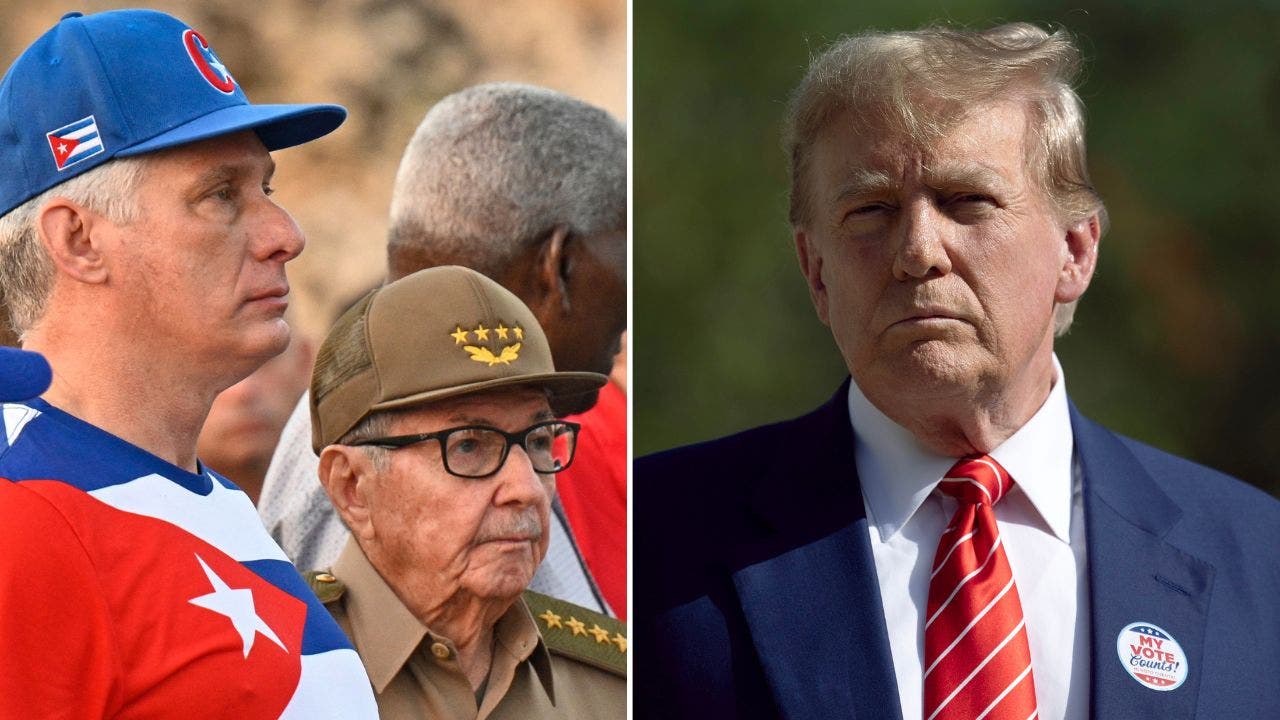
For those tracking these developments, the U.S. Department of State provides ongoing updates on travel advisories and policy changes regarding Cuba via its official Travel Information portal. While the situation remains fluid, the commitment of both nations to their respective ideological positions suggests that a rapid change in the status quo is improbable. We will continue to monitor official government releases and legislative hearings for further developments on this critical foreign policy issue.
What do you think is the most effective way for the U.S. To approach its relationship with Cuba? Share your thoughts in the comments section below or join the conversation on our social media channels.
- Toulouse 28-20 Montpellier: Ange Capuozzo Reacts After Top 14 Title Win
- NYC City-Owned Grocery Stores ID Requirement Controversy: Fact Check and Backlash
- Trump’s Former Lawyer Clears Key Hurdle for Attorney General Role (world-today-news.com)
- Dow Jumps 1,000 Points as Bessent Hints at Potential Iran Shipping Deal (time.news)